
West Bank Settler Violence Escalates Threatening Agricultural Stability and Regional Diplomacy
Escalating settler attacks on Palestinian farmers during the West Bank olive harvest have injured several individuals, raising broader international concerns over regional stability and agricultural supply security.
Geopolitical & Core Developments
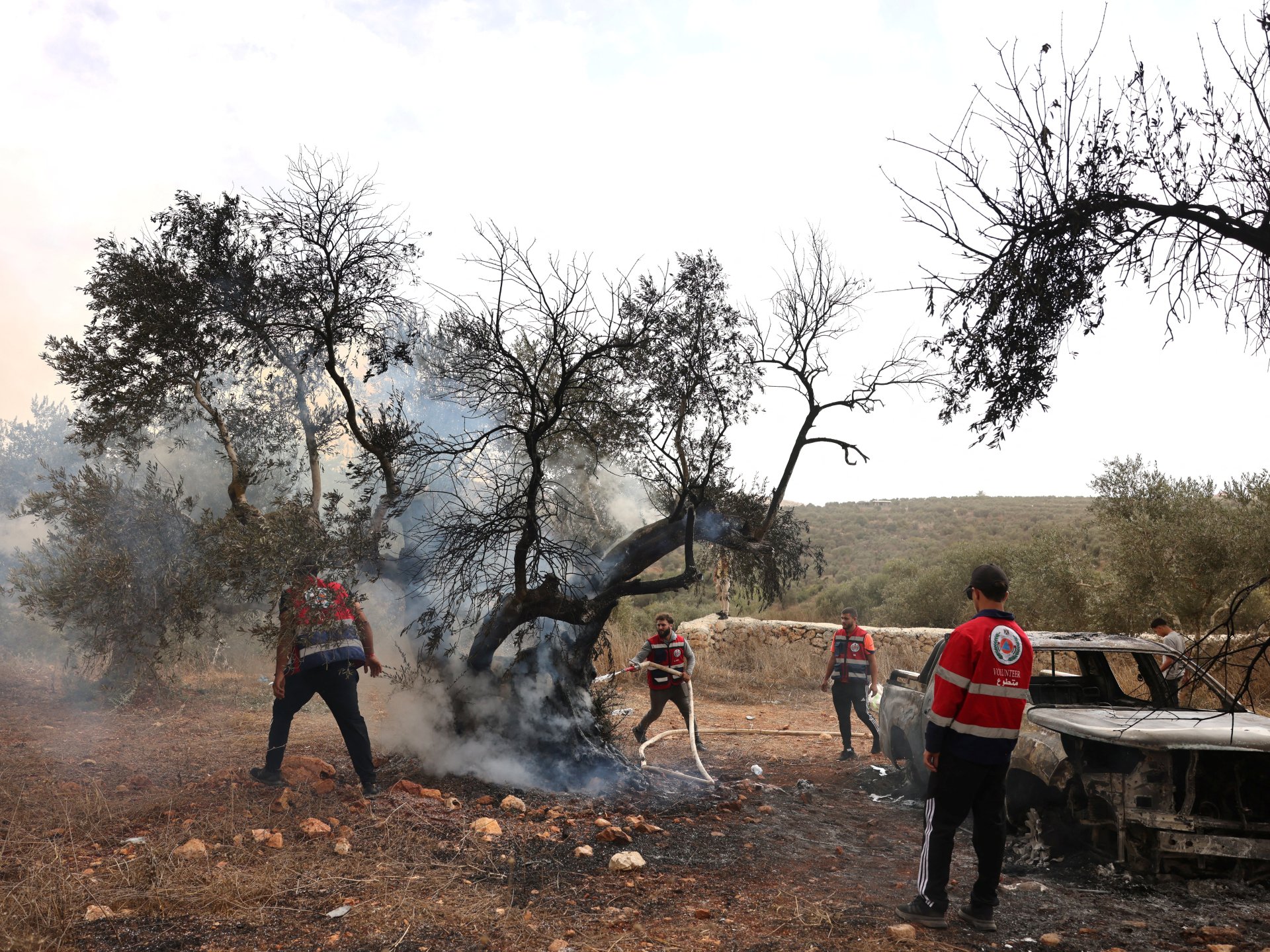
Tensions across the occupied West Bank have reached critical levels as coordinated attacks by Israeli settlers targeted Palestinian farmers during the annual autumn olive harvest. Armed with clubs and firearms, groups of settlers entered agricultural lands, leading to clashes that injured several individuals, including an accredited foreign correspondent from the Washington Post. The incident reflects a persistent pattern of seasonal violence designed to obstruct local agricultural activities and dispossess rural populations of their economic livelihoods.
The olive harvest represents the cornerstone of the Palestinian rural economy, mobilizing thousands of families and contributing substantially to domestic agrarian output. Observers on the ground, alongside humanitarian monitors, report that settler incursions have expanded in both frequency and lethality over recent months, often operating with minimal deterrence from local military and law enforcement authorities. The timing of these assaults exacerbates existing friction points across the region, where diplomatic avenues remain constrained by protracted hostilities in Gaza and elevated border frictions across the Levant.
Global Trade & Economic Ripples
While the direct physical footprint of the West Bank agrarian sector is largely localized, the systemic destabilization of regional stability carries notable economic ramifications for broader Middle Eastern logistics and resource allocation. The destruction of olive groves and the interruption of harvest cycles directly suppress Palestinian export capacities for olive oil, specialty agricultural produce, and related consumer derivatives destined for regional Arab and European diaspora markets.
More critically, persistent volatility across the Levant increases the risk premium across eastern Mediterranean shipping routes and land transport corridors. Global freight operators continue to adjust transit pricing based on regional sovereign risk, impacting insurance premiums for commercial traffic moving adjacent to key Middle Eastern hubs. The sustained erosion of the domestic Palestinian tax and economic base also heightens reliance on direct international budgetary support, placing added structural pressure on multilateral donor institutions and foreign aid packages.
Related Intelligence: West Bank Olive Harvest Violence Escalates Tensions and Rural Disruption
International Reactions & Diplomatic Stances
The targeted aggression against agricultural workers and foreign press has triggered immediate condemnation from multilateral bodies and Western foreign ministries. United Nations officials reiterated that the systematic denial of access to land and violence directed at civilian populations violates international humanitarian law, calling upon the governing authorities to ensure accountability and protect agricultural lands.
Diplomatic missions from Washington, London, and the European Union have raised formal concerns regarding settler impunity. Several European nations, alongside the United States, have indicated that continuing unchecked violence could prompt expanded rounds of targeted financial sanctions, asset freezes, and travel restrictions against extremist individuals and affiliated settlement organizations. Despite these diplomatic interventions, regional analysts emphasize that rhetorical rebukes have thus far done little to alter operational realities on the ground.
Strategic Outlook & Future Scenarios
Looking ahead, the operational environment in the West Bank is expected to remain highly volatile throughout the duration of the harvest window. Should settler incursions continue unchecked, the likelihood of localized counter-mobilization remains high, threatening to trigger broader civil unrest across urban centers and secondary trade routes within the territory.
On the diplomatic front, the issue of non-state violence in the West Bank is slated to feature prominently in upcoming bilateral consultations between Western capitals and Israeli leadership. Escalating violence may further accelerate efforts within international legal forums to scrutinize territorial management and state responsibility. For regional commercial operators and supply chain analysts, the ongoing volatility underscores the structural instability inherent in Middle Eastern logistics, necessitating sustained monitoring of political risk profiles and cross-border commercial fluidity.
Join Our Official WhatsApp Channel
Receive live commodity alerts, policy changes, and commercial intelligence directly on WhatsApp.