
French School Shutdowns Spark Wider Economic and Trade Anxiety
Widespread closures of French high schools due to student protests over deteriorating infrastructure highlight broader governance challenges with potential ripples across European commercial stability.
The Core Development
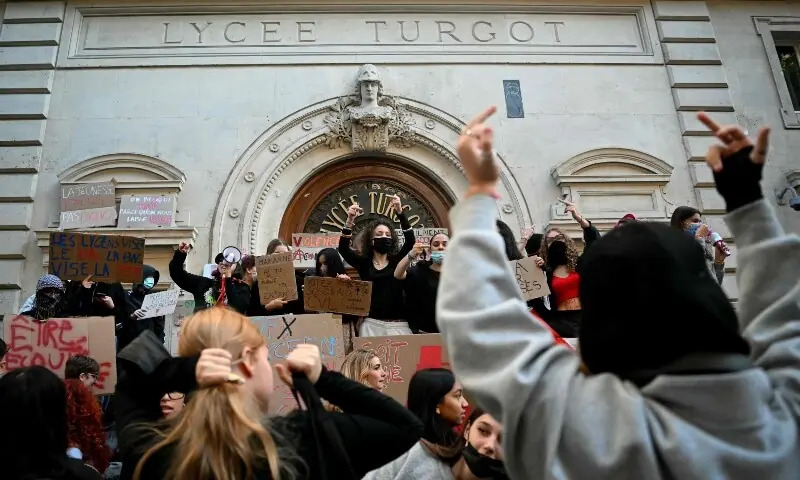
Lessons were suspended at hundreds of French high schools on Monday, marking a sharp escalation in a wave of student protests over learning conditions that have continuously rocked the European nation since late September. Pupils have systematically barred entrances to educational institutions, voicing severe grievances regarding chronic teacher absences, overloaded timetables, dilapidated classrooms, and outdated buildings ill-adapted to rising summer temperatures.
Education Minister Edouard Geffray confirmed late Sunday that up to 500 out of France's 3,700 high schools, known locally as lycees, were expected to experience partial or total closures. While students trickled into select institutions past picket lines, anticipation mounted for larger, coordinated nationwide demonstrations scheduled for Tuesday. The French government has attempted to address core infrastructure concerns through administrative dialogue while concurrently accusing hard-left political activists of hijacking the grassroots student movement to stoke broader social unrest.
Commercial & Economic Implications
For enterprise networks and trading houses like Kalyar Traders operating across international corridors, domestic instability within the Eurozone's second-largest economy carries direct macroeconomic implications. Persistent civil disruptions in France threaten productivity, consumer sentiment, and logistical efficiency across major metropolitan hubs. Retail trade, wholesale distribution networks, and local consumer spending patterns frequently experience temporary contractions during widespread civil friction.
Furthermore, prolonged administrative gridlock and political friction over public spending priorities—such as educational infrastructure investments versus national fiscal tightening—can influence Eurozone monetary stability. Any devaluation of consumer confidence in Western Europe ultimately dampens import demand for emerging market commodities and manufactured goods, indirectly affecting trade balances, foreign exchange volatility, and supply chain predictability for Pakistani exporters dealing with European counterparts.
Related Intelligence: Karachi Factory Blaze Exposes Industrial Safety Deficits and Supply Chain Risks
Stakeholder Perspectives & Market Reactions
Student unions and teacher associations remain locked in a contentious public debate with central government authorities. While labor representatives argue that decades of underfunding have left public education crumbling, government spokespersons maintain that significant capital allocations are already underway to modernize public facilities.
Market analysts and commercial chambers in Paris have expressed growing concern over the compounding frequency of social disruptions. Business federations emphasize that repeated strikes and student blockades disrupt urban commerce, strain municipal transport networks, and project an image of regulatory instability. Legal experts note that while the right to protest is constitutionally protected in France, mounting economic damages may prompt tighter judicial oversight regarding blockade tactics at public institutions.
Forward Outlook & Key Watchpoints
As France braces for the next wave of demonstrations, key stakeholders are closely monitoring government concessions and legislative responses. The ability of the Ministry of Education to negotiate concrete timetables for infrastructural upgrades will determine whether tensions de-escalate ahead of the winter academic term.
For international observers and corporate strategists at Kalyar Traders, critical watchpoints include fiscal policy adjustments by the French treasury, potential inflationary pressures arising from public sector expenditure shifts, and overall Eurozone economic resilience. Sustained social unrest could force European policymakers to reallocate capital away from growth initiatives, altering long-term trade dynamics across the continent.
Join Our Official WhatsApp Channel
Receive live commodity alerts, policy changes, and commercial intelligence directly on WhatsApp.