
State-Backed Football Capital Flows Expose Sovereign Investment Paradigms
Investigations into Manchester City's capital injections contrast sharply with Manchester United's extraction-heavy ownership model, illuminating broader tensions in global sovereign investment and sports governance.
Geopolitical & Core Developments
The recent regulatory findings against Manchester City's ownership structure have opened a wider window into the mechanics of modern transnational capital deployment. For over a decade, elite European football has transformed from a domestic sporting pastime into an arena for sovereign wealth projection and high-stakes financial diplomacy. The adjudication regarding substantial capital injections orchestrated by state-backed entities underscores a fundamental tension in global commerce: the friction between domestic market regulations and the immense liquidity of transnational sovereign funds.
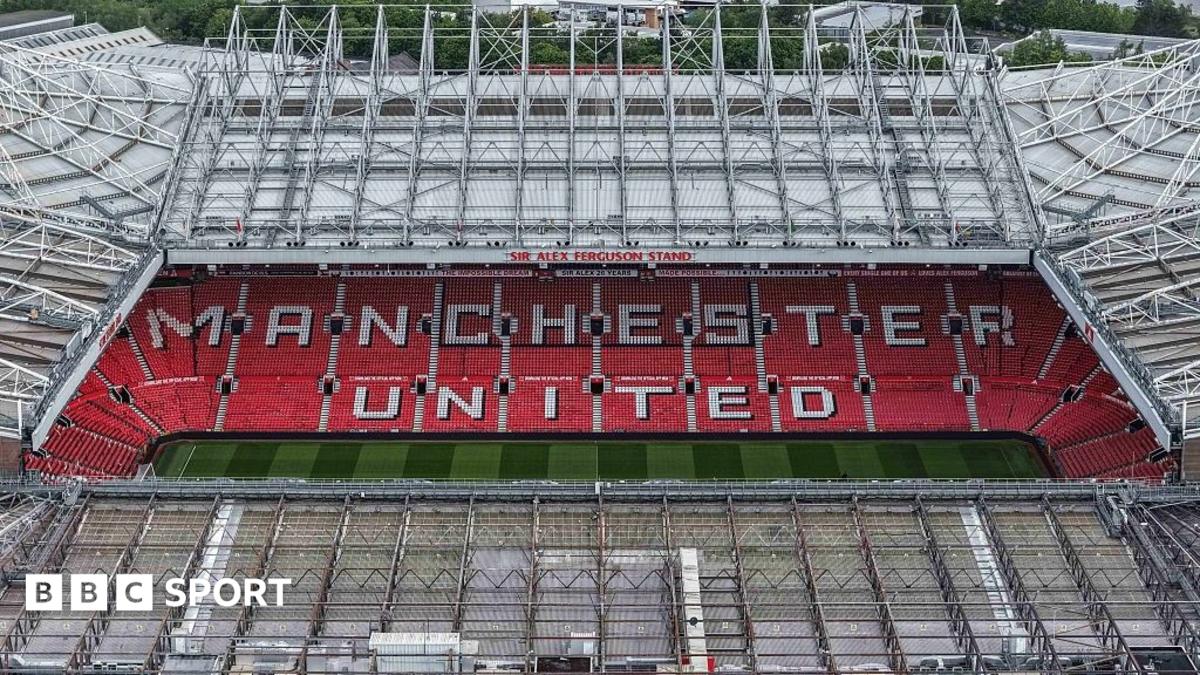
Simultaneously, the contrasting financial architecture at Manchester United—characterized by leveraged buyouts, debt-servicing burdens, and substantial capital extraction by private ownership—presents a parallel narrative of corporate governance challenges. While Manchester City symbolizes the infusion of state-backed capital designed to build infrastructural and soft-power hegemony, Manchester United exemplifies the traditional Anglo-American corporate model where capital is systematically drained to service acquisition debt and shareholder dividends. This dichotomy between state-subsidized expansion and leveraged financial extraction encapsulates the broader evolution of global asset management in the post-pandemic era, where institutions increasingly utilize high-profile cultural assets as proxies for broader economic influence.
Global Trade & Economic Ripples
Beyond the pitch, the structural financial models governing elite sporting institutions exert discernible ripples across global commercial markets, advertising conglomerates, and high-value supply chains. Elite football clubs operate as decentralized multinational corporations, procuring goods, technological infrastructure, and talent across porous international borders. When regulatory bodies clamp down on state-sponsored capital infusions or scrutinize related-party transactions, the effects reverberate through international sponsorship markets, premium broadcasting rights, and global merchandising supply networks.
Furthermore, the valuation metrics of premier league franchises heavily influence international investor sentiment regarding prime Western leisure and entertainment assets. The heavy debt burdens carried by clubs utilizing extraction-heavy financial models reflect broader vulnerabilities in corporate debt markets, where high interest rate environments strain enterprises reliant on aggressive leverage. Conversely, state-backed entities insulated from immediate debt servicing pressures can distort traditional market valuations, compelling regulatory authorities in the European Union and the United Kingdom to re-evaluate the legal boundaries governing foreign direct investment in domestic cultural assets.
Related Intelligence: Libyan Educational Crisis Threatens National Stability and Energy Supply Chains
International Reactions & Diplomatic Stances
Financial analysts, regulatory watchdogs, and international trade lawyers have increasingly trained their sights on the intersection of sovereign wealth and European club football. Multilateral bodies and national competition authorities are grappling with the systemic implications of capital flows that bypass traditional commercial banking channels. Market analysts note that these structural disparities risk creating unlevel playing fields not only in athletic competition but in the broader commercial marketplace where these clubs operate as dominant multinational brands.
Government officials in Western capitals face mounting political pressure to balance the inflow of lucrative foreign direct investment with the imperatives of domestic financial fair play, transparency, and anti-money laundering compliance. While sovereign investors view football acquisitions as strategic assets for economic diversification and international diplomacy, domestic fan bases and legislative bodies are increasingly vocal about safeguarding the long-term viability and governance integrity of foundational cultural institutions.
Strategic Outlook & Future Scenarios
As regulatory frameworks tighten across Western Europe, the operational landscape for state-backed sports ownership is poised for rigorous legislative transformation. Upcoming policy summits focusing on cross-border financial transparency and sports governance are expected to introduce stringent compliance mandates, potentially restricting the velocity and scale of unmonitored capital injections. Conversely, clubs dependent on leveraged financial structures will likely face mounting pressure from institutional investors and stakeholder groups demanding sustainable capitalization strategies.
The trajectory of elite club finances will ultimately serve as a regulatory bellwether for international trade and investment policy. How governments and sports regulators adjudicate the balance between sovereign capital influx and sustainable corporate governance will establish crucial precedents for foreign ownership across other strategic commercial sectors globally.
Join Our Official WhatsApp Channel
Receive live commodity alerts, policy changes, and commercial intelligence directly on WhatsApp.