
US-China Trade Truce Extension Masks Deepening Structural Rivalry
The recent extension of the US-China trade truce provides temporary relief to global markets, yet masks enduring strategic distrust between the two superpowers.
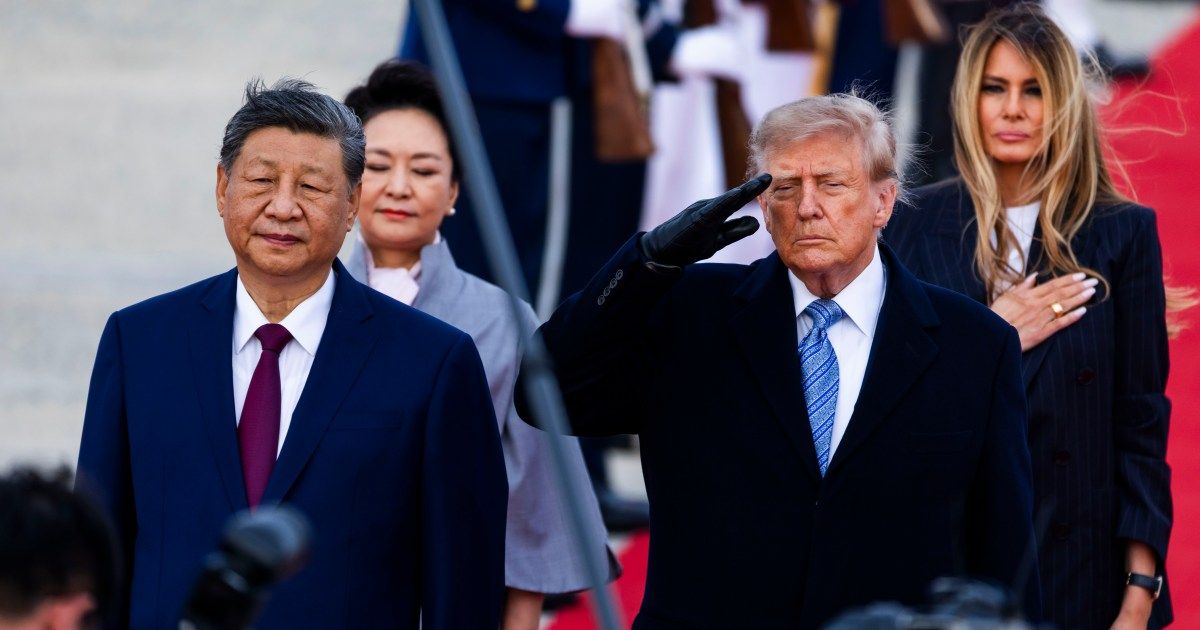
Geopolitical & Core Developments
The decision by Washington and Beijing to prolong their fragile trade truce has exposed deep fissures regarding the true trajectory of bilateral relations. While diplomatic channels remain open, avoiding an immediate escalation of punitive tariffs, the underlying strategic competition continues unabated. State actors in both capitals view the extension through divergent lenses: Washington frames the measure as a pragmatic containment strategy, whereas Beijing interprets it as necessary breathing room to stabilize domestic economic momentum amid property sector headwinds and sluggish consumer demand. Diplomatic engagements over the past quarter have focused intensely on securing supply chain resilience, yet foundational disagreements over technology transfer, intellectual property protection, and semiconductor export controls remain entirely unresolved. This tactical pause in trade hostilities does not represent a strategic realignment; rather, it is a calculated holding pattern designed by both superpowers to manage systemic economic risks while continuing their broader technological decoupling.
[Global Trade](/news/trump-invites-putin-miami-g20-geopolitical-economic-impact) & Economic Ripples
International commodity markets and global supply chains have reacted to the truce extension with cautious relief, though underlying anxieties persist across major shipping lanes. The continued stability of critical industrial inputs, including rare earths, agricultural products, and energy commodities, hinges directly on the regulatory stability between the world's two largest economies. Multilateral shipping conglomerates and freight forwarders report that while immediate port congestion has eased, long-term procurement planning remains paralyzed by policy unpredictability. Currency markets have exhibited muted volatility, reflecting the realization that temporary tariff freezes do not eliminate systemic structural risks. Furthermore, global manufacturers continue to accelerate "China-plus-one" diversification strategies, shifting production hubs to Southeast Asia and Latin America to hedge against the constant threat of sudden tariff reinstatements or retaliatory export restrictions on vital technological components.
Related Intelligence: US-China Trade Truce Extension Masks Deepening Structural Realities
International Reactions & Diplomatic Stances
Multilateral institutions and international trade organizations have welcomed the diplomatic extension while urging both economic powerhouses to pursue comprehensive, rule-based settlements. Representatives from the World Trade Organization emphasized that bilateral truces, while helpful for short-term market confidence, cannot substitute for transparent, multilateral trade frameworks. European Union trade officials expressed guarded optimism, noting that prolonged US-China instability continues to distort global trade flows and redirect export volumes toward European markets. Meanwhile, prominent market analysts remain sharply divided; bullish forecasters argue that sustained high-level dialogue paves the way for a more durable commercial accord, whereas bearish commentators dismiss the extension as empty optics designed solely to prevent near-term inflation spikes ahead of key electoral cycles in Western democracies.
Strategic Outlook & Future Scenarios
Looking ahead, the trajectory of US-China commercial relations will likely be determined by upcoming high-level summits and potential flashpoints in the South China Sea and the Taiwan Strait. Geopolitical risk consultancies warn that national security considerations will increasingly override commercial logic, leading to expanded investment screening mechanisms and targeted industrial policies. As both nations double down on domestic subsidies for green technology and advanced computing, the global economy faces a fractured trade landscape characterized by competing standards and protectionist measures. Policymakers and multinational executives must prepare for a prolonged era of managed competition, where commercial contracts remain perpetually vulnerable to sudden geopolitical shifts and escalatory sanctions.
Join Our Official WhatsApp Channel
Receive live commodity alerts, policy changes, and commercial intelligence directly on WhatsApp.