
Xi Seeks Major Concessions From Trump Amid High Stakes Diplomacy
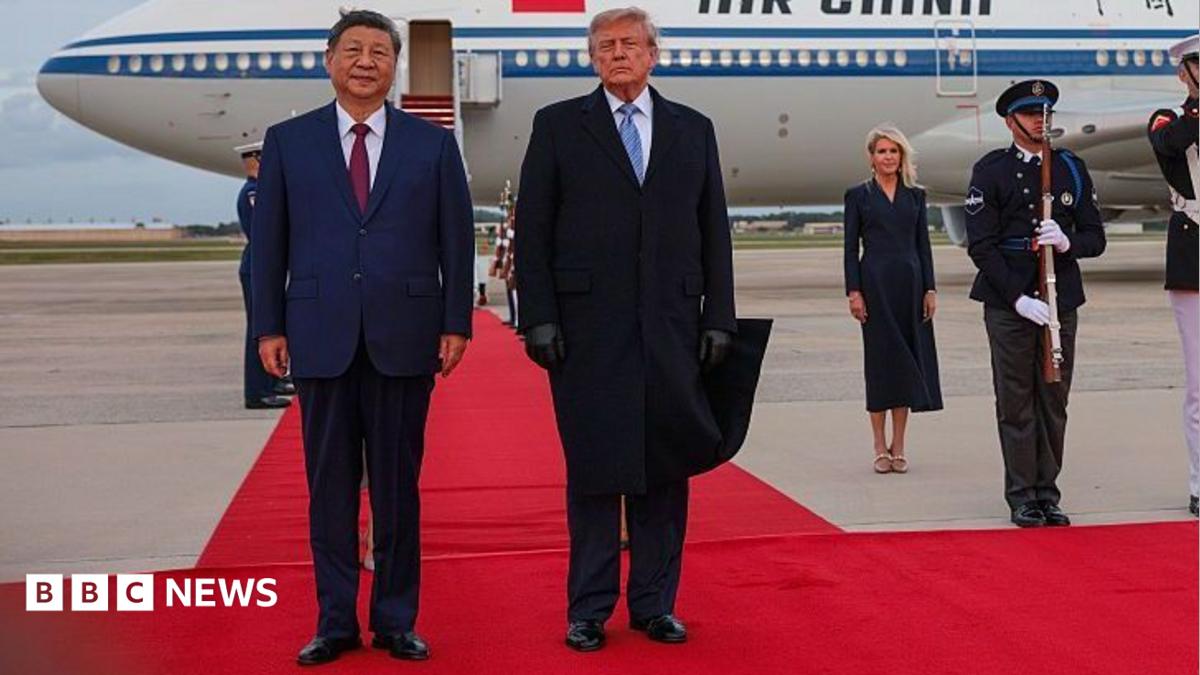
Chinese President Xi Jinping secured high-level diplomatic pageantry in Washington, yet failed to achieve substantive concessions on key trade, technology, and Taiwan policy objectives.
Geopolitical & Core Developments
The recent high-level diplomatic engagement between Chinese President Xi Jinping and United States leadership unfolded against a backdrop of intense strategic competition. While Beijing secured the optics of a traditional state welcome complete with full military honors and formal diplomatic receptions, the substantive outcomes of the summit revealed profound limitations in resolving deep-seated bilateral friction. China entered the negotiations with an ambitious agenda focused on rolling back aggressive technology restrictions, easing bilateral tariff burdens, and securing explicit rhetorical assurances regarding Beijing's territorial claims over Taiwan.
However, American negotiators maintained a firm posture, refusing to trade foundational national security measures for short-term diplomatic accommodations. The talks underscored a hardening consensus in Washington that economic engagement must remain subordinate to strategic containment, particularly regarding advanced semiconductor manufacturing, artificial intelligence, and critical supply chain independence. Although both delegations emphasized the necessity of maintaining open communication channels to prevent military miscalculation, the fundamental structural antagonism between the two global superpowers remains entirely unchanged.
Global Trade & Economic Ripples
The absence of concrete trade normalization agreements has injected renewed volatility into global commodity markets and international shipping networks. Multinational corporations, which had anticipated a thawing of bilateral trade relations, must now accelerate supply chain diversification strategies to mitigate regulatory and tariff risks. Industrial metals, rare earth elements, and energy commodities experienced immediate price fluctuations as traders recalibrated risk premiums in anticipation of prolonged trade friction.
Furthermore, the tech sector remains uniquely exposed to the diplomatic impasse. With semiconductor export controls and hardware restrictions remaining firmly in place, global technology supply chains face continued fragmentation. Shipping lines and logistics providers are likewise preparing for sustained bifurcation in maritime trade routes, as regulatory compliance costs mount and cross-border investments encounter heightened scrutiny from both Beijing and Washington.
Related Intelligence: Costa Rica Dismisses Foreign Minister Over Unauthorized US Diplomatic Engagement
International Reactions & Diplomatic Stances
International bodies and allied governments have responded to the summit with cautious watchfulness. European Union officials underscored the need for multilateral stability, expressing relief that direct dialogue has resumed while warning against unilateral economic measures that could destabilize global commerce. Meanwhile, market analysts and financial institutions have downgraded expectations for near-term macroeconomic harmonization between the world's two largest economies.
Emerging market economies, particularly across Southeast Asia and Latin America, are actively monitoring the diplomatic stalemate. Many nations are positioning themselves to capture redirected trade flows and foreign direct investment resulting from the ongoing decoupling trends. Multilateral economic organizations have reiterated warnings that prolonged trade hostility risks dampening global economic growth and undermining post-pandemic recovery trajectories.
Strategic Outlook & Future Scenarios
Looking ahead, the diplomatic horizon presents multiple escalation points and few avenues for rapid reconciliation. Upcoming international summits will likely serve as secondary battlegrounds for influence, particularly as both nations vie for diplomatic alignment across the Global South. Sanctions enforcement, intellectual property disputes, and maritime security patrols in the South China Sea and Taiwan Strait will continue to serve as primary barometers of bilateral tension.
Without a fundamental shift in strategic calculus from either Washington or Beijing, the bilateral relationship is destined for managed competition rather than comprehensive cooperation. Market participants and sovereign governments must adapt to an era of permanent strategic rivalry, where economic statecraft dictates the parameters of international commerce and geopolitical stability.
Join Our Official WhatsApp Channel
Receive live commodity alerts, policy changes, and commercial intelligence directly on WhatsApp.