
Widespread Cost of Living Protests Across Europe Threaten Economic Stability
Hundreds of thousands of protesters across major European Union economies have mobilized against soaring living costs, pressuring governments and complicating macroeconomic recovery.
Geopolitical & Core Developments
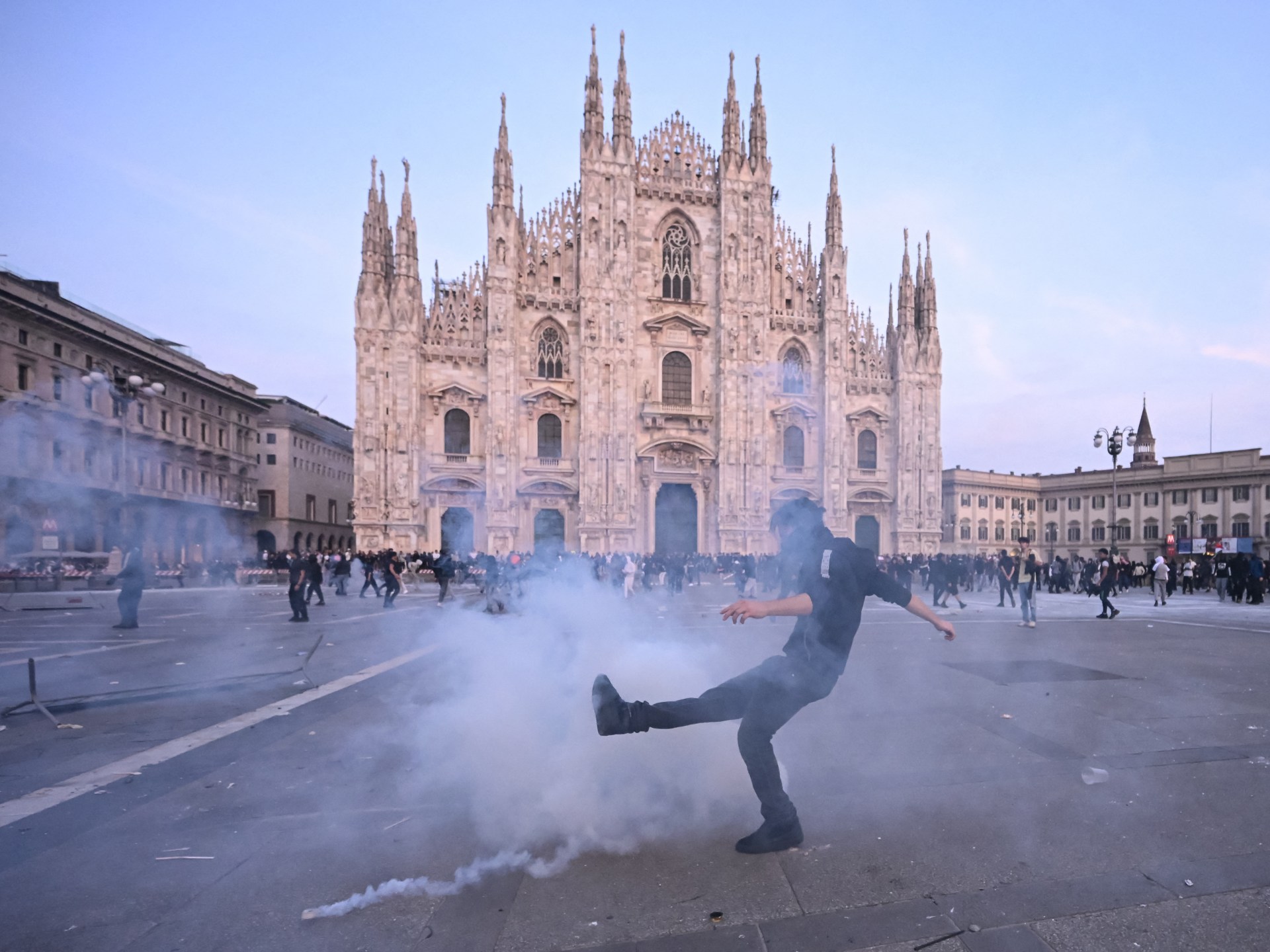
A coordinated wave of civil demonstrations and industrial actions has swept through several key European Union member states, including Belgium, Italy, Portugal, and France. Hundreds of thousands of trade union members, civil servants, and private-sector workers took to the streets to protest eroding real purchasing power caused by prolonged inflationary pressures and soaring utility prices.
In Brussels, public transit ground to a halt as tens of thousands marched toward EU institutional headquarters, demanding statutory wage indexation and stringent regulatory intervention in wholesale energy contracts. Similar unrest immobilized transit in Rome and Milan, where major labor confederations rallied against austerity measures and contested labor reform proposals. In Lisbon and Paris, marches highlighted escalating housing costs and food inflation, underscoring systemic socioeconomic friction. This surge in public dissatisfaction presents acute political challenges for European leadership, testing the internal stability of national coalitions while complicating cohesive regional governance.
Global Trade & Economic Ripples
The industrial disruptions have rapidly manifested across European supply chains, creating bottlenecks at vital logistics nodes. Coordinated rail and port stoppages throughout Mediterranean and North Sea transit hubs have induced delays in regional multimodal distribution networks. For industrial sectors already grappling with volatile natural gas benchmarks and elevated electricity tariffs, manufacturing output risks further contraction.
In commodity markets, prolonged domestic disruption among Western European economies dampens industrial fuel demand while simultaneously complicating import logistics for petrochemical feedstocks and agricultural produce. Currency markets have registered the domestic friction; the euro faced bouts of selling pressure as currency traders weighed the potential for prolonged industrial disputes against the European Central Bank’s monetary tightening cycle. If labor strikes spread deeper into critical infrastructure, cross-border freight rates and wholesale delivery timelines could see sustained upward volatility.
Related Intelligence: US Midterm Rallies Amplify Political Polarization and Policy Uncertainty
International Reactions & Diplomatic Stances
European policymakers have responded with guarded concern, acknowledging household hardship while defending stringent fiscal targets. The European Commission reiterated the imperative of disciplined public spending, cautioning member states against untargeted fiscal stimulus that could entrench inflationary spirals. National finance ministries in Paris and Rome have sought to strike a delicate balance, deploying temporary subsidies while resisting long-term indexation frameworks that businesses warn would degrade industrial competitiveness.
International organizations, including the International Monetary Fund and the OECD, noted that structural income degradation across Europe poses serious risks to private consumption and broad economic momentum. Independent market analysts have highlighted that continued friction between organized labor and state treasuries risks widening sovereign yield spreads within the euro area, especially for economies carrying elevated debt-to-GDP ratios.
Strategic Outlook & Future Scenarios
The immediate trajectory points to heightened friction throughout the upcoming fiscal and budget deliberation cycles. Trade unions in transport, healthcare, and education have warned of recurring rolling strikes if sovereign governments fail to implement binding minimum-wage recalibrations and protective caps on basic retail goods.
Upcoming European Council summits will likely be dominated by calls for structural reforms to the internal electricity market and broader joint financing mechanisms for industrial subsidies. If European administrations fail to deliver tangible relief, political polarization is anticipated to accelerate ahead of upcoming electoral milestones, empowering populist opposition parties and potentially weakening the multilateral consensus required to maintain cohesive foreign policy and macroeconomic alignments.
Join Our Official WhatsApp Channel
Receive live commodity alerts, policy changes, and commercial intelligence directly on WhatsApp.