
US Midterm Rallies Amplify Political Polarization and Policy Uncertainty
Nationwide demonstrations across the United States urge early voter turnout, signaling heightened domestic political friction with profound implications for global trade and geopolitical alignment.
Geopolitical & Core Developments
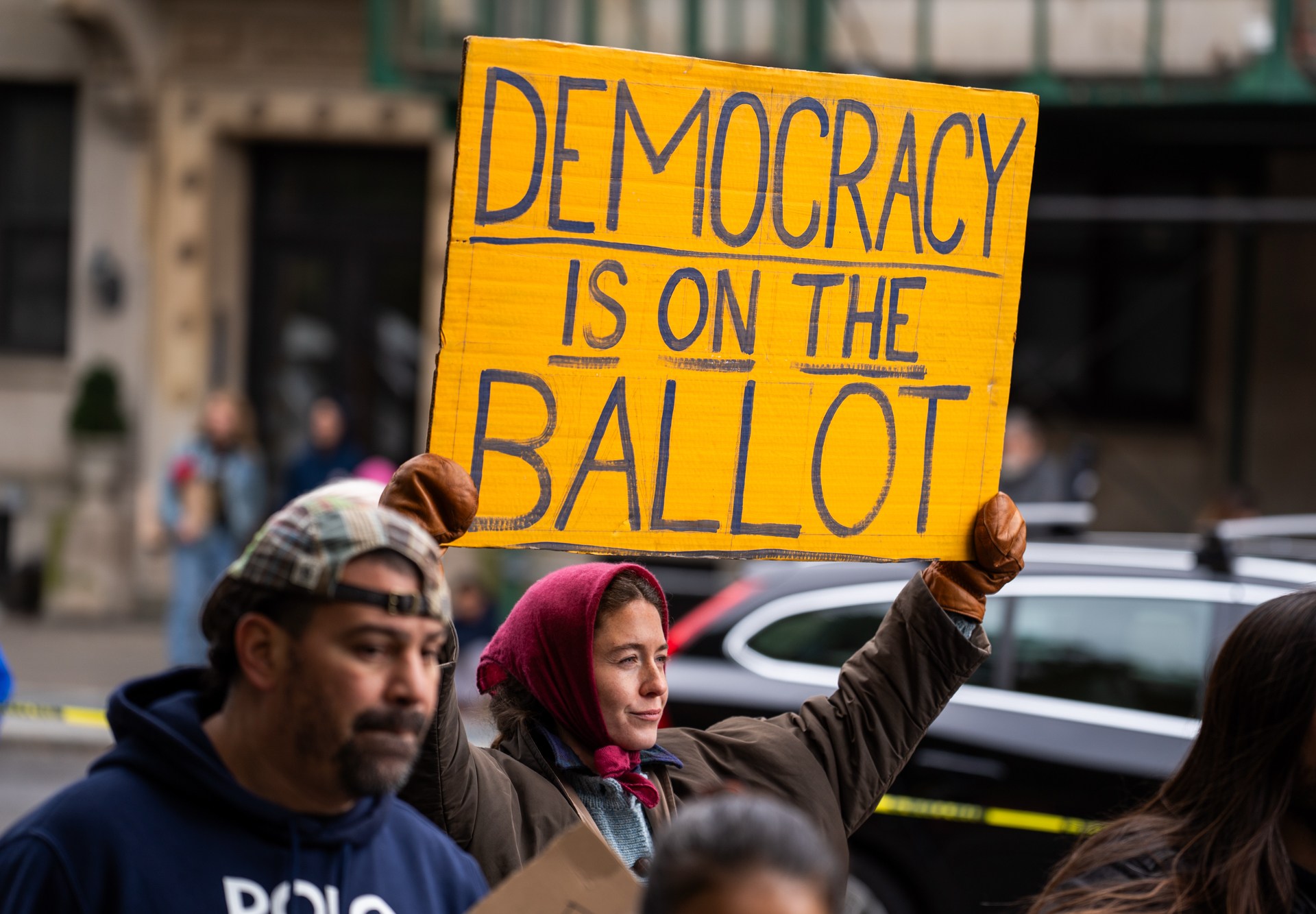
Thousands of demonstrators assembled in major metropolitan hubs and state capitals across the United States on Saturday, marking a significant escalation in civic mobilization ahead of critical midterm legislative elections. Organized under the banner of the 'No Kings' movement, the rallies represent the culmination of two years of coordinated grassroots activity aimed at countering institutional overreach, executive consolidation, and threats to democratic norms.
Demonstrators congregated in significant numbers in pivotal battleground jurisdictions, including Pennsylvania, Wisconsin, Michigan, and Georgia. The primary operational objective of the coordinated events was to maximize early and absentee voting, mitigating the risks of potential electoral disenfranchisement and structural bottlenecks on election day. As voters weigh fundamental questions regarding judicial appointments, regulatory authority, and the rule of law, the mobilization reflects a widening ideological chasm within the world's largest economy.
The strategic stakes extend beyond domestic governance. The configuration of the US Congress determines the legislative baseline for international treaty adherence, multilateral defense allocations, and global diplomatic engagements. With legislative majorities hanging in a razor-thin balance, the potential for divided government introduces acute unpredictability into Washington's foreign policy trajectory.
Global Trade & Economic Ripples
While ostensibly focused on constitutional integrity and domestic voter rights, the civic unrest and electoral tension carry pronounced consequences for international commerce and capital allocation. Institutional predictability in the United States serves as an essential anchor for global financial architecture, sovereign bond pricing, and cross-border investment flows.
A contested or gridlocked legislative branch directly influences the trajectory of international trade agreements, cross-border tariff enforcement, and strategic supply chain diversification. Global energy markets are paying close attention to the electoral outcome, given stark party divides regarding fossil fuel export licensing, strategic petroleum reserve operations, and capital subsidies under the Inflation Reduction Act. Furthermore, institutional polarization threatens to constrain fiscal authorities, raising borrowing costs and introducing volatility into the US Dollar Index (DXY), which fundamentally impacts commodity settlement values worldwide.
Multinational corporations and sovereign wealth funds have historically exercised capital preservation strategies during cycles of acute political friction. Prolonged legislative paralysis or protracted challenges to electoral validity would likely dampen inbound direct investment, disrupt transatlantic industrial harmonization, and accelerate alternative currency arrangements among emerging market blocs.
Related Intelligence: Gaza Drone Strikes Threaten Regional Stability and Trade Corridors
International Reactions & Diplomatic Stances
Allied capitals and multilateral institutions are closely monitoring the political climate in Washington. European Union diplomats have privately voiced apprehension regarding the durability of transatlantic strategic frameworks, particularly concerning industrial clean-energy subsidies and joint security commitments to Eastern Europe. A shift in congressional oversight could precipitate a re-evaluation of unilateral sanctions mechanisms and carbon-border adjustments.
Market analysts and credit rating agencies have increasingly factored political governance indicators into sovereign debt assessments. Institutional analysts in London and Tokyo noted that persistent domestic polarization risks complicating the federal budgeting cycle, thereby elevating risks associated with statutory debt ceiling negotiations. Meanwhile, strategic competitors in Beijing and Moscow have seized on the domestic discord, utilizing state-aligned communication channels to project narratives of structural systemic instability within Western democratic models.
Multilateral bodies, including the Organization for Security and Co-operation in Europe (OSCE), maintain active monitoring mandates over US electoral mechanisms, underscoring that global confidence in democratic continuity remains vital for broader international geopolitical stability.
Strategic Outlook & Future Scenarios
The immediate trajectory hinges on voter participation metrics, judicial challenges to voting procedures, and post-election certification processes. Several distinct scenarios emerge for international observers:
In the event of decisive margins and orderly transitions, baseline policy predictability is likely to steady sovereign credit spreads and maintain current foreign assistance pipelines. Conversely, narrow margins accompanied by extensive legal litigation could induce localized institutional paralysis, prompting market volatility and pausing major cross-border regulatory negotiations.
Over the medium term, the durability of movements like 'No Kings' highlights an enduring realignment in American public life. For global enterprises and diplomatic corps, the midterm elections will serve as a bellwether for the upcoming presidential cycle, dictating whether Washington remains committed to multilateral defense and trade doctrines or pivots toward transactional nationalism.
Join Our Official WhatsApp Channel
Receive live commodity alerts, policy changes, and commercial intelligence directly on WhatsApp.