
White House Restricts Major News Outlets Escalating Governance and Institutional Concerns
The White House has barred multiple major media organizations from press briefings, triggering international debate over administrative transparency, democratic precedent, and policy predictability across global markets.
Geopolitical & Core Developments
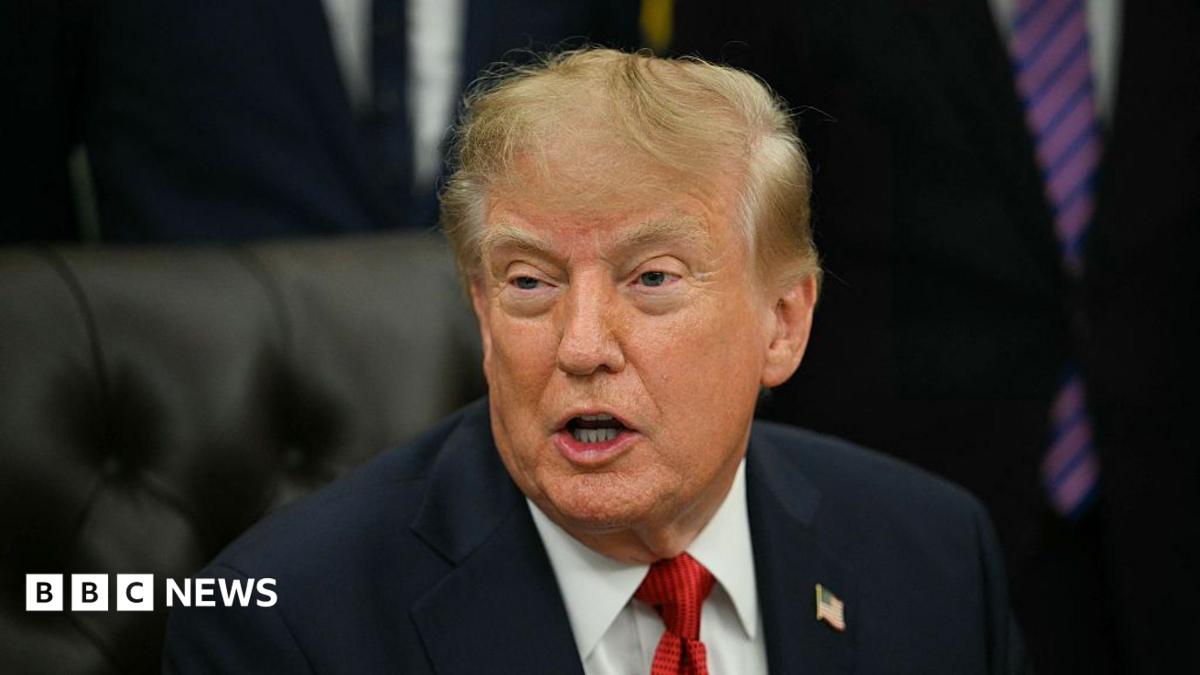
The White House has enacted an immediate ban barring correspondents from CNN, MS NOW, and Politico from participating in official press briefings, with the US administration publicly defending the exclusion by labeling the organizations as purveyors of fabricated news. The executive action marks a significant escalation in the contentious relationship between the executive branch and traditional media institutions, altering decades of established administrative protocol governing the White House press corps. Historically, access to executive briefings has operated under a structured pool system designed to guarantee non-partisan, continuous oversight of executive decision-making.
The strategic stakes of this decision extend far beyond domestic political discourse. The institutional standing of the United States as a global benchmark for press freedom, civil liberties, and the rule of law serves as a pillar of its geopolitical influence and soft power. By unilaterally revoking access for specific accredited organizations, the executive branch has triggered legal and constitutional questions regarding First Amendment protections, regulatory due process, and equal protection under administrative law. State actors worldwide are closely observing the development, assessing whether traditional American institutional norms are undergoing structural realignment toward an increasingly centralized and selective governance model.
Global Trade & Economic Ripples
While press credentialing is primarily viewed through a political lens, the operational transparency of the US executive branch directly impacts global commercial markets, commodity trading, and international financial flows. Policy directives concerning tariffs, export controls, energy sanctions, and cross-border investment screening often emerge from White House press conferences and executive briefings. When access to these events is restricted or politicized, the flow of real-time, verified institutional data becomes fragmented, exacerbating information asymmetry for global market participants.
Commodity markets, including crude oil benchmarks, agricultural futures, and strategic metals, rely heavily on predictable policy signaling regarding sanctions enforcement and maritime trade lanes. A fractured media ecosystem within the world's preeminent regulatory jurisdiction increases market volatility, as traders must navigate selective information dissemination and informal leaks rather than open, verified public briefings. Furthermore, international institutional investors monitor indicators of institutional erosion, as prolonged domestic governance disputes can generate subtle risk premiums regarding US sovereign policy consistency and regulatory reliability.
Related Intelligence: UK Court Acquits Woman in Landmark Speech Case on Palestinian Resistance
International Reactions & Diplomatic Stances
The move has drawn immediate scrutiny from multilateral watchdogs, press freedom organizations, and foreign diplomatic missions. Press advocacy bodies, including the Committee to Protect Journalists and Reporters Without Borders, issued statements condemning the measure as a dangerous precedent that undermines public accountability and democratic standards. Media law associations within the United States are preparing potential legal challenges, citing established judicial precedent that prevents administrative agencies from arbitrarily revoking press credentials without formal due process.
Diplomatically, the policy creates friction for Western alliances. European Union officials and allied democracies frequently align with Washington to challenge state censorship and information suppression in authoritarian nations. Diplomats in Brussels and London privately acknowledge that the exclusion of established media outlets complicates Western diplomatic efforts to champion open governance and independent journalism abroad. Concurrently, state-run media apparatuses in competing geopolitical capitals, including Moscow and Beijing, have seized upon the development to counter Western criticisms of their own domestic media environments.
Strategic Outlook & Future Scenarios
The dispute is poised to progress through formal legal and administrative avenues, with affected news organizations likely seeking emergency injunctions in federal courts to reinstate credentialed access. Previous judicial rulings have generally constrained the executive's capacity to exclude specific journalists based on viewpoint discrimination, suggesting protracted legal proceedings that could redefine the executive branch's discretionary authority over public facilities.
Moving forward, the trajectory points to an increasingly fragmented policy communication framework, where alternative distribution platforms and sympathetic outlets are favored over traditional press institutions. For international observers, corporate risk assessors, and foreign governments, this shift necessitates diversified intelligence-gathering strategies to track US regulatory and geopolitical directives. If the restrictions persist, the broader consequence will be a gradual erosion of established institutional norms, complicating strategic clarity for global markets dependent on transparent governance.
Join Our Official WhatsApp Channel
Receive live commodity alerts, policy changes, and commercial intelligence directly on WhatsApp.