
White House Bans CNN, Politico and MS NOW Amid Press Scrutiny
Donald Trump has prohibited CNN, MS NOW, and Politico from White House coverage, escalating institutional tensions and raising regulatory concerns across global media and information-sensitive financial markets.
The Core Development
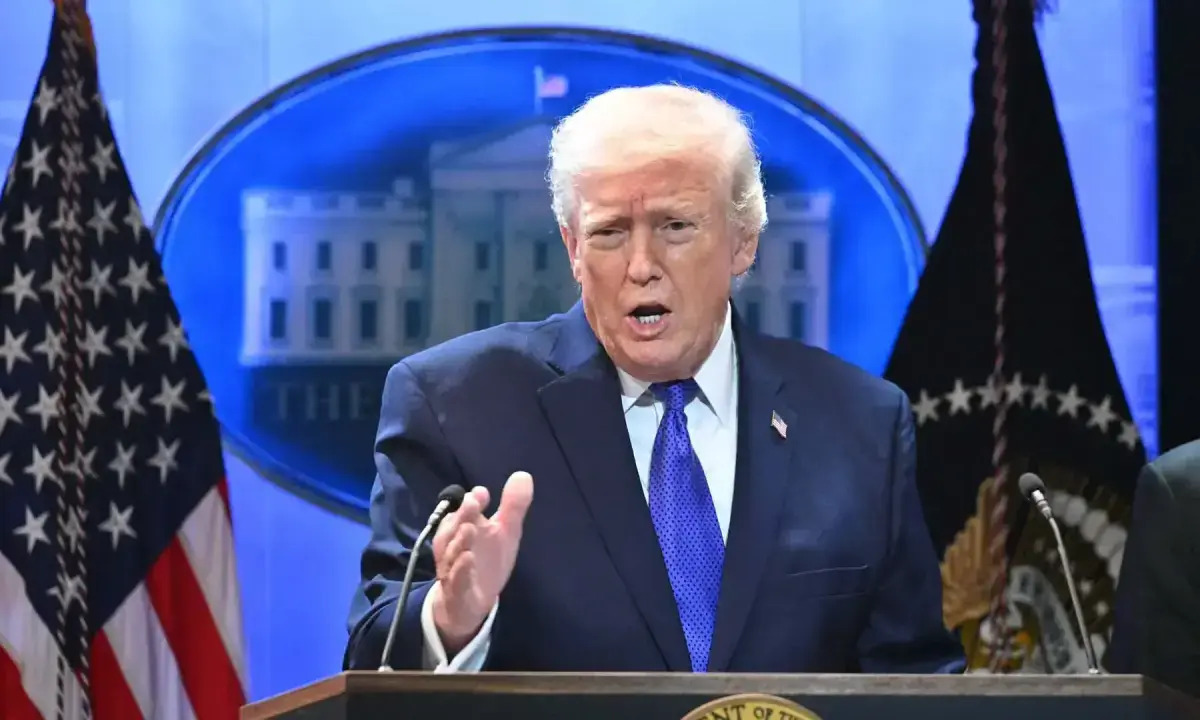
United States President Donald Trump has formally barred three prominent international news organisations—CNN, MS NOW, and Politico—from attending White House press briefings and accessing presidential media pools. The executive action represents a significant escalation in administrative confrontations with the independent press corps.
Announcing the restriction via public statements, Trump accused the targeted outlets of consistently disseminating inaccurate reporting, labelling their institutional coverage as malicious. The measure abruptly strips White House credentials from dozens of accredited journalists, breaking established administrative conventions governing press corps access. Legal experts, civil liberties groups, and media freedom advocates noted that the exclusion runs directly counter to First Amendment guarantees of free expression and procedural due process. Precedent from prior judicial rulings on White House press credential revocations suggests the action will trigger immediate emergency injunction requests in federal court.
Commercial & Economic Implications
While ostensibly a domestic political and constitutional development in Washington, arbitrary curbs on verified information channels carry broad economic consequences for international commerce and developing financial ecosystems, including Pakistan.
Global trade networks and financial markets rely heavily on rapid, uncompromised disclosures regarding US macroeconomic policies, tariff structures, interest rate trajectories, and executive orders. When primary reporting access is restricted or politicised, market participants face increased institutional uncertainty. For import-reliant commercial sectors in Pakistan—such as wholesale distribution of electronics, chemicals, industrial components, and consumer goods—heightened volatility in US sovereign policy communications complicates price forecasting and foreign exchange risk management. When political unpredictability impacts the US Dollar Index, emerging market currencies like the Pakistani Rupee encounter secondary volatility, driving up import landed costs, shipping insurance premiums, and domestic wholesale prices.
Furthermore, multinational media conglomerates face direct capital disruptions, potential credit rating reviews, and shifting subscriber dynamics. For corporate enterprises and commercial trade houses, the erosion of reliable official information flows distorts forward planning, making long-term procurement contracts vulnerable to unanticipated geopolitical shocks.
Related Intelligence: White House Media Restrictions Spark Global Policy and Market Uncertainty
Stakeholder Perspectives & Market Reactions
The White House Correspondents' Association and press freedom advocates registered immediate objections, categorising the directive as an unlawful overreach that sets a dangerous international precedent for authoritarian media restrictions. Legal analysts pointed out that administrative agencies cannot constitutionally condition press access upon ideological compliance or favourable coverage.
Financial sector analysts in frontier and emerging economies expressed concern regarding the unpredictability of US policy signaling. Pakistani market analysts and trade association representatives noted that access-driven volatility at the centre of global governance creates downstream friction for international supply chains. Investors typically respond to policy unpredictability by elevating sovereign risk premiums and seeking safe-haven liquid assets, which tightens external borrowing conditions for emerging economies.
Conversely, supporters of the executive decision framed the bans as an appropriate exercise of administrative discretion against perceived media bias, arguing that executive leadership maintains authority over internal facilities.
Forward Outlook & Key Watchpoints
The immediate focus shifts to the federal judiciary, where expedited motions for temporary restraining orders are anticipated. Historically, US federal courts have mandated the reinstatement of press access when credential revocations fail to observe due process and transparent standards.
Market observers will monitor whether this policy expands to restrict other critical financial news services, which could directly impair real-time policy dissemination to trading floors. Commercial entities and supply chain operators must brace for continued rhetoric surrounding international trade controls, unilateral tariff announcements, and regulatory shifts delivered through non-traditional communication channels, elevating the operational necessity for robust contingency planning across international trade operations.
Join Our Official WhatsApp Channel
Receive live commodity alerts, policy changes, and commercial intelligence directly on WhatsApp.