
Trump Administration Imposes Access Bans on Major White House Media Outlets
The US administration has banned major news organizations from the White House, accusing them of spreading falsehoods, a decision carrying broad implications for institutional transparency and global market predictability.
Geopolitical & Core Developments
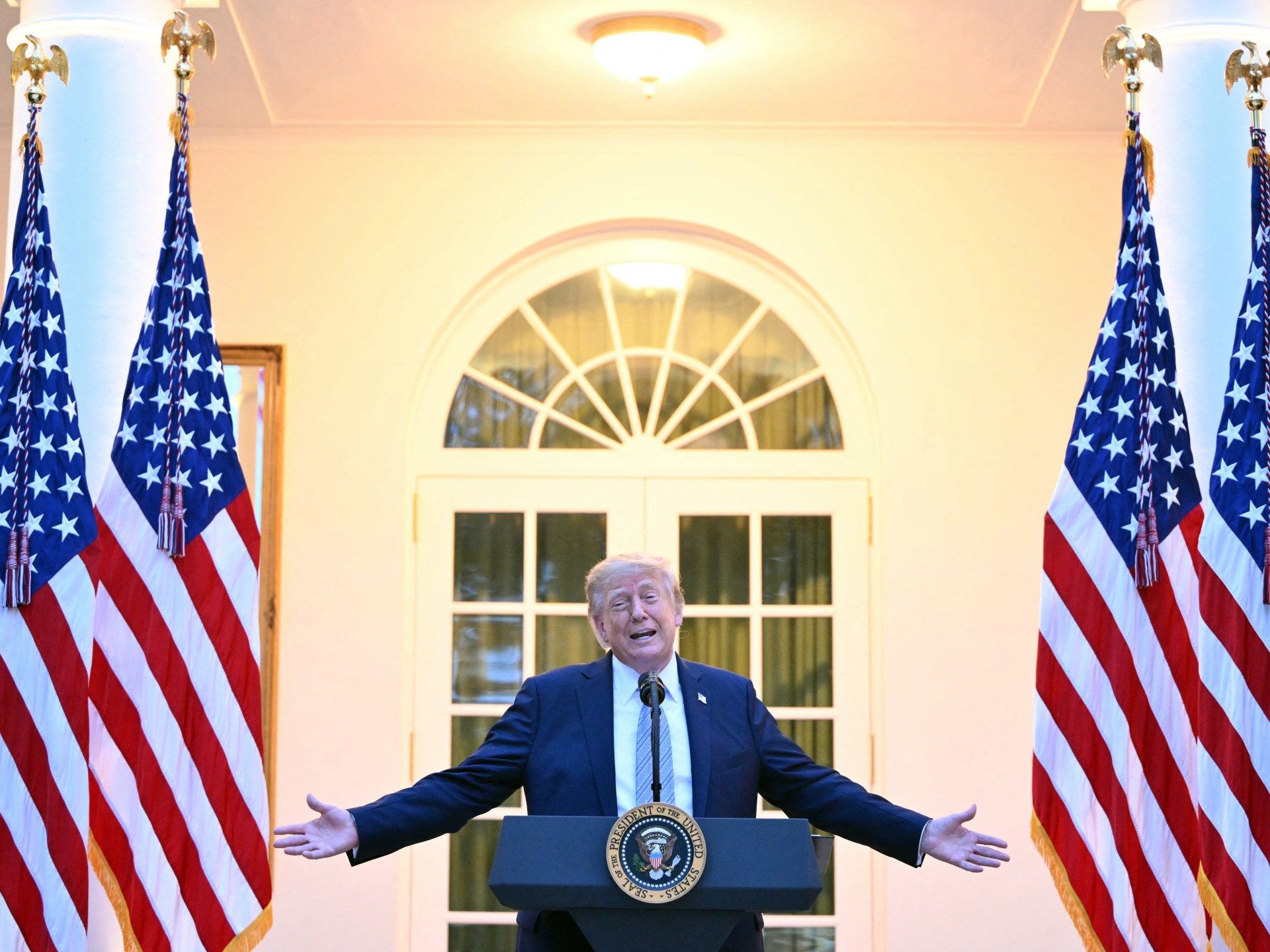
The executive branch of the United States has enacted an assertive restriction on media credentials, barring several prominent international and domestic news organizations—most notably CNN, Politico, and MS NOW—from regular White House briefing rooms and press pool rotations. The administration justified the prohibitive measures by accusing the affected networks of disseminating fabricated narratives and deliberate falsehoods, formalizing an adversarial posture toward established press institutions.
This confrontation represents a material escalation beyond conventional political rhetoric. By altering the long-standing infrastructure of executive press credentials managed in coordination with the White House Correspondents' Association, the administration has disrupted decades-old institutional conventions designed to ensure independent journalistic oversight. The strategic stakes extend far beyond the briefing room: the move challenges structural governance norms, testing the durability of First Amendment legal protections and signaling a calculated shift toward state-curated information distribution models that bypass traditional editorial filters.
Global Trade & Economic Ripples
While ostensibly a domestic governance dispute, the fragmentation of White House communication pipelines introduces quantifiable friction into global financial markets and international trade networks. Modern macroeconomic stability relies extensively on rapid, unencumbered access to official policy signaling, particularly concerning unilateral tariff directives, export controls, and executive sanctions regimes.
Financial desks, commodity traders, and automated algorithmic systems rely on credentialed pool reporting to verify executive pronouncements in real time. The marginalization of institutional news agencies creates an information vacuum, increasing latency and vulnerability to market-moving rumors. Global energy markets, sovereign currency valuation, and shipping logistical routes are particularly sensitive to erratic policy announcements; diminished institutional verification elevates the geopolitical risk premium factored into United States regulatory reliability, contributing to intermittent spikes in the Economic Policy Uncertainty (EPU) Index.
Related Intelligence: White House Bans CNN, Politico and MS NOW Amid Press Scrutiny
International Reactions & Diplomatic Stances
The administrative embargo has drawn sharp scrutiny across multilateral forums and diplomatic capitals. The United Nations Special Rapporteur on the Promotion and Protection of the Right to Freedom of Opinion and Expression noted that curtailing press access undermines fundamental international standards regarding government transparency and public accountability.
Allied capitals across the European Union and the G7 have adopted a cautious diplomatic stance, balancing public commitments to press freedom with the imperative to maintain smooth bilateral relations with Washington. Conversely, strategic rivals and non-democratic regimes have leveraged the policy shift rhetorically to justify their own domestic curbs on foreign press corps, arguing that Western claims of media independence are functionally subordinate to state convenience. Meanwhile, international civil liberties organizations and media advocacy groups have announced collective legal preparations to challenge the credential revocations under constitutional due process doctrines.
Strategic Outlook & Future Scenarios
The medium-term trajectory of this dispute is poised to unfold across the federal judiciary. Historical precedent, notably past appellate rulings affirming that government access cannot be arbitrarily denied without due process, suggests the credential bans will face swift legal contestation. The Department of Justice will likely be required to defend whether executive discretion supersedes established administrative standards for press accreditation.
Moving forward, global observers foresee two baseline scenarios. In the primary scenario, federal injunctive relief could temporarily reinstate baseline pool credentials, prompting the administration to adopt alternative strategies such as reducing briefing frequencies or selectively directing executive interviews exclusively toward friendly conduits. In a secondary, more escalatory scenario, sustained executive refusal to comply could trigger an institutional standoff, permanently reshaping the mechanics of Washington press operations and compelling international corporate stakeholders to establish alternative, non-governmental risk assessment channels.
Join Our Official WhatsApp Channel
Receive live commodity alerts, policy changes, and commercial intelligence directly on WhatsApp.