
White House Press Turmoil Sparks Scrutiny Over US Strategic Policy Messaging
The rapid departure of White House Press Secretary Katie Zacharia after five days creates unexpected messaging friction for the administration, prompting international counterpart scrutiny over US policy consistency and economic directives.
Geopolitical & Core Developments
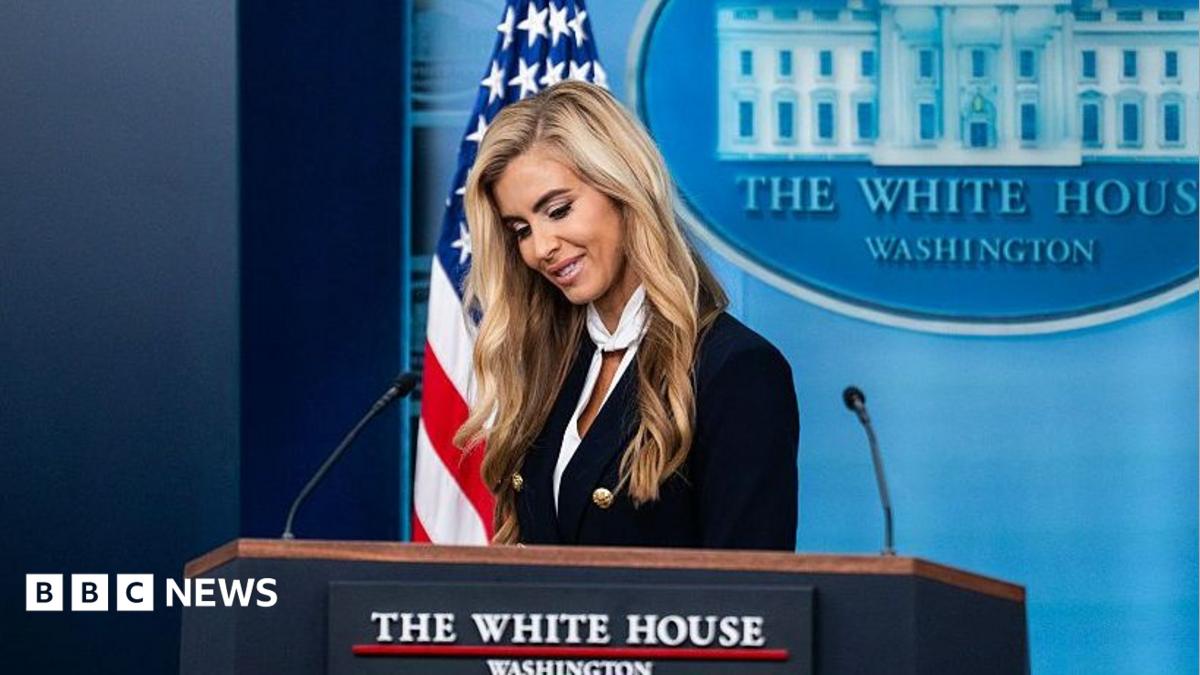
The unexpected exit of White House Press Secretary Katie Zacharia, after less than five days in office, has triggered an abrupt crisis of communications management inside the executive branch of the world's largest economy. Following an inaugural briefing marked by contentious scrutiny from the White House press corps regarding her professional credentials, policy grasp, and strategic preparedness, official confirmation arrived that Zacharia would vacate the post immediately. While turnover within press offices is not historically unprecedented, the extreme velocity of this resignation has amplified institutional concerns among domestic stakeholders and foreign diplomatic missions alike.
The White House press podium serves as the primary daily vehicle for articulating executive orders, international diplomatic engagements, military posturing, and global economic sanctions. When that podium faces sudden administrative instability, the clarity of state directives becomes compromised. State actors, multilateral institutions, and diplomatic missions across Europe, Asia, and Latin America rely extensively on precise executive statements to calibrate trade dialogues, security guarantees, and regulatory enforcement measures. The swift personnel transition forces administrative leads to scramble to restore operational discipline, raising questions about internal vetting mechanisms and the broader cohesion of senior executive staff during a period of complex global realignment.
Global Trade & Economic Ripples
While press corps staffing adjustments rarely prompt structural macroeconomic dislocations on their own, the timing of communications volatility directly affects international market sentiment. Contemporary capital markets, energy corridors, and commodity futures are intensely sensitive to presidential guidance on tariffs, export control restrictions, and federal regulatory regimes. Clear rhetoric from the briefing room frequently dampens currency volatility and reassures corporate treasuries operating across sensitive supply chains. Conversely, ambiguous or abruptly interrupted strategic messaging creates friction across global trade corridors.
Foreign exchange desks in London, Singapore, and New York monitored the development alongside broader fiscal and sovereign debt headlines. Unforeseen personnel friction inside the administration can introduce temporary risk premiums into the US dollar index (DXY) against major G10 currencies if perceived as indicative of wider governance headwinds. Global agricultural and industrial commodity desks also assess executive policy signaling closely, particularly regarding unilateral sanctions enforcement, strategic petroleum reserve maneuvers, and critical mineral bilateral accords. Any communication vacuum invites speculative pricing, potentially driving erratic movements across benchmark Brent crude contracts and sovereign debt yields.
Related Intelligence: White House Press Secretary Katie Zacharia Dismissed After Brief Tenure
International Reactions & Diplomatic Stances
Diplomatic channels and institutional market observers responded with measured assessment, focusing primarily on structural policy continuity rather than personal political fallout. Diplomatic representatives in Brussels and Tokyo privately observed that coherent messaging from Washington remains indispensable for coordinating G7 industrial strategies, advanced semiconductor export controls, and regional maritime deterrence postures. European trade envoys noted that transparent communications are particularly critical as negotiations regarding bilateral tariffs and clean tech supply chains advance.
Institutional analysts across macroeconomic consultancies and sovereign wealth advisory firms characterized the departure as an operational setback that must be rapidly neutralized. In Washington, political observers highlighted that external partners seek assurances that executive directives concerning trade defense instruments and international alliance obligations will not suffer from institutional drift. Multi-industry trade associations representing cross-border manufacturers also emphasized the need for dependable, authoritative communication lines to mitigate operational ambiguities in global shipping, customs compliance, and supply chain management.
Strategic Outlook & Future Scenarios
The administration must promptly secure a credible, seasoned successor to stabilize the executive briefing room and restore operational confidence among international observers. In the short term, interim spokespersons are likely to execute an austere, strictly scripted communications posture designed to insulate key foreign policy initiatives, international trade talks, and bilateral security pacts from ongoing media turbulence.
Looking ahead, the critical test will center on whether the broader cabinet can maintain messaging coherence heading into upcoming bilateral engagements, global trade summits, and high-stakes multilateral forums. If subsequent personnel transitions emerge across economic or security advisory bodies, market participants may begin pricing in wider governance friction, with secondary effects rippling through sovereign debt dynamics and strategic cross-border investments. Sustained policy discipline and prompt institutional stabilization will be decisive in signaling that US global economic leadership and international commitments remain fully intact.
Join Our Official WhatsApp Channel
Receive live commodity alerts, policy changes, and commercial intelligence directly on WhatsApp.