
Iran Targets US Midterm Voters With Strategic Messaging on Energy Inflation
Tehran has launched targeted English-language messaging emphasizing retail gasoline inflation and domestic economic friction in the United States ahead of crucial legislative elections.
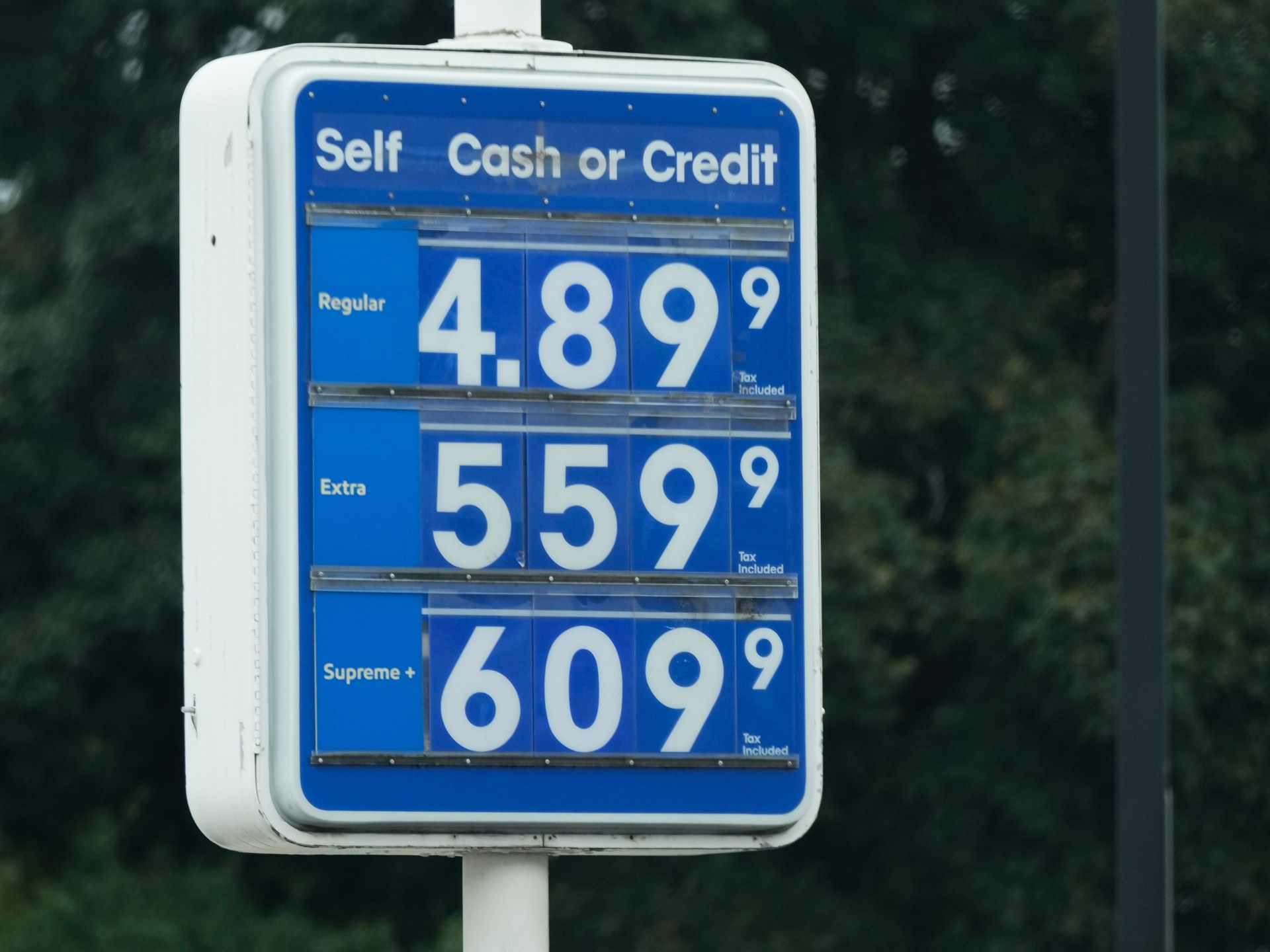
Geopolitical & Core Developments
Iranian state officials and diplomatic representatives have initiated a coordinated public communications campaign aimed at American domestic audiences, systematically linking the costs of foreign military engagement in the Middle East to escalating consumer inflation in the United States. Utilizing prominent English-language statements across multilateral platforms and state media organs, Tehran's foreign policy apparatus has sharpened its focus on domestic American vulnerabilities, most notably retail gasoline prices and broader economic strain.
This communication offensive coincides with critical legislative midterms in the United States, where household expenditure, fuel affordability, and general macroeconomic stability dominate the electorate's priorities. By projecting the financial ramifications of an expanded confrontation, Iranian policymakers are attempting to construct a direct feedback loop between Washington's deterrence posture and the domestic purchasing power of American citizens. The timeline of this messaging aligns with prolonged impasses over nuclear diplomacy, intermittent maritime skirmishes in regional waterways, and sustained Western sanctions, demonstrating a pivot from strictly ideological rhetoric toward targeted geo-economic pressure.
Global Trade & Economic Ripples
Energy markets have reacted with heightened sensitivity to the diplomatic posturing, as any escalation involving Iran introduces immediate risk premiums to physical crude trading and maritime logistics through the Strait of Hormuz. Because the Persian Gulf remains the conduit for approximately one-fifth of global petroleum liquids, rhetorical friction inherently increases marine war risk insurance premiums and affects global charter rates for Very Large Crude Carriers (VLCCs).
Beyond upstream crude volatility, refinery supply chains face secondary headwinds. Modern industrial supply chains remain fragile under persistent inflationary pressure; sustained crude volatility directly impacts petrochemical inputs, fertilizer production, and international freight charges. For emerging economies reliant on imported hydrocarbons, prolonged tensions and speculative price surges exacerbate balance-of-payments deficits and deplete foreign exchange reserves, reinforcing the broader macroeconomic spillovers of Tehran's targeted economic discourse.
Related Intelligence: Government Slashes Domestic Petrol Price by Rs3.93 per Litre
International Reactions & Diplomatic Stances
In Washington, administration officials and legislative leaders have largely dismissed Tehran's messaging as calculated informational warfare designed to weaken domestic political resolve. Officials from the US Department of State have reaffirmed that strategic foreign policy alignments and deterrence architectures will not be subordinated to foreign information operations or short-term commodity fluctuations.
Meanwhile, international market observers and multilateral energy organizations view the dynamic with caution. Analysts at major energy consultancies note that Iran's overt invocation of retail gasoline pricing highlights the asymmetric leverage oil-producing states retain over consumer democracies during electoral cycles. European diplomatic channels, currently navigating their own continental energy transitions and supply deficits, have reiterated the necessity of sustained de-escalation, urging all regional parties to avoid inflammatory rhetoric capable of destabilizing international maritime corridors and commodity exchanges.
Strategic Outlook & Future Scenarios
The trajectory of this informational campaign depends heavily on the trajectory of global crude fundamentals leading into the final weeks of the electoral cycle. Should the Organization of the Petroleum Exporting Countries and its partners maintain disciplined production quotas, the structural tightness in global supplies will continue to grant Tehran's rhetoric amplified resonance among price-sensitive Western consumers.
Moving forward, several baseline scenarios are likely to unfold. A continuation of low-level diplomatic friction combined with rhetorical skirmishing represents the baseline expectation, keeping Brent and West Texas Intermediate contracts subject to sudden headline-driven fluctuations. Alternatively, should Washington respond with tightened enforcement of maritime sanctions on Iranian export conduits, Tehran may escalate beyond narrative tactics to maritime interdictions or indirect asymmetric actions. Multilateral bodies and regional trading hubs will monitor whether these communications foreshadow renewed diplomatic negotiations over sanctions relief or mark the onset of expanded hybrid friction across critical energy corridors.
Join Our Official WhatsApp Channel
Receive live commodity alerts, policy changes, and commercial intelligence directly on WhatsApp.