
West Bank Settler Violence Surges as Israel Halts Gaza Commercial Imports
Escalating settler attacks on Palestinian agricultural hubs and international delegations accompany Israel's suspension of commercial imports into Gaza, heightening geopolitical volatility and systemic supply disruptions across the region.
Geopolitical & Core Developments
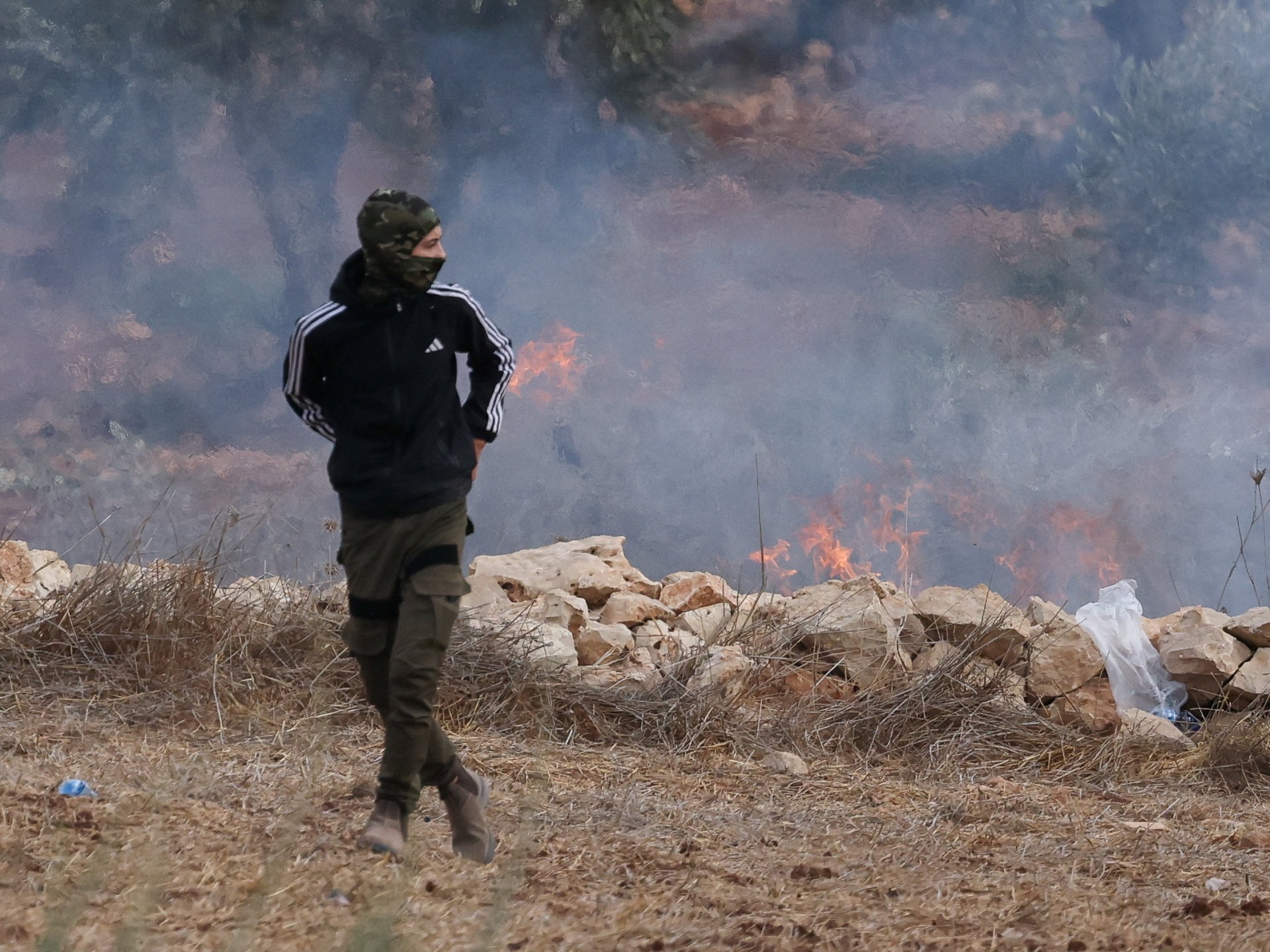
Tensions across the occupied Palestinian territories have escalated following an intensifying wave of settler violence targeting agricultural communities, foreign diplomats, and media personnel during the annual olive harvest. Field monitors confirm that the frequency and severity of harvest-related assaults in 2025 have already surpassed the prior year's aggregated totals. Diplomatic delegations from European states and accredited international journalists were directly confronted and targeted during monitoring missions in the West Bank, signaling an erosion of operational security for foreign observers.
Simultaneously, Israeli security authorities have imposed an abrupt moratorium on commercial cargo entering the Gaza Strip. The directive suspends regular trade logistics channels, halting private sector freight and exacerbating the catastrophic humanitarian baseline. The combination of targeted disruptions to Palestinian rural commerce in the West Bank and the aggregate embargo on commercial inflows into Gaza points to an accelerating spatial and economic fragmentation of the territories, posing complex strategic challenges for neighboring states and international mediators.
Global Trade & Economic Ripples
While the direct trade footprint of the Palestinian territories remains localized, the broader economic fallout manifests through regional logistics disruption and elevated sovereign risk metrics across the Levant. The suspension of Gaza's commercial inflows completely terminates bilateral merchandise flows managed by international intermediaries, stranding regional freight and compounding demurrage costs for transport operators operating via Ashdod, Haifa, and land transit routes via Jordan and Egypt.
The systemic targeting of the Palestinian olive sector strikes at the primary pillar of West Bank rural capital formation and export income. The destruction of groves and denial of access to agricultural tracts eliminate essential domestic output, driving regional food inflation and forcing reliance on costly humanitarian assistance programs funded primarily by multilateral bodies and regional donors.
More broadly, the escalation contributes to the persistent risk premium applied to Eastern Mediterranean shipping and logistics corridors. Global insurers continue to adjust war-risk maritime premiums across Red Sea and Levant navigation lanes, pricing in the persistent threat of geopolitical spillover. For commodities and energy markets, prolonged volatility in the regional security architecture inhibits long-term infrastructure integration and raises transaction costs for cross-border infrastructure initiatives.
Related Intelligence: Peshawar High Court Issues Notices on Petitions Challenging KP Emergency Rule
International Reactions & Diplomatic Stances
The targeted harassment of European diplomatic personnel has triggered formal protests from Western capitals, with European Union foreign policy officials issuing formal demarches demanding accountability and legal protection for accredited delegations. United Nations agencies operating on the ground have warned that the halting of commercial imports into Gaza circumvents established deconfliction mechanisms and paralyses remaining microeconomic recovery frameworks.
Arab League member states, alongside regional interlocutors, have condemned both the settler incursions and the commercial trade stoppage, characterizing the measures as collective economic deprivation. Multilateral organizations have reiterated that attacks on civilian agricultural infrastructure contravene international humanitarian law, prompting renewed debates in international courts regarding state responsibility for non-state actor violence in occupied territories.
Strategic Outlook & Future Scenarios
The trajectory of the crisis points toward hardening diplomatic positions and an elevated likelihood of asymmetric retaliation. In the immediate term, foreign ministries in Europe and North America face mounting domestic political pressure to broaden individual sanctions regimes against extremist settler groups and entities facilitating agricultural displacement. Failure to stabilize field conditions during the current harvest cycle risks triggering wider general strikes and coordinated civil unrest across the West Bank.
Looking ahead, the indefinite freeze on commercial imports into Gaza will likely accelerate the complete institutionalization of black-market logistics, eroding governance transparency and compounding reconstruction deficits. Unless sustained international leverage forces an institutional reopening of commercial logistics terminals and establishes enforceable protection frameworks for rural Palestinian producers, the macro-stability of the Levant will remain structurally compromised, with cascading implications for Mediterranean security frameworks and regional trade viability.
Join Our Official WhatsApp Channel
Receive live commodity alerts, policy changes, and commercial intelligence directly on WhatsApp.