
Rawalpindi Cricket Tri-Series Fixture Sparks High-Stakes Sports Diplomacy and Commercial Activity
England won the toss and elected to field against Pakistan in Rawalpindi, anchoring a pivotal international tri-series match that simultaneously drives regional commercial activity and urban logistical shifts.
The Core Development
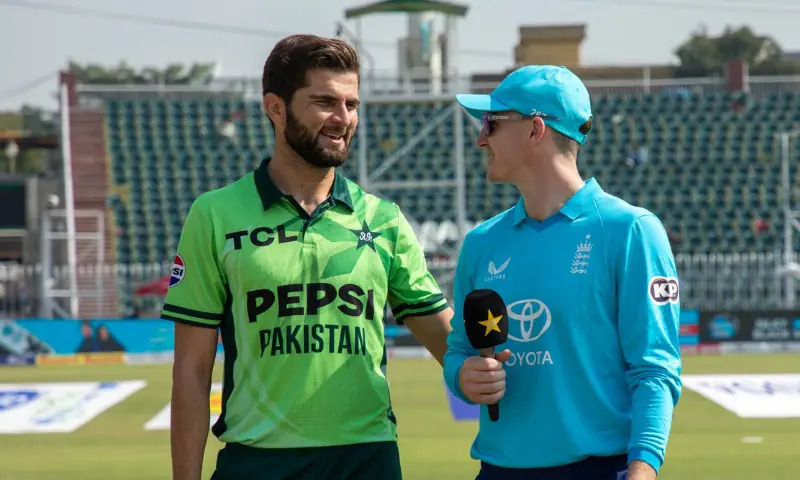
England captain Harry Brook won the toss and elected to bowl first in the One-day International tri-series clash against Pakistan at the Rawalpindi Cricket Stadium on Tuesday. The fixture marks a crucial juncture in the multi-nation tournament, with Pakistan seeking to solidify its path toward the scheduled final on October 31.
Pakistan entered the encounter riding momentum from an opening 37-run victory over Sri Lanka. In that earlier fixture, Pakistan also lost the toss and was forced to defend under adverse night conditions, where heavy dew at the Rawalpindi venue complicated outfield fielding and ball grip before a decisive collapse ended the visitors' pursuit. England's decision to insert Pakistan reflected calculated tactical maneuvering based on local meteorological patterns and surface wear, as evening humidity frequently shifts the balance toward teams chasing targets in the second innings.
Organized under the auspices of the Pakistan Cricket Board (PCB), the fixture attracted considerable domestic and international viewership, highlighting Rawalpindi's continuing role as a central hub for top-tier international cricket tours.
Commercial & Economic Implications
While international sporting events serve athletic objectives, their economic footprint across the Islamabad-Rawalpindi metropolitan corridor is substantial. The hosting of England and Sri Lanka delivers a direct demand impulse to the hospitality, lodging, and private transport sectors. Hotels in the twin cities reported elevated occupancy rates, driven by broadcast crews, team delegations, cricket board officials, and inter-city spectators.
For wholesale distribution networks and retail commerce, the event presents a dual reality. FMCG consumption, beverage distribution, and fast-food retail encounter short-term sales volume spikes in commercial pockets surrounding Shamsabad and the Stadium Road perimeter. Outdoor advertising revenue and localized promotional sponsorships also peak during match days.
Conversely, stringent security cordons and dynamic traffic diversions deployed by civic authorities introduce temporary supply-chain frictions. Wholesale cargo transit along the Murree Road artery faces daytime restrictions, forcing distribution vehicles servicing inner-city Rawalpindi markets to absorb transit delays and route detours, which modestly increases last-mile transportation overheads for dry goods and perishables.
Related Intelligence: Southeast Asia Haze Crisis Threatens Regional Trade and Supply Chains
Stakeholder Perspectives & Market Reactions
Local commercial entities and market bodies maintain an overwhelmingly positive posture regarding the continuous staging of international series. Representatives from regional trade associations emphasize that high-profile athletic fixtures validate Pakistan's security protocols and bolster sovereign brand equity, providing an indirect but valuable lift to international business sentiment.
However, small-scale market operators situated directly along access cordons consistently appeal to district administrations for optimized traffic management frameworks. Retailers note that while stadium-adjacent food vendors enjoy intense turnover, unrelated commercial outlets often experience reduced foot traffic during match windows due to pedestrian checkpoints and parking limitations.
Broadcasting executives and commercial brand sponsors have registered robust engagement figures, pointing to resilient consumer appetite for prime-time sports content. This strong domestic viewership supports advertising expenditure across television networks and streaming platforms despite broader domestic macroeconomic caution.
Forward Outlook & Key Watchpoints
The ongoing tri-series serves as an operational benchmark for upcoming international scheduling across Pakistan's major cricket hubs, including Lahore and Karachi. Market observers and commercial stakeholders are tracking stadium attendance, transit management efficacy, and regional economic spillover ahead of the October 31 tournament decider.
Moving forward, the primary operational focus centers on municipal coordination. Ensuring that security requirements do not unduly suppress urban retail activity remains an ongoing priority for local administrations. If executed smoothly, the commercial and diplomatic dividends of hosting premier touring teams like England will further strengthen Pakistan's viability as a destination for major international sports tournaments and associated corporate investment.
Join Our Official WhatsApp Channel
Receive live commodity alerts, policy changes, and commercial intelligence directly on WhatsApp.