
Saudi Arabia Cancels Future Investment Initiative as Regional Security Risks Escalate
Saudi Arabia has canceled its signature investment summit until 2027 amid escalating Houthi cross-border threats, prompting civil defense precautions in Riyadh and injecting renewed risk premiums into global energy markets.
Geopolitical & Core Developments
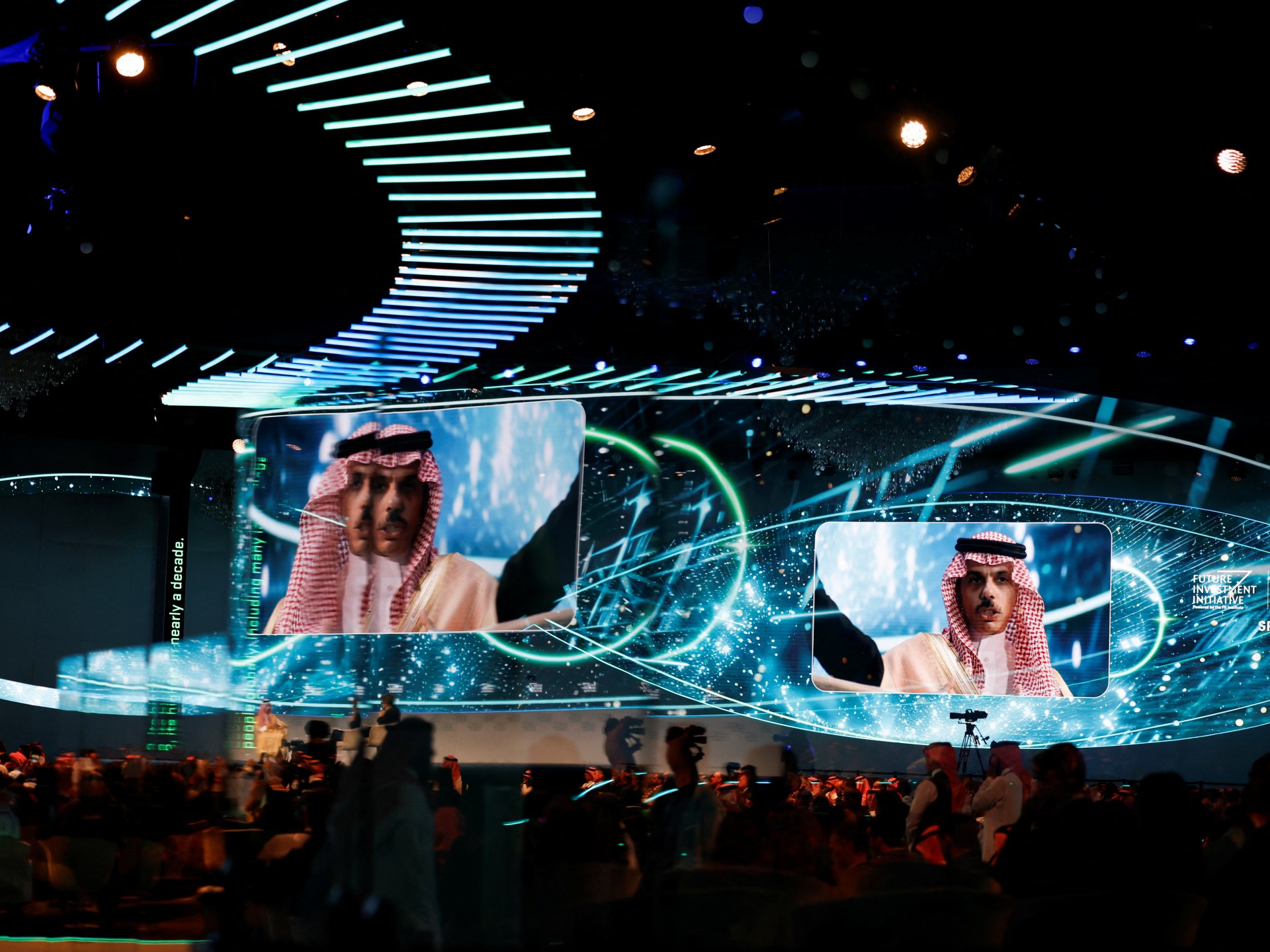
In an unexpected strategic reassessment, the Kingdom of Saudi Arabia announced the deferral of its premier global investment forum, the Future Investment Initiative (FII), widely referred to as 'Davos in the Desert', postponing the summit until 2027. Alongside the cancellation of the high-profile economic showcase, authorities in Riyadh directed federal government personnel to transition to remote work arrangements, reflecting heightened defensive posturing in the capital.
The decision comes in the wake of intensifying cross-border aerial incursions and maritime threats attributed to Yemen's Houthi movement. Despite extensive diplomatic overtures and protracted negotiations facilitated by regional intermediaries over the past eighteen months, recent developments demonstrate that critical infrastructure corridors across the Arabian Peninsula remain vulnerable. The cancellation of the conference, historically utilized by Crown Prince Mohammed bin Salman to project economic liberalization and draw foreign direct investment under Vision 2030, marks a significant public acknowledgment of persistent regional instability.
Defense analysts observe that civil protection alerts in Riyadh coincide with elevated threat telemetry targeting commercial aviation, energy logistics, and sovereign administrative centers. The recalibration of state security protocols underscores the delicate balance Riyadh must maintain between accelerating economic diversification and safeguarding sovereign territorial integrity.
Global Trade & Economic Ripples
The postponement has reverberated across global financial institutions and commodity bourses. International benchmark Brent crude reacted swiftly, trading higher as market participants priced in an expanded geopolitical risk premium across the Gulf energy matrix. Energy traders remain acutely sensitive to any operational disruption in Saudi upstream or export terminal infrastructure, particularly along the Red Sea maritime passage and the Bab el-Mandeb strait.
Beyond immediate crude valuations, the cancellation carries broad implications for foreign capital flows. Global asset managers, sovereign wealth funds, and multinational corporations that routinely utilize the summit to formalize billion-dollar joint ventures now face uncertainty regarding the timeline of several mega-projects under the Vision 2030 framework. Additionally, marine cargo underwriters have adjusted war-risk premiums for commercial vessels servicing Gulf and Red Sea ports, driving up freight and operational expenses across global supply chains.
Financial analysts point out that prolonged telework directives within Saudi administrative bodies may introduce operational bottlenecks for international businesses seeking regulatory clearances, potentially delaying capital deployment across real estate, industrial, and technology sectors.
Related Intelligence: Morocco Political Milestone Tests Balance Between Reform, Palace, and Religious Clerics
International Reactions & Diplomatic Stances
International responses have focused on regional de-escalation and maritime stability. The United Nations Special Envoy for Yemen reiterated an urgent appeal for maximum restraint, warning that renewed hostilities threaten to unravel fragile humanitarian truces and broader peace-building frameworks. Diplomatic missions in Riyadh issued updated travel and security advisories, urging foreign nationals to maintain heightened situational awareness.
In Western capitals, defense officials reaffirmed commitments to Gulf regional defense while underscoring the necessity of protecting international trade corridors. Market analysts from leading London and New York advisory firms characterized the development as a structural setback for near-term foreign direct investment sentiment, noting that international institutional capital demands predictable operating environments before committing long-term resources.
Regional partners, including the United Arab Emirates and Oman, emphasized the imperative of cooperative security frameworks to preserve trade lane continuity, warning that expanded kinetic skirmishes risk undermining broader Middle Eastern economic integration.
Strategic Outlook & Future Scenarios
The trajectory of regional stability hinges on the efficacy of deterrence mechanisms and backchannel diplomacy over the coming quarter. Riyadh is anticipated to deepen air-defense coordination with Western allies while concurrently exploring bilateral de-escalation channels through regional intermediaries to prevent protracted confrontation.
Should security vulnerabilities persist, international investors may adopt an increasingly cautious posture, recalibrating the velocity of foreign investment pledges across non-oil economic sectors. Conversely, a decisive diplomatic containment could allow Saudi authorities to restore normalized administrative operations and reinforce their economic transformation agenda. In the interim, global energy markets and multinational enterprises remain positioned for heightened volatility as the regional balance between economic reform and territorial defense undergoes a critical test.
Join Our Official WhatsApp Channel
Receive live commodity alerts, policy changes, and commercial intelligence directly on WhatsApp.