
West Bank Escalation Threatens Levant Stability and Regional Trade Routes
Escalating military operations in West Bank refugee camps have displaced local populations, compounding regional humanitarian stress and heightening geopolitical uncertainty across Levant economic corridors.
Geopolitical & Core Developments
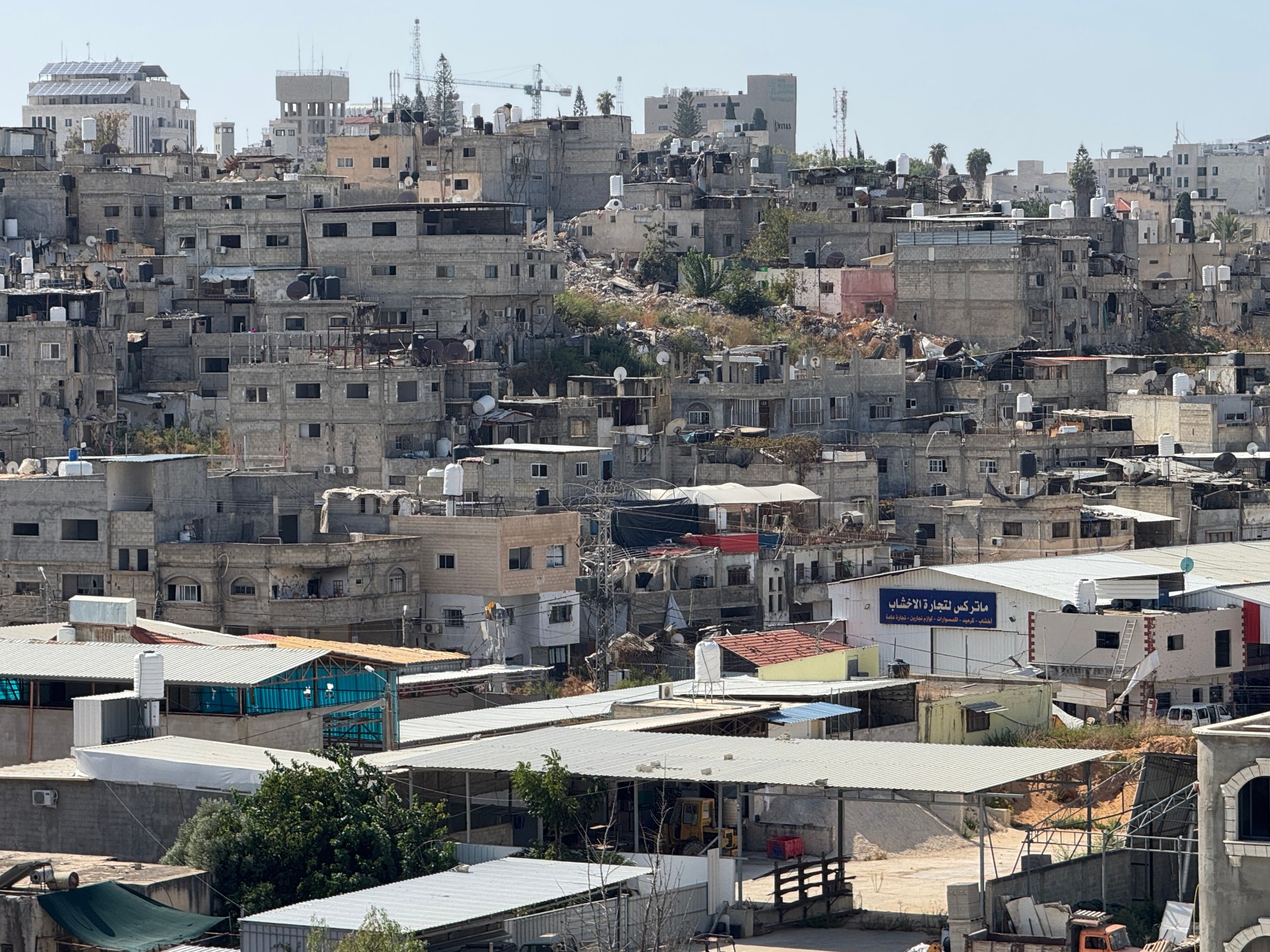
The security architecture of the occupied West Bank has deteriorated sharply following sustained security incursions into densely populated urban refugee centers, notably the Tulkarem and Jenin refugee camps. Israeli defense forces have ramped up localized ground raids, deploying armored engineering units, combat aviation, and specialized infantry formations targeting alleged militant infrastructure. These sustained operations have severely disrupted civil life, resulting in structural demolitions of arterial roads, municipal sewage networks, and domestic dwellings, forcing numerous Palestinian households to evacuate into makeshift shelters across peripheral townships.
Local authorities report that civilian displacement in northern West Bank camps is compounding an already acute humanitarian baseline. Displaced residents face indefinite separation from their homes as counter-insurgency activities intersect with tightening transit checkpoints throughout Area A and Area B jurisdictions. This fragmentation of territory constrains administrative governance under the Palestinian Authority, exacerbating an internal political vacuum. The expanding operational tempo points to a strategic paradigm shift in which security forces maintain protracted operational presence in urban enclaves, raising the threshold for violent escalations and eroding the prospects for diplomatic mediation.
Global Trade & Economic Ripples
While direct physical trade conduits through the West Bank represent a minor share of global merchandise flows, the progressive destabilization of the Palestinian territories exerts tangible downward pressure on regional economic resilience. The persistent risk of a broader multi-front conflagration introduces volatility into Eastern Mediterranean energy corridors. Global oil markets continue to price in an asymmetric geopolitical risk premium, given the vulnerability of proximate shipping lanes traversing the Red Sea and the Suez Canal, where allied regional militias actively disrupt container transit.
Simultaneously, sovereign credit metrics and foreign direct investment across neighboring Jordan, Egypt, and Lebanon face persistent headwinds. The near-total collapse of daily economic mobility within the Palestinian territories has decimated regional cross-border commerce, agricultural distribution networks, and light industrial output. Regional logistics operators report elevated freight insurance rates and increased maritime transit times, compelling commercial vessels to detour around southern Africa. Consequently, supply chain bottlenecks for basic industrial components, fertilizers, and consumer goods entering Middle Eastern markets remain elevated, placing upward pressure on local inflationary trajectories.
Related Intelligence: Middle East Digital Infrastructure Faces Escalating Iranian Threats
International Reactions & Diplomatic Stances
Multilateral bodies and foreign ministries have issued urgent warnings regarding the expanding footprint of conflict in the West Bank. The United Nations Relief and Works Agency (UNRWA) highlighted the systemic degradation of fundamental municipal infrastructure, underscoring that repeated physical incursions compromise the delivery of primary healthcare, potable water, and emergency food supplies to displaced persons. UN human rights officials have reiterated calls for strict compliance with international humanitarian law regarding the proportionality of force and the protection of non-combatants.
Diplomatic communiqués from European Union capitals and the Arab League have condemned the escalation of civilian displacement, warning that systemic damage to civilian infrastructure severely undermines long-term peace frameworks. In Washington, foreign policy officials have emphasized the necessity of de-escalating military pressure in the West Bank to avert a collapse of the Palestinian civil apparatus, while reaffirming Tel Aviv's sovereign security prerogatives. Conversely, emerging regional blocs have intensified demands for binding UN Security Council oversight to safeguard civilian populations and restrain sovereign territorial fragmentation.
Strategic Outlook & Future Scenarios
The trajectory of the West Bank theater hinges on whether military incursions remain localized or coalesce into prolonged low-intensity warfare. Should urban clearances and population displacements persist across northern camps, the risk of a generalized civil uprising increases substantially, threatening the residual administrative authority in Ramallah. Such an outcome would likely trigger emergency regional summits among Arab League signatories, potentially hardening diplomatic stances against normalized trade integration with Israel.
From a geoeconomic perspective, market participants must anticipate protracted volatility in Levantine logistics. Prolonged instability will likely dampen institutional investment in proposed transnational infrastructure initiatives, including regional energy grids and commercial rail networks intended to link the Arabian Peninsula with Mediterranean ports. Without a concerted diplomatic reset that addresses displacement and structural rehabilitation, the cycle of tactical incursions and regional uncertainty will continue to dictate economic performance across the broader Middle East.
Join Our Official WhatsApp Channel
Receive live commodity alerts, policy changes, and commercial intelligence directly on WhatsApp.