
Air France Faces Legal Scrutiny Over Compliance With Israeli Crew Directives
Air France has agreed to comply with Israeli directives restricting specific foreign crew members, raising significant legal conflicts regarding European non-discrimination statutes and operational liabilities.
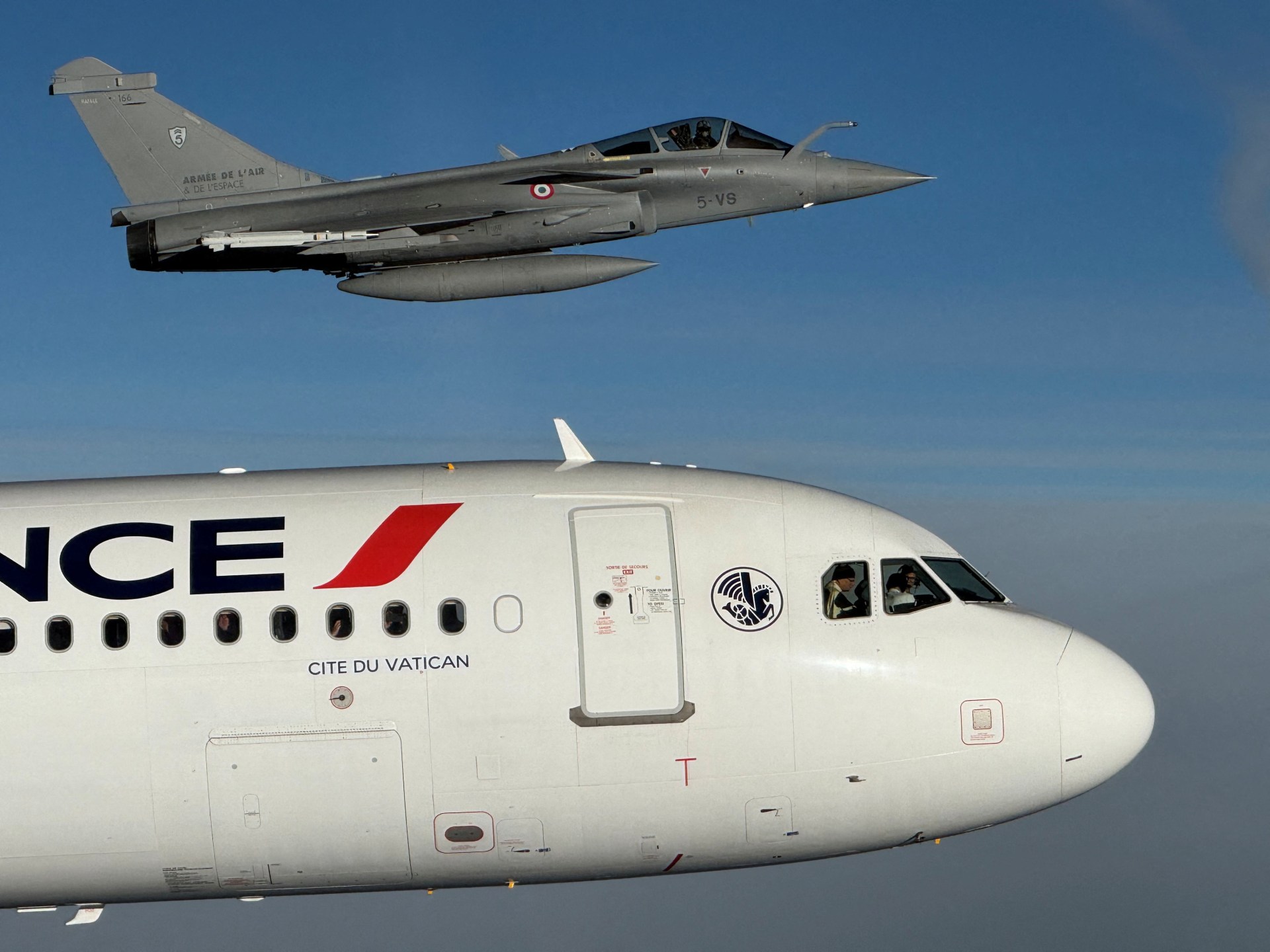
Geopolitical & Core Developments
Air France has confirmed that it will enforce directives issued by Israeli authorities restricting aircrew of certain nationalities from operating commercial flights into Tel Aviv. The operational decision underscores the heightened security posture adopted by Israel amidst widening regional hostilities across the Middle East, with border control and aviation screening measures tightening to unprecedented levels.
According to aviation sources, Israeli security mandates require carriers serving Ben Gurion International Airport to cross-check operating crew manifests against restricted nationality lists prior to departure. Air France’s capitulation to these unilateral mandates places the carrier in a contentious position domestically and internationally. Under French statutory employment frameworks and broader European Union directives, corporate practices that filter or reassign staff based on national origin or citizenship constitute direct labor discrimination. The move has triggered immediate pushback from cabin crew unions, who argue that state-directed geopolitical profiling violates long-standing collective bargaining conventions and fundamental civil liberties within European commercial aviation.
Global Trade & Economic Ripples
While passenger aviation forms the visible frontier of this dispute, the commercial fallout extends directly into commercial logistics and airline operational resilience. Major European carriers serving Middle Eastern routes already operate under compressed operational margins caused by airspace closures across Iran, Iraq, and the Levant. Forced crew restructuring imposes severe scheduling frictions, driving up operational overheads and crew-positioning expenditure.
From a logistics standpoint, belly-hold cargo operations linking Western Europe with Tel Aviv face additional regulatory hurdles. Freight forwarders relying on scheduled passenger routes for high-value pharmaceuticals, advanced electronics, and perishable goods face growing vulnerabilities as compliance risks complicate daily flight schedules. Furthermore, if European labor unions pursue legal injunctive relief, airlines could be forced to choose between suspending lucrative route networks to Israel altogether or incurring compounding statutory penalties within their domestic jurisdictions.
Related Intelligence: IMF Urges Developing Nations to Cut Spending Amid Iran Conflict Shock
International Reactions & Diplomatic Stances
Diplomatic channels between Paris and Tel Aviv remain notably strained. French labor representatives have condemned the airline’s stance, demanding emergency interventions from the Ministry of Transport and judicial reviews regarding corporate adherence to the French Labor Code. The European Transport Workers' Federation has raised concerns that allowing state security profiling to dictate European staffing structures establishes a dangerous legal precedent across commercial transit.
Israeli officials defend the protocols as indispensable security measures essential for safeguarding sovereign borders during a multi-front regional conflict. Conversely, multilateral human rights watchdogs and legal experts point out that third-party compliance with nationality-based exclusions undermines international non-discrimination standards codified under the International Civil Aviation Organization (ICAO) frameworks and International Labour Organization conventions.
Strategic Outlook & Future Scenarios
Moving forward, the dispute is expected to prompt rigorous judicial scrutiny in European courts. Labor unions are likely to file legal challenges challenging Air France’s compliance, potentially forcing European civil aviation authorities to issue harmonized guidance for all Community carriers navigating unilateral foreign immigration edicts.
Should the legal friction escalate, other international carriers operating trans-Mediterranean corridors—such as Lufthansa, British Airways, and transatlantic operators—may be dragged into parallel disputes. If airlines cannot insulate their multinational workforce from foreign security bans without violating domestic law, several international operators may elect to halt commercial services into Tel Aviv altogether, further isolating Israeli passenger and freight connectivity at a critical economic juncture.
Join Our Official WhatsApp Channel
Receive live commodity alerts, policy changes, and commercial intelligence directly on WhatsApp.