
Israeli Military Raids West Bank Hospital and Civil Society Offices
Israeli security forces have raided Palestinian non-governmental organizations and encircled a major hospital complex in Ramallah, triggering widespread condemnation and escalating broader Middle Eastern geopolitical and economic risks.
Geopolitical & Core Developments
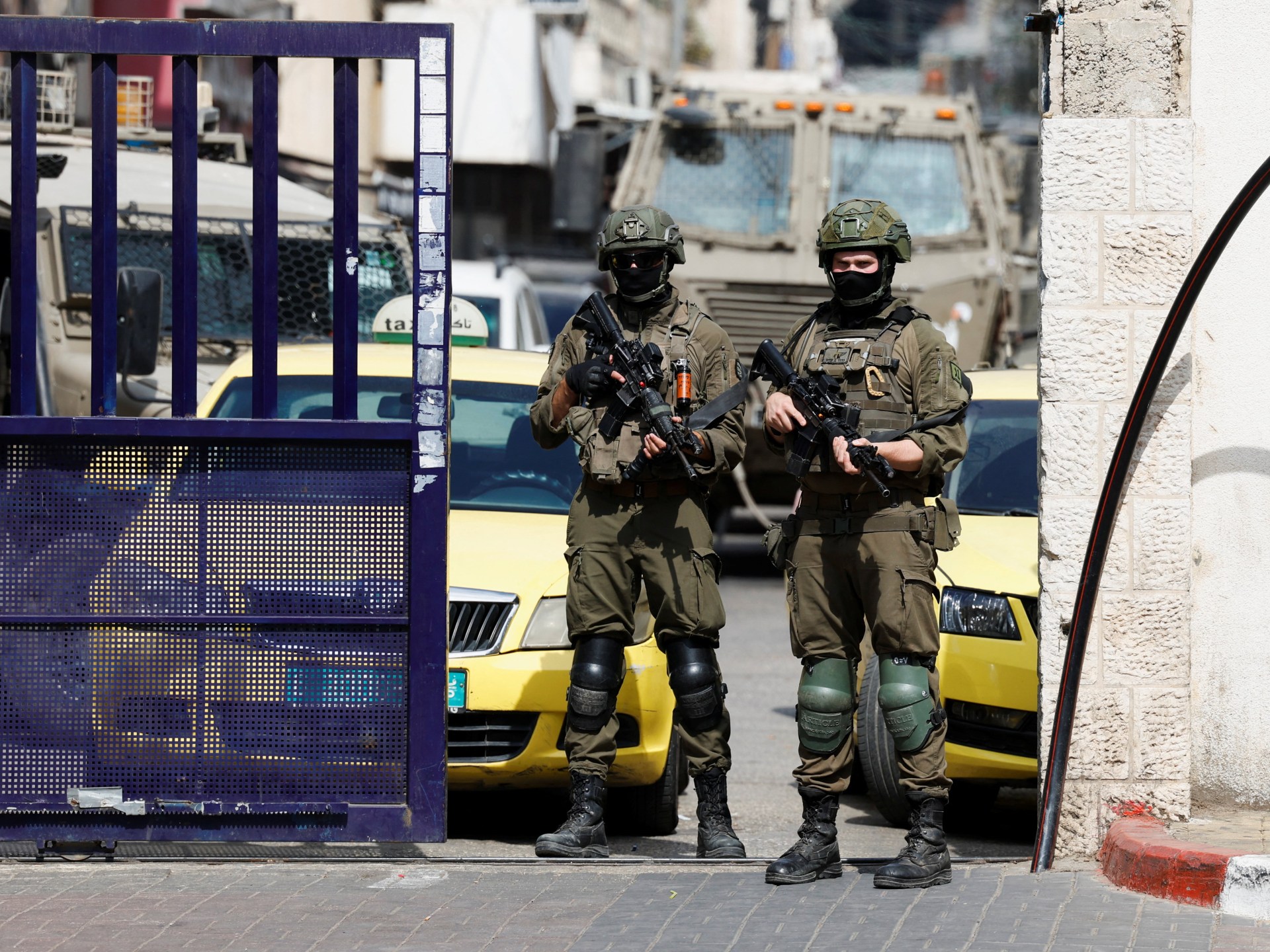
Tensions across the occupied West Bank escalated sharply following an overnight security operation by Israeli defense forces in Ramallah, the administrative hub of the Palestinian Authority. Operating under directives linked to counter-insurgency mandates, specialized military units stormed the headquarters of several prominent Palestinian civil society organizations and human rights advocacy groups. Simultaneously, armed personnel encircled the Palestine Medical Complex, establishing elevated tactical sniper positions outside key facility entrances, according to official reports from Palestinian news agency WAFA.
The deployment near vital healthcare infrastructure marked a significant operational shift within Area A, an urban zone technically designated under civilian and security control by the Palestinian Authority pursuant to the Oslo Accords. Eyewitnesses documented property destruction, the confiscation of administrative hardware, and physical confrontations that left local civilians injured. Israeli authorities defended the sweep as necessary intelligence-driven operations targeting illicit financing networks. However, Palestinian officials, regional observers, and independent legal bodies condemned the incursions as systematic degradation of civil autonomy, occurring against the backdrop of sustained violence throughout the broader Levant.
Global Trade & Economic Ripples
While the direct territorial footprint of West Bank operations remains geographically localized, structural repercussions reverberate across global financial networks and commodity supply systems. The persistence of severe regional friction injects sustained geopolitical risk premiums into crude oil benchmarks, notably Brent and West Texas Intermediate. International energy markets increasingly evaluate West Bank confrontations through the lens of regional contagion risk, where localized friction risks expanding across key regional borders and vital shipping arteries like the Red Sea.
Furthermore, cross-border commercial links and logistics within the Eastern Mediterranean confront elevated freight insurance rates and regulatory turbulence. Financial institutions operating in the Levant report increased transactional compliance friction, while sovereign debt yields for neighboring developing economies face renewed pressure from risk-averse institutional investors. Foreign direct investment across the broader Middle East continues to recalibrate toward insulated energy hubs, with international enterprises deferring long-term capital allocations in border infrastructure until institutional stability is credibly re-established.
Related Intelligence: Middle East Economies Face Historic Contraction Amid Widening Regional War
International Reactions & Diplomatic Stances
The raid on civil institutions and targeted positioning around medical facilities prompted immediate friction across multilateral forums. United Nations officials issued warnings detailing obligations under international humanitarian law, particularly the Fourth Geneva Convention, which guarantees absolute protection to established medical facilities and humanitarian workers during active operational sweeps. Spokespersons for the European Union reiterated calls for accountability, underscoring that legitimate security operations must remain proportional and strictly exclude critical civil and healthcare infrastructure.
Diplomatic counterparts across the Arab League, including key regional brokers Jordan and Egypt, condemned the actions as deliberately provocative maneuvers designed to dismantle Palestinian institutional governance. Washington-based officials maintained their baseline commitment to Israeli operational security while reiterating the urgent necessity of de-escalation, urging regional counterparts to avoid policies capable of triggering an irreversible collapse of the Palestinian Authority's administrative capacity.
Strategic Outlook & Future Scenarios
The broader trajectory indicates an intensifying operational convergence between military incursions and administrative pressure within the West Bank. Analysts monitor two primary forward pathways: a broader civil collapse requiring international intervention to forestall institutional insolvency, or an expanded cycle of reciprocal security crackdowns that decisively paralyze trade flows across Jordan Valley checkpoints.
Upcoming multilateral sessions at the United Nations General Assembly and high-level meetings between G7 financial ministers will likely address regulatory measures and emergency budgetary assistance designed to buffer sovereign defaults across frontline states. Should standard operational patterns continue to target protected infrastructure, institutional investors should anticipate increased exposure to selective sanctions, heightened regulatory scrutiny, and a sustained geopolitical premium across global supply corridors.
Join Our Official WhatsApp Channel
Receive live commodity alerts, policy changes, and commercial intelligence directly on WhatsApp.