
West Bank Civil Defense Surges as Settler Violence Escalates
Escalating settler incursions in the occupied West Bank have compelled Palestinian communities to establish civilian night patrols, amplifying regional geopolitical frictions and jeopardizing local commercial trade.
Geopolitical & Core Developments
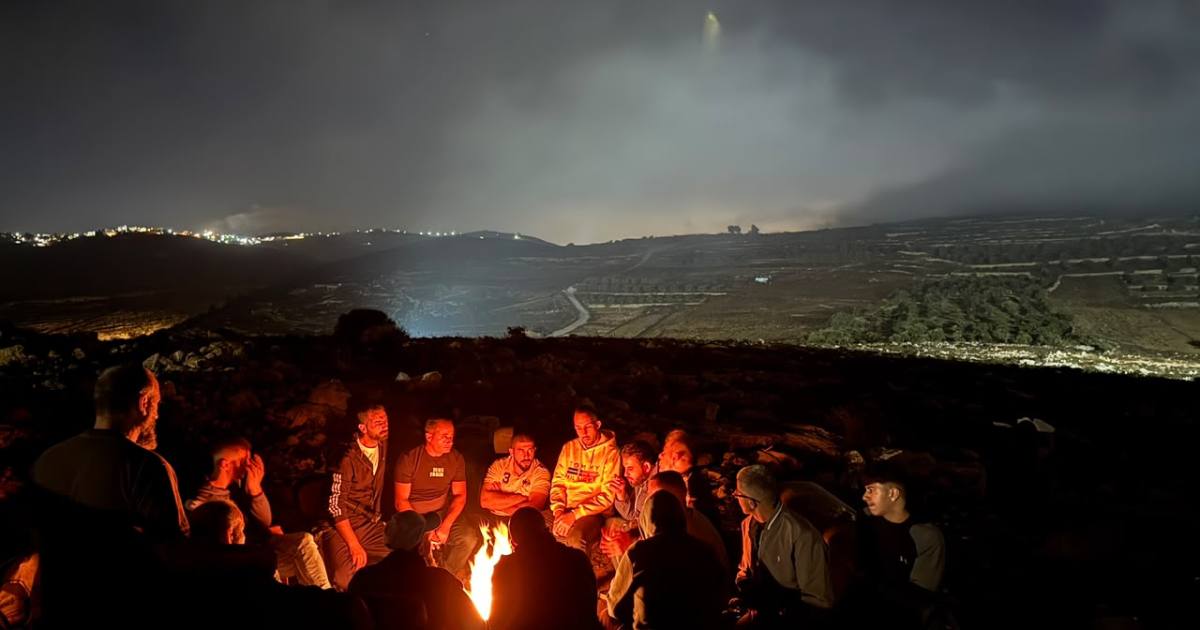
In the shadow of the ongoing war in Gaza, the occupied West Bank has experienced a dramatic surge in coordinated violence by extremist Israeli settlers against Palestinian rural communities. In response to recurring arson, livestock theft, and armed intimidation, local residents have formed organized night watch contingents. These unarmed civilian groups monitor access roads, alert neighborhoods to impending incursions, and document incidents to prevent the forced displacement of agrarian populations.
The strategic stakes across Area C of the West Bank—administered under direct Israeli military control—have intensified sharply over the past six months. According to documentation compiled by human rights monitoring groups and United Nations observers, settler incursions have accelerated with near impunity, frequently occurring in proximity to Israeli security forces. The systemic pressure on outlying villages such as Burqa, Qusra, and Masafer Yatta represents a calculated campaign of territorial fragmentation. By isolating Palestinian rural enclaves, radical settlement movements aim to solidify continuous corridors linking unauthorized outposts to established urban settlements, severely undermining the physical viability of a contiguous sovereign Palestinian state.
Global Trade & Economic Ripples
While the humanitarian dimensions dominate global headlines, the escalation carries significant economic repercussions for regional trade networks and agricultural commodity supply chains. The West Bank agricultural sector, an essential anchor for Palestinian domestic stability, has sustained severe operational disruption. Olive harvesting, which accounts for substantial domestic employment and export revenue via specialized Jordanian transit routes, suffered unprecedented losses during the latest cycle due to physical exclusion zones imposed by settlers and security checkpoints.
Furthermore, heightened regional volatility feeds directly into the elevated risk premium governing Middle Eastern trade corridors. Heightened operational risks along regional logistical routes, paired with broader Levant instability, have exacerbated freight insurance premiums across overland and maritime supply lines. The persistent threat of wider conflict spillovers maintains downward pressure on regional investor sentiment, elevating the cost of capital for cross-border projects across Jordan, Egypt, and the eastern Mediterranean basin.
Related Intelligence: French Unrest Triggers Supply Chain Jitters Amid European Economic Disruption
International Reactions & Diplomatic Stances
Multilateral bodies and major world capitals have issued increasingly sharp condemnations regarding the pattern of settler impunity. The United Nations Office for the Coordination of Humanitarian Affairs (OCHA) has warned that the scale of forced displacement in the West Bank threatens to dismantle community infrastructure entirely. European Union foreign policy officials have repeatedly characterized the ongoing settler rampages as a flagrant breach of international humanitarian law and the Geneva Conventions.
Diplomatically, the crisis has spurred unprecedented unilateral actions from Western allies. The United States, the United Kingdom, France, and Canada have implemented targeted financial sanctions and visa restrictions against individual extremist settlers and affiliated non-governmental entities accused of inciting or executing violence. While the sanctions signal a shift from traditional diplomatic rhetoric toward punitive economic measures, international observers argue that enforcement remains limited in the absence of comprehensive structural penalties levied directly against institutional backers within the Israeli political apparatus.
Strategic Outlook & Future Scenarios
The trajectory of the West Bank remains dangerously fluid, with potential flashpoints capable of igniting broader regional confrontation. Should community defense efforts clash fatally with armed settler contingents, the risk of rapid militarization across rural enclaves increases exponentially. Such an escalation would likely overwhelm the security architecture of the Palestinian Authority, precipitating institutional collapse and forcing neighboring Arab states into direct diplomatic confrontation with Israel.
Over the medium term, international efforts to revive post-conflict governance frameworks will hinge on resolving the settlement expansion dynamic. Expect expanding coalitions of European and G7 nations to broaden the scope of asset freezes and commercial prohibitions targeting commercial entities operating within illegal outposts. Unless tangible enforcement mechanisms are established to protect Palestinian populations and property, the cycle of nighttime vigilance, agrarian displacement, and retaliatory friction will remain an enduring catalyst for destabilization across the broader Middle East.
Join Our Official WhatsApp Channel
Receive live commodity alerts, policy changes, and commercial intelligence directly on WhatsApp.