
Ethiopian Conflict Coverage Highlights Geopolitical Fragility and Horn of Africa Instability
Journalistic dispatches from Ethiopia's conflict zones underscore ongoing humanitarian and economic vulnerabilities, threatening regional logistics and commercial integration across the Horn of Africa.
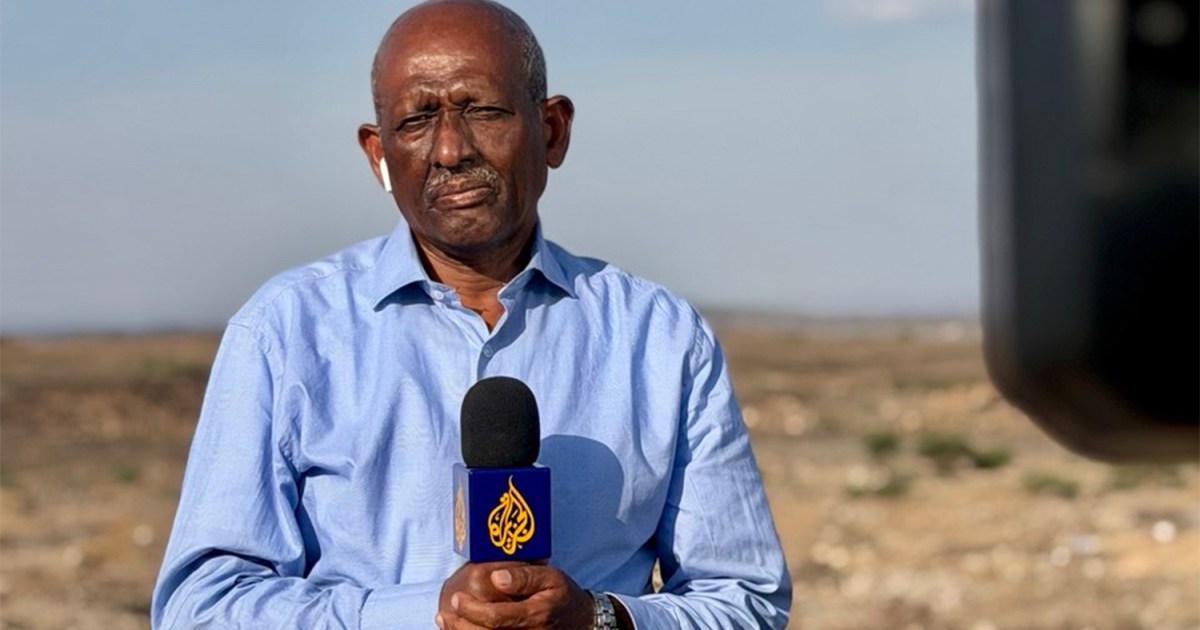
Geopolitical & Core Developments
The documentation of conflict across northern Ethiopia, particularly between federal forces and regional entities such as the Tigray People's Liberation Front (TPLF), illustrates the deep strategic fractures persisting in the Horn of Africa. While the African Union-brokered Cessation of Hostilities Agreement signed in Pretoria offered a foundational framework for peace, field accounts from international correspondents demonstrate the immense challenges of disarmament, demobilization, and governance reconstruction. The geopolitical landscape remains fraught with localized friction, not only within Tigray but extending into neighboring Amhara and Afar regions, where complex identity politics, land disputes, and military realignments continue to test federal authority.
Ethiopia's internal cohesion directly influences stability across East Africa. Positioned as the diplomatic seat of the African Union and the region’s demographic heavyweight, any prolonged internal dislocation reverberates through neighboring states, including Sudan, Eritrea, and Somalia. The cross-border deployment of forces, weapon proliferation, and shifting alliances highlight a delicate security balance, where federal governance must continually navigate regional autonomy demands against central authority mandates.
Global Trade & Economic Ripples
The commercial consequences of sustained domestic instability in Ethiopia extend across East African commerce and broader international trade lanes. Ethiopia relies extensively on maritime access through the Port of Djibouti, a vital logistics artery linked closely to the Bab el-Mandeb Strait and the Red Sea. Regional insecurity adjacent to key transport corridors inflates freight insurance premiums, disrupts cross-border trucking operations, and delays containerized cargo movements.
Economically, the diversion of federal resources toward defense and post-conflict stabilization has exacerbated macroeconomic distress. Ethiopia faces acute foreign currency shortages, elevated inflation rates, and protracted sovereign debt negotiations under the G20 Common Framework. Agricultural output, particularly high-value exports such as coffee, oilseeds, and pulses, has faced structural disruptions due to supply chain fragmentation and local instability. Global commodity traders monitoring soft commodity flows have experienced delivery uncertainty, while foreign direct investment into industrial manufacturing parks has slowed amid political risk reassessments.
Related Intelligence: US-Iran Diplomatic Thaw Demands Strategic Patience and Sustained Engagement
International Reactions & Diplomatic Stances
Multilateral bodies and sovereign governments have maintained sustained engagement with Addis Ababa, balancing calls for human rights accountability with the strategic necessity of maintaining Ethiopian state stability. The United Nations and specialized humanitarian agencies have persistently appealed for unfettered access to vulnerable populations, emphasizing the severe food insecurity facing millions in conflict-affected zones.
The United States and the European Union have linked substantial financial assistance and trade privileges to verifiable milestones in human rights protection, transparent investigations, and political reconciliation. Washington's suspension of Ethiopia’s duty-free access under the African Growth and Opportunity Act (AGOA) remains a benchmark of economic pressure, compelling domestic authorities to seek alternative capital inflows from Gulf partners and multilateral development lenders. Conversely, regional powers and non-Western partners have emphasized non-interference, advocating for domestic dispute resolution within African Union mechanisms.
Strategic Outlook & Future Scenarios
The medium-term trajectory of Ethiopia depends on the institutionalization of transitional justice, the successful reintegration of combatants, and macroeconomic debt stabilization. Failure to resolve underlying administrative and territorial grievances risks recurrent skirmishes, potentially reigniting violence in peripheral regions and further weakening central economic planning.
Key inflection points in the coming quarters include progress in international sovereign debt restructuring talks with the International Monetary Fund and bilateral creditors, the full rollout of national dialogue forums, and diplomatic coordination concerning regional port access arrangements. Should institutional stability take hold, Ethiopia retains substantial potential as an industrial and agricultural hub; however, persistent operational risks and geopolitical volatility will require international investors and trading partners to maintain vigilant risk mitigation strategies.
Join Our Official WhatsApp Channel
Receive live commodity alerts, policy changes, and commercial intelligence directly on WhatsApp.