
Washington Prepares for Landmark US-China Summit Amid Shifting Geopolitical Tides
President Trump and Chinese President Xi Jinping prepare for a historic Washington summit to address critical trade, technological supremacy, and geopolitical stability.
Geopolitical & Core Developments
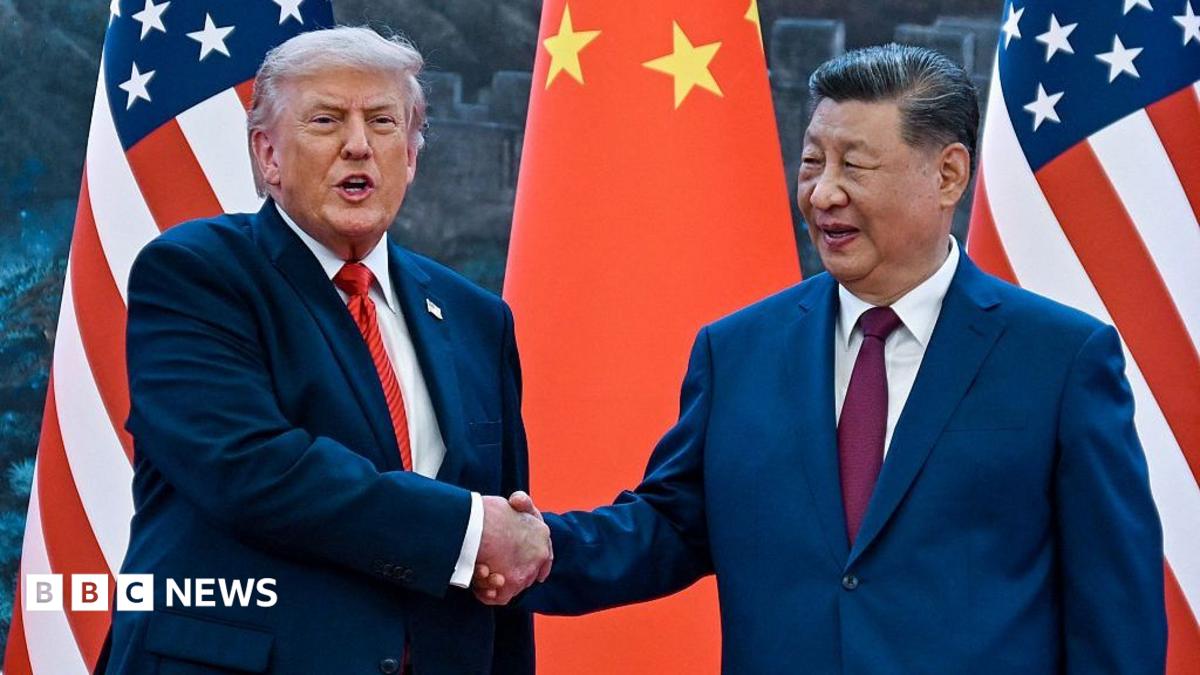
Washington is preparing for a high-stakes diplomatic engagement as the White House rolls out the red carpet for Chinese President Xi Jinping's multi-day state visit. This historic summit between President Donald Trump and President Xi marks a pivotal juncture in contemporary international relations, bringing together the leaders of the world's two largest economies at a time of profound structural friction. The agenda for the multi-day dialogue is expansive, encompassing core national security concerns, technological dominance in artificial intelligence, and a comprehensive reassessment of bilateral trade architectures.
Diplomatic channels have worked overtime to lay the groundwork for this encounter, recognizing that direct leader-level communication remains indispensable for preventing inadvertent escalation. The talks are expected to span several strategic domains, including maritime security in the Indo-Pacific, intellectual property enforcement, and frameworks for managing technological competition. While profound strategic mistrust persists, both administrations recognize the domestic and global imperatives of maintaining open channels of communication to stabilize bilateral ties and set predictable parameters for strategic competition.
[Global Trade](/news/trump-xi-summit-geopolitical-friction-and-global-trade-stakes) & Economic Ripples
The outcomes of the Washington summit carry monumental implications for global commodity markets, international supply chains, and cross-border commerce. Traders and multinational corporations are monitoring the discussions closely for any signals regarding tariff reductions, trade pact enforcement, or exemptions on critical technology components. Any shifts in US trade policy toward China immediately reverberate across global energy markets, agricultural futures, and industrial metals pricing.
Furthermore, the dialogue on artificial intelligence and advanced semiconductor supply chains directly impacts global manufacturing ecosystems. Supply chain resilience has emerged as a paramount priority for industrial planners worldwide. Disruptions or retaliatory measures discussed during the summit could alter shipping lanes, freight rates, and inventory strategies for logistics providers operating across the Trans-Pacific corridor. Currency markets are similarly on high alert, with foreign exchange traders gauging whether the diplomatic engagement will introduce greater stability or volatility to the yuan-dollar exchange rate.
Related Intelligence: Severe El Nino Threatens Global Supply Chains and Half a Million Lives
International Reactions & Diplomatic Stances
Global capitals and multilateral organizations have responded to the announcement of the summit with a mixture of cautious optimism and intense scrutiny. United Nations officials have emphasized the necessity of constructive cooperation between Washington and Beijing to address pressing global challenges, including climate change, macroeconomic stability, and international debt relief for emerging market economies.
Market analysts and geopolitical risk consultancies suggest that while a sweeping, comprehensive trade accord remains unlikely during a single visit, incremental agreements on agricultural purchases, diplomatic communication mechanisms, and climate working groups are entirely plausible. European allies and Indo-Pacific partners are closely watching the proceedings, acutely aware that any bilateral grand bargain between Washington and Beijing could fundamentally reshape their own strategic and economic calculations.
Strategic Outlook & Future Scenarios
Looking beyond the pomp and ceremony of the Washington visit, the long-term trajectory of US-China relations will depend heavily on the institutional follow-through generated by this summit. Upcoming multilateral forums, including upcoming G20 meetings and Asia-Pacific Economic Cooperation summits, will serve as critical testing grounds for whether the momentum established in Washington can be sustained.
Geopolitical escalation points, particularly concerning territorial disputes and technological export controls, remain potent risks that could quickly eclipse diplomatic gains. However, the willingness of both leaders to engage in face-to-face negotiations signals a shared recognition that managed competition is vastly preferable to unmitigated conflict. As Kalyar Traders World Desk monitors these developments, market participants are advised to maintain robust risk management strategies and closely track regulatory announcements emerging from the summit.
Join Our Official WhatsApp Channel
Receive live commodity alerts, policy changes, and commercial intelligence directly on WhatsApp.