
Syria Demands Israeli Withdrawal as Post-War Recovery Faces Severe Geopolitical Threats
Syrian President Ahmed al-Sharaa warns that ongoing Israeli military operations jeopardize the nation's fragile post-war recovery, triggering heightened concerns across international commodity and geopolitical markets.
Geopolitical & Core Developments
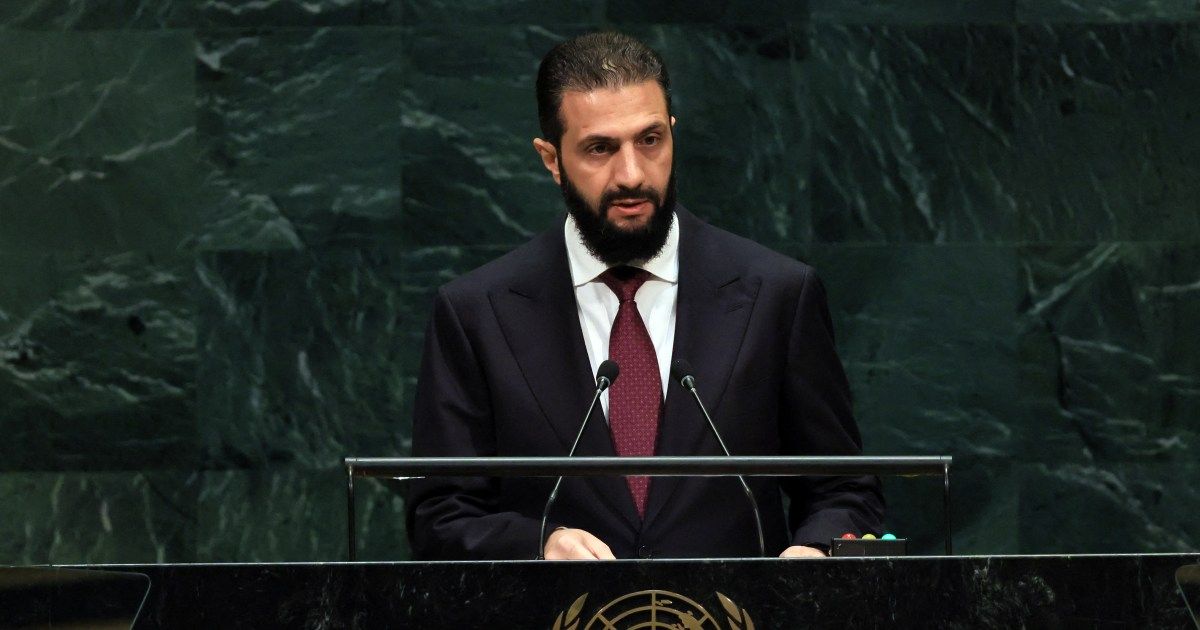
Syria stands at a critical historical juncture as President Ahmed al-Sharaa forcefully calls for an immediate and unconditional Israeli military withdrawal from sovereign Syrian territory. Following the protracted and devastating civil war that reshaped the Levant over the past decade, Damascus is attempting to reassert central governance, secure its borders, and initiate nationwide reconstruction. However, continuous military incursions and airstrikes attributed to Israel have severely hampered these stabilization efforts.
President al-Sharaa’s administration has characterized these operations as a direct violation of international law and a severe impediment to national sovereignty. The strategic stakes are exceptionally high. As the new Syrian government seeks to project stability and re-engage with regional neighbors, the presence of foreign military forces and ongoing kinetic exchanges risk plunging the country into a renewed cycle of instability. The confrontation is no longer merely a localized security dilemma; it has evolved into a central flashpoint for broader Middle Eastern geopolitics, drawing scrutiny from major global powers invested in regional equilibrium.
Global Trade & Economic Ripples
The persistence of military hostilities in Syria carries profound implications for global trade, energy markets, and regional supply chains. The Levant serves as a critical geographical nexus connecting the Mediterranean basin with the broader Middle East. Ongoing conflict severely impedes the revitalization of vital transit corridors, international trade routes, and logistics networks essential for moving goods between Europe, the Gulf states, and Central Asia.
Furthermore, commodity markets—particularly regional energy benchmarks, agricultural exports, and construction materials vital for post-war rebuilding—remain highly sensitive to security disruptions in Syria. Persistent instability dampens investor confidence, elevating risk premiums for trade financing and shipping insurance across the Eastern Mediterranean. Global supply chain operators are increasingly factoring geopolitical risk into their long-term planning, as any escalation in Syria threatens to disrupt broader energy pipelines and commercial shipping lanes.
Related Intelligence: Harvey Weinstein Sentenced to 15 Years in New York Prison
International Reactions & Diplomatic Stances
The international community has responded to Damascus's appeals with cautious diplomacy and growing concern over the potential for wider escalation. Officials at United Nations headquarters in New York have repeatedly emphasized the necessity of respecting Syrian sovereignty and territorial integrity, urging all regional actors to exercise maximum restraint.
Multilateral bodies and economic analysts warn that sustained military friction undermines the international community's multi-billion-dollar framework for post-conflict humanitarian assistance and structural rebuilding. While Western capitals maintain stringent scrutiny over the political trajectory of the post-war Syrian administration, economic observers note that lasting commercial reintegration and foreign direct investment remain entirely contingent upon verifiable regional security and a definitive cessation of cross-border hostilities.
Strategic Outlook & Future Scenarios
Looking ahead, the trajectory of Syria's recovery will depend heavily on diplomatic engagements, upcoming regional summits, and the willingness of external actors to de-escalate tensions. Analysts project two primary scenarios for the near term. The first involves mediated diplomatic channels leading to formalized buffer arrangements and a tapering of military operations, thereby enabling international capital and reconstruction consortiums to enter the Syrian market safely.
The alternative scenario points toward protracted low-intensity conflict, with recurring military flare-ups that permanently freeze foreign investment and isolate the Syrian economy from global commerce. As upcoming international diplomatic forums approach, policymakers face mounting pressure to establish robust security frameworks that safeguard regional stability and protect fragile emerging markets from further disruption.
Join Our Official WhatsApp Channel
Receive live commodity alerts, policy changes, and commercial intelligence directly on WhatsApp.