
US-Iran Rhetorical Escalation Threatens Global Energy Markets Amid Stalled Talks
Renewed verbal warfare between Washington and Tehran threatens global stability and commodity markets as diplomatic negotiations falter amid high-stakes military posturing.
Geopolitical & Core Developments
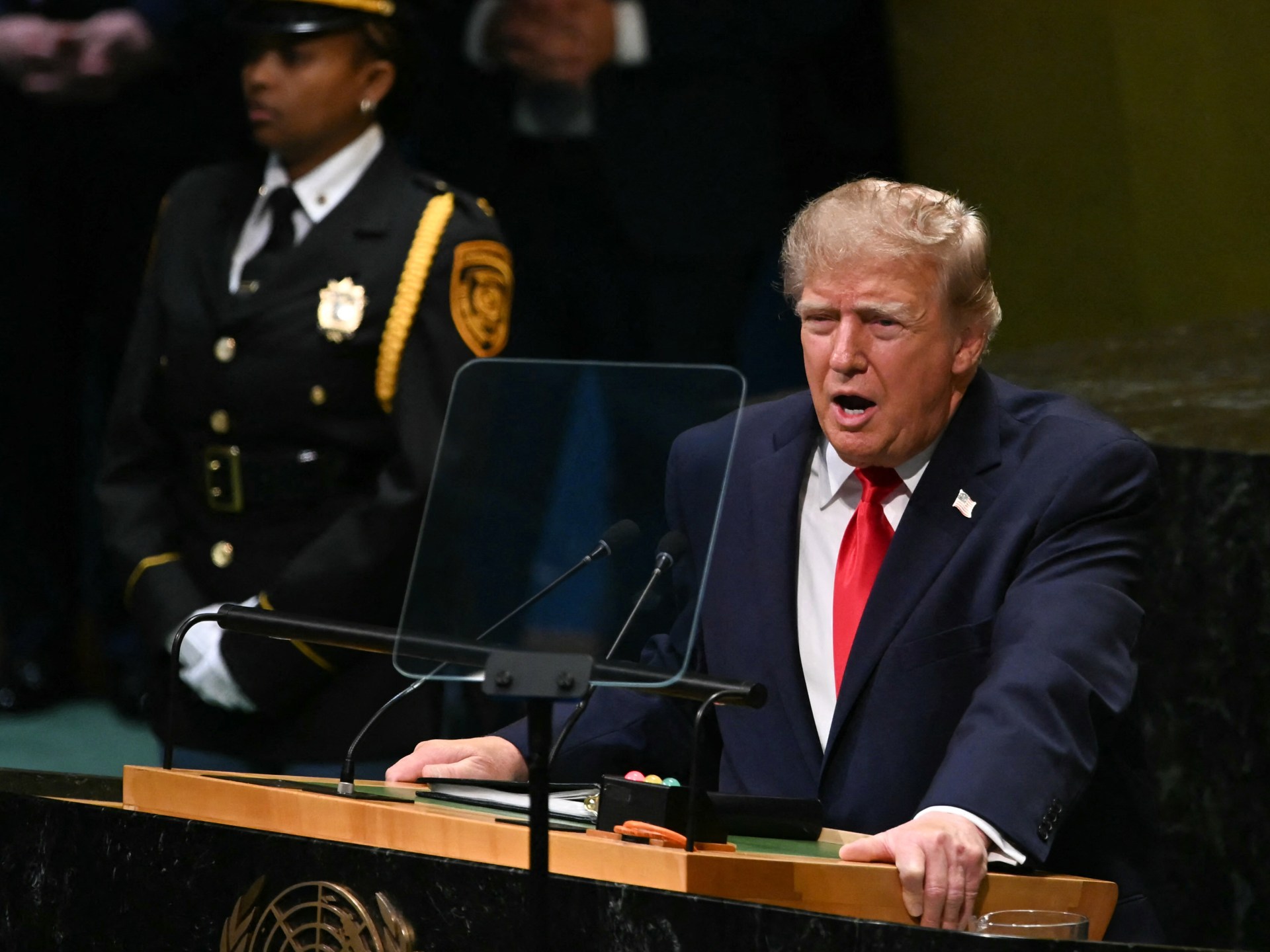
The fragile diplomatic architecture governing relations between Washington and Tehran has suffered a severe blow following an escalation in bellicose rhetoric from top political leadership. United States President Donald Trump issued stark warnings vowing to 'annihilate' Iran if regional proxies target American assets, even as he concurrently touted the potential for renewed bilateral negotiations. This volatile dichotomy of absolute military deterrence paired with eleventh-hour diplomatic overtures has created an atmosphere of acute strategic unpredictability across the Middle East.
Tehran swiftly responded to the threats through senior Islamic Revolutionary Guard Corps (IRGC) officials, characterizing the American posture as economic and psychological warfare designed to coerce Iranian capitulation. Iranian state media underscored that any kinetic strike would be met with 'crushing' retaliatory measures targeting regional security infrastructure and allied state interests. This tit-for-tat exchange dismantles months of cautious, Oman-mediated backchannel diplomacy aimed at reviving constraints on Iran's nuclear enrichment program and securing the release of detained foreign nationals.
Intelligence assessments indicate that military postures in the Persian Gulf have shifted to a heightened state of readiness. Both nations appear trapped in a security dilemma where domestic political imperatives mandate a show of strength, inadvertently narrowing the window for meaningful diplomatic engagement and increasing the risk of miscalculation in crowded maritime corridors.
Global Trade & Economic Ripples
International commodity markets reacted swiftly to the rising diplomatic friction, with Brent crude futures surging past key resistance levels as energy traders factored in a renewed premium for geopolitical risk. The Strait of Hormuz—a crucial chokepoint through which approximately one-fifth of the world's petroleum consumption passes—remains the epicenter of global supply chain vulnerability. Any physical disruption or harassment of commercial tankers traversing these waters threatens to instantly shock global energy supplies, driving inflation higher across importing economies in Asia and Europe.
Beyond hydrocarbons, industrial metals and agricultural commodities face secondary downward pressures as currency markets react to safe-haven flows. The US dollar strengthened against emerging market currencies as investors hedged against potential geopolitical shocks. Freight and maritime insurance rates for vessels operating in the Persian Gulf and the Gulf of Oman have climbed sharply, compounding existing logistical pressures across global supply chains that are already strained by Red Sea security complications.
Related Intelligence: Yemeni Forces Capture Mount Qarfan, Altering Red Sea Security Dynamics
International Reactions & Diplomatic Stances
Multilateral bodies and regional capitals have expressed profound alarm over the deteriorating security rhetoric. United Nations Secretary-General António Guterres issued a formal appeal urging both Washington and Tehran to exercise maximum restraint, emphasizing that miscalculations in the Gulf could ignite a region-wide conflagration with catastrophic humanitarian and economic consequences.
European Union foreign policy representatives have intensified emergency consultations with Gulf Cooperation Council (GCC) member states, striving to preserve the remnants of the Joint Comprehensive Plan of Action (JCPOA) framework or forge a credible interim containment agreement. Meanwhile, major Asian energy importers, heavily reliant on Middle Eastern crude, have engaged in quiet diplomatic outreach to both capitals, advocating for immediate maritime de-escalation protocols and the reopening of formal communication channels to safeguard vital trade arteries.
Strategic Outlook & Future Scenarios
Looking ahead, the trajectory of US-Iran relations hangs in a precarious balance between managed deterrence and accidental escalation. Analysts anticipate that upcoming international forums and regional summits will serve as crucial testing grounds for backchannel mediation. However, the domestic political landscapes in both countries leave little room for immediate compromise. Sanctions enforcement is expected to tighten further, with the US Treasury likely to ramp up secondary sanctions on illicit Iranian petroleum exports to Asia.
Should verbal hostilities translate into localized kinetic actions or proxy strikes, global markets must price in the severe risk of prolonged supply disruptions, forcing central banks to reassess monetary policy paths in the face of renewed energy-driven inflation.
Join Our Official WhatsApp Channel
Receive live commodity alerts, policy changes, and commercial intelligence directly on WhatsApp.