
Houthi Strikes on Saudi Aramco Trigger Regional Energy Security Alarm
Renewed Houthi strikes targeting Saudi Aramco facilities in Riyadh have escalated Middle Eastern geopolitical risks, raising immediate concerns over international crude price volatility and Pakistan import bill stability.
The Core Development
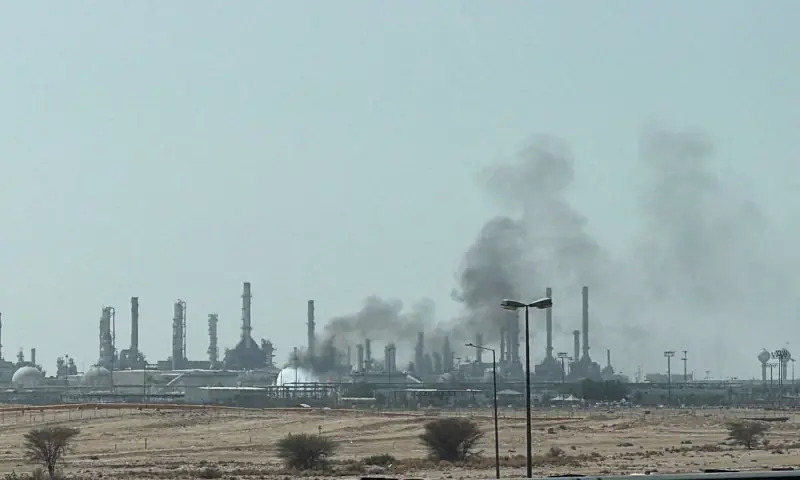
Regional security dynamics shifted toward acute volatility on Wednesday following claims by Yemen's Houthi movement that it executed coordinated strikes against critical infrastructure owned by state oil enterprise Saudi Aramco in Riyadh. Saudi defense authorities confirmed that defensive systems intercepted an inbound ballistic threat directed at the capital, though explosions reverberated across metropolitan districts and localized fires were reported near administrative and operational centers housing energy personnel.
This latest offensive underscores a pronounced escalation in cross-border engagements targeting the energy spine of the world's leading crude exporter. Over recent days, aerial drone swarms and ballistic missile launches have increasingly tested coalition air defenses around civilian airports, logistics hubs, and processing units. Military representatives affiliated with the Houthi leadership reiterated warnings that commercial airports and upstream extraction sites remain active operational targets, signaling an aggressive operational posture aimed at maximizing economic disruption across Gulf Cooperation Council territories.
Commercial & Economic Implications
For Pakistan's delicate macroeconomic framework, persistent threats against Gulf energy infrastructure carry immediate and direct ramifications. The domestic economy relies overwhelmingly on imported hydrocarbons, with Saudi Arabia serving as a cornerstone bilateral supplier through direct product deliveries and deferred-payment oil financing mechanisms. Any sustained disruption to Aramco production or export terminal reliability introduces severe upside risk to global Brent benchmarks, directly feeding into landed import costs.
In domestic wholesale and retail distribution markets, elevated global petroleum prices quickly transmit into surging logistics overheads. Increased landed costs for diesel, gasoline, and industrial fuels force domestic fuel price revisions under the statutory petroleum levy framework. For wholesale merchants, fast-moving consumer goods distributors, and agricultural suppliers across Punjab and Sindh, elevated transportation tariffs erode operational margins and accelerate broader headline inflation. Furthermore, expanded geopolitical tension drives up war-risk insurance premiums for commercial maritime traffic traversing the Arabian Sea and Gulf of Oman, compounding landed freight expenses for both dry bulk and wet bulk consignments entering Karachi ports.
Related Intelligence: Iraq Assures Saudi Arabia Territory Will Not Host Regional Attacks
Stakeholder Perspectives & Market Reactions
Energy trading desks and financial analysts across South Asia are monitoring the escalation with intense scrutiny. Brokerage houses in Karachi noted that sustained Brent crude pricing above baseline budgetary projections would immediately widen Pakistan's current account deficit, compounding foreign exchange reserve pressures. Corporate supply chain managers have voiced apprehension regarding potential downstream disruptions, particularly regarding the availability of petrochemical feedstocks and polymers utilized in domestic packaging and manufacturing.
Trader associations and chamber representatives have highlighted that domestic purchasing power remains fragile following consecutive cycles of monetary tightening and fiscal consolidation. The prospect of renewed cost-push energy inflation threatens consumer discretionary spending, dampening aggregate demand across secondary and tertiary retail segments. Official economic circles maintain that bilateral deferred-payment credit arrangements provide an initial liquidity cushion, yet acknowledge that structural shifts in global spot market pricing cannot be fully insulated from end-market retail tariffs.
Forward Outlook & Key Watchpoints
The trajectory of regional energy markets over the coming quarter hinges on defensive containment and international diplomatic maneuvers. Critical watchpoints include the operational integrity of Saudi pipeline networks, particularly alternative routes bypassing high-risk littoral corridors, and the responsiveness of international maritime security task forces operating in contiguous waterways.
Market participants must closely monitor upcoming retail fuel pricing reviews managed by the Oil and Gas Regulatory Authority (OGRA), as well as foreign exchange market liquidity at the State Bank of Pakistan. Should attacks against commercial transit corridors and Aramco logistics assets persist, downstream enterprises will confront compressed working capital cycles, necessitating conservative inventory management and revised credit terms throughout domestic retail and wholesale supply networks.
Join Our Official WhatsApp Channel
Receive live commodity alerts, policy changes, and commercial intelligence directly on WhatsApp.