
Fuel Costs Force Spanish NGO to Suspend Mediterranean Search and Rescue Operations
Surging marine fuel costs have forced Spanish NGO Salvamento Maritimo Humanitario to suspend central Mediterranean search and rescue missions, exacerbating humanitarian vulnerabilities along critical maritime transit routes.
Geopolitical & Core Developments
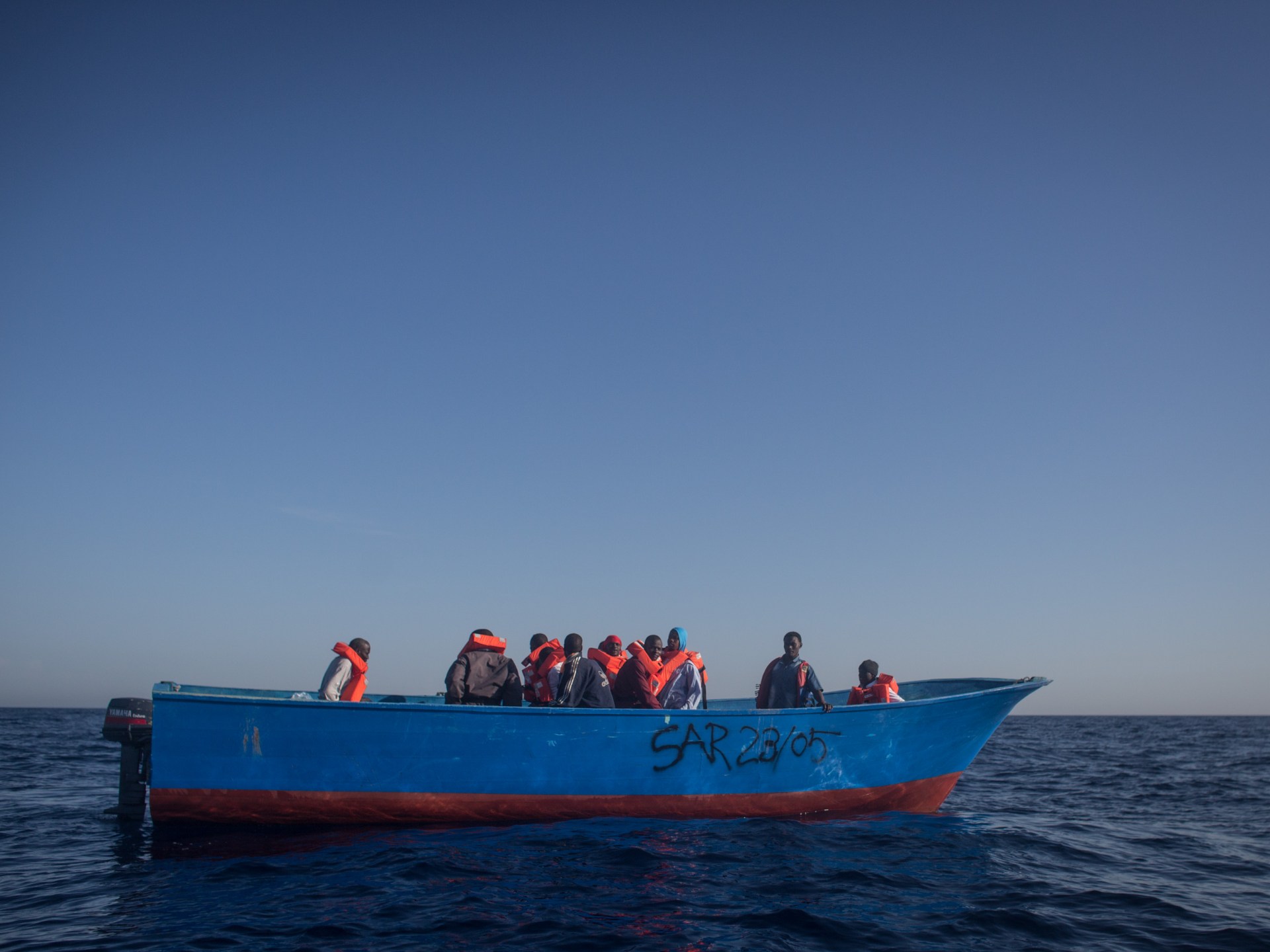
Spanish non-governmental organization Salvamento Maritimo Humanitario (SMH) has formally suspended search and rescue operations in the central Mediterranean Sea, citing unsustainable spikes in marine fuel prices and escalating operational expenses. The group, which operates the rescue vessel Aita Mari, confirmed that recurrent inflationary pressures and rigid maritime regulatory hurdles have drained its operating budget, rendering immediate maritime patrols financially unfeasible.
The central Mediterranean corridor—stretching primarily between the North African coastlines of Libya and Tunisia toward Italy and Malta—remains documented by the International Organization for Migration (IOM) as the deadliest sea crossing in the world. For years, civil society rescue fleets have functioned as an auxiliary buffer amid fragmented European Union border governance. The withdrawal of the Aita Mari marks a critical contraction in independent maritime monitoring at a time when migration flows from sub-Saharan Africa, the Middle East, and South Asia face heightened interception by North African coastguards operating with European financial backing.
SMH leadership indicated that single deployment cycles, which require heavy consumption of marine gas oil while patrolling international waters off North Africa, have seen costs escalate by over thirty percent year-on-year. Compounding these logistical burdens are port allocation policies enforced by southern European states, which frequently instruct rescue vessels to disembark survivors at distant northern Italian ports, multiplying transit times, engine wear, and bunkering overheads.
Global Trade & Economic Ripples
The suspension underscores how persistent structural pressures in global refining and downstream distillate markets are cascading into non-profit and public maritime operations. While international crude benchmarks experience cyclical oscillations, marine gas oil (MGO) and low-sulfur bunker fuels have maintained sustained premiums due to tightened global refining capacity, regional sanctions on Russian refined products, and altered maritime routing worldwide.
Commercial maritime operators navigating the Mediterranean basin face simultaneous compliance with stringent emissions standards and elevated logistical tariffs. For humanitarian missions entirely dependent on philanthropic donations and institutional micro-grants, energy budget elasticity is virtually non-existent. Commercial freight and short-sea shipping corridors across the Mediterranean also bear secondary consequences; when dedicated humanitarian vessels are absent, international maritime law (SOLAS Convention) places primary search and rescue obligations on passing commercial cargo vessels, oil tankers, and bulk carriers. Commercial detours to assist distress vessels introduce schedule disruption, demurrage claims, and supply chain friction across critical European supply lanes.
Related Intelligence: Pakistan and Oman Deepen Strategic Ties Amid Rising Middle East Tensions
International Reactions & Diplomatic Stances
Humanitarian bodies and international agencies have expressed alarm over the shrinking operational space for maritime relief. The United Nations High Commissioner for Refugees (UNHCR) reiterated that civil rescue vessels perform an indispensable role in safeguarding life at sea, urging coastal states to uphold multilateral search-and-rescue commitments and mitigate procedural hurdles facing non-governmental actors.
Within southern European capitals, the development reflects deeply contested domestic policy debates. Italian and Maltese officials have repeatedly insisted that unregulated NGO operations create a structural pull-factor for illicit human trafficking syndicates, maintaining that national sovereignty dictates border defense and organized maritime control. Conversely, human rights advocates and legal scholars argue that punitive administrative detentions, fines, and distant port assignments are deliberate state-level strategies engineered to exhaust the financial reserves of maritime NGOs.
Strategic Outlook & Future Scenarios
In the near-to-medium term, the absence of civil monitoring vessels in the central Mediterranean is expected to coincide with an increase in unrecorded shipwrecks and forced interceptions by regional maritime forces. Without emergency state funding or dedicated structural exemptions on bunker fuel excise taxes for registered humanitarian vessels, additional civil rescue operators across Spain, Germany, and France face comparable operational insolvency risks.
Upcoming ministerial negotiations under the European Union's Pact on Migration and Asylum will confront heightened scrutiny regarding search-and-rescue responsibilities. If fuel volatility persists alongside punitive administrative frameworks, the central Mediterranean operational environment will shift entirely toward militarized interdiction, compelling merchant fleets to absorb greater rescue burdens while escalating legal tensions across coastal sovereignty and maritime trade compliance.
Join Our Official WhatsApp Channel
Receive live commodity alerts, policy changes, and commercial intelligence directly on WhatsApp.