
E-Commerce Platforms Clamp Down on French Riot Loot Flow
Cross-border resale platforms have moved decisively to block goods looted during civil unrest in France, exposing critical supply chain and retail vulnerabilities across European consumer markets.
Geopolitical & Core Developments
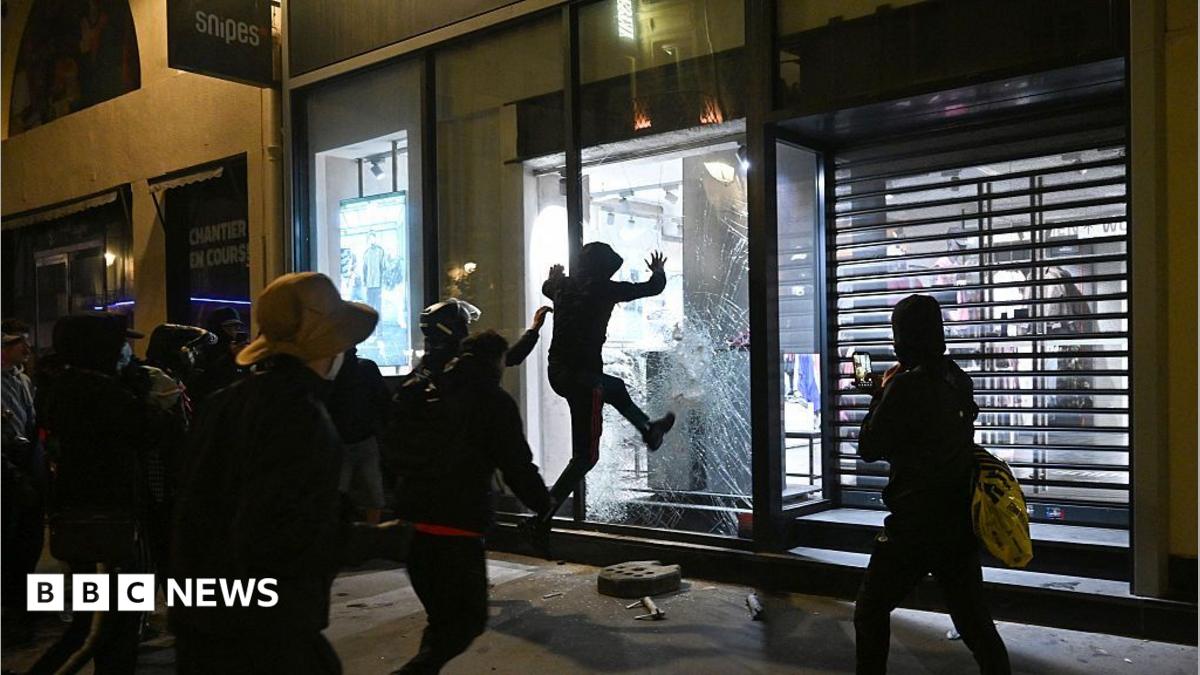
Following days of severe civil unrest across major metropolitan centers in France, international e-commerce platforms have been forced to intervene against the secondary distribution of stolen merchandise. Lithuania-based peer-to-peer apparel and goods marketplace Vinted confirmed it has implemented emergency protocols to proactively detect, de-index, and remove suspicious listings tied to the widespread looting of commercial stores. The coordinated civil unrest, triggered by the fatal police shooting of a teenager in suburban Paris, rapidly escalated into organized attacks on logistics hubs, high-end retail districts, and major commercial corridors in Paris, Marseille, and Lyon.
French law enforcement agencies and internal security ministries deployed tens of thousands of personnel to restore order, while simultaneously tracking organized digital networks used to coordinate property destruction and the subsequent liquidation of stolen inventory. The convergence of street-level urban disruption with advanced consumer-to-consumer digital channels underscores a structural shift in how physical security events interface with modern digital infrastructure. As physical stores were breached, illicit actors leveraged the anonymity and velocity of borderless secondary marketplaces to convert high-value apparel, electronics, and luxury goods into untraceable liquidity.
[Global Trade](/news/european-energy-crisis-fuel-inflation-trade-impact) & Economic Ripples
Beyond immediate property damage, the economic impact across European retail and supply chain sectors remains severe. France’s main business confederation, MEDEF, estimated direct commercial damages across hundreds of damaged bank branches, supermarkets, and apparel retailers to exceed one billion euros. This sudden operational disruption has sent shockwaves through regional supply chains, forcing major European logistics operators to reroute freight, suspend last-mile delivery services in urban zones, and implement heightened cargo security protocols.
For the broader retail economy, the diversion of merchandise into informal digital channels threatens the integrity of primary brand pricing and inventory management. The sudden surge of discounted, illicit items onto secondary platforms creates localized market distortions, while commercial insurance underwriters are already pricing in elevated risk premiums for commercial real estate and urban logistics hubs. Furthermore, European consumer confidence metrics face downward pressure, compounding existing macroeconomic headwinds driven by persistent inflation and tight central bank monetary policy.
Related Intelligence: European Energy Crisis Drives Populist Surge as Global Trade Braces for Disruption
International Reactions & Diplomatic Stances
Diplomatic and regulatory scrutiny over e-commerce accountability has accelerated rapidly in response to the French crisis. French government officials, including representatives from the Ministry of the Economy, Finance and Industrial and Digital Sovereignty, issued stern warnings to digital platforms regarding compliance with European commerce directives and the Digital Services Act (DSA). Regulators emphasized that online facilitators hold an affirmative responsibility to prevent their infrastructure from serving as conduits for criminal proceeds.
Market analysts and legal experts point out that the episode accelerates regulatory convergence within the European Union regarding platform liability. European retail associations have called for mandatory identification safeguards on consumer-to-consumer marketplaces to ensure traceability. Meanwhile, international observers noted that the speed with which digital platforms mobilized their content moderation and anti-fraud architectures highlights the growing regulatory imperative for automated compliance across cross-border digital trade corridors.
Strategic Outlook & Future Scenarios
The coordinated response by cross-border platforms signals a lasting change in how multinational marketplaces operate during civil crises. Moving forward, e-commerce operators will face tightened regulatory mandates requiring automated risk algorithms capable of flagging abnormal spikes in regional listings, geo-fenced brand inventory, and unverified merchant accounts. Cross-border platforms will increasingly be integrated into real-time law enforcement reporting mechanisms to prevent secondary-market capital flight.
In the medium term, European corporate entities and institutional investors must contend with structurally higher urban operating costs, elevated asset-protection expenditures, and the risk of recurrent domestic volatility. As European legislative bodies prepare to enforce stricter compliance regimes under the Digital Services Act, multinational consumer platforms will face higher compliance overheads, transforming digital commerce from an uninhibited exchange into a rigorously monitored node of international commercial security.
Join Our Official WhatsApp Channel
Receive live commodity alerts, policy changes, and commercial intelligence directly on WhatsApp.