
South Korea Reduces Kyiv Embassy Staff Following Prisoner Row
South Korea has moved to withdraw additional embassy personnel from Kyiv following escalating bilateral friction with Ukraine over the public disclosure of sensitive prisoner-of-war transfers.
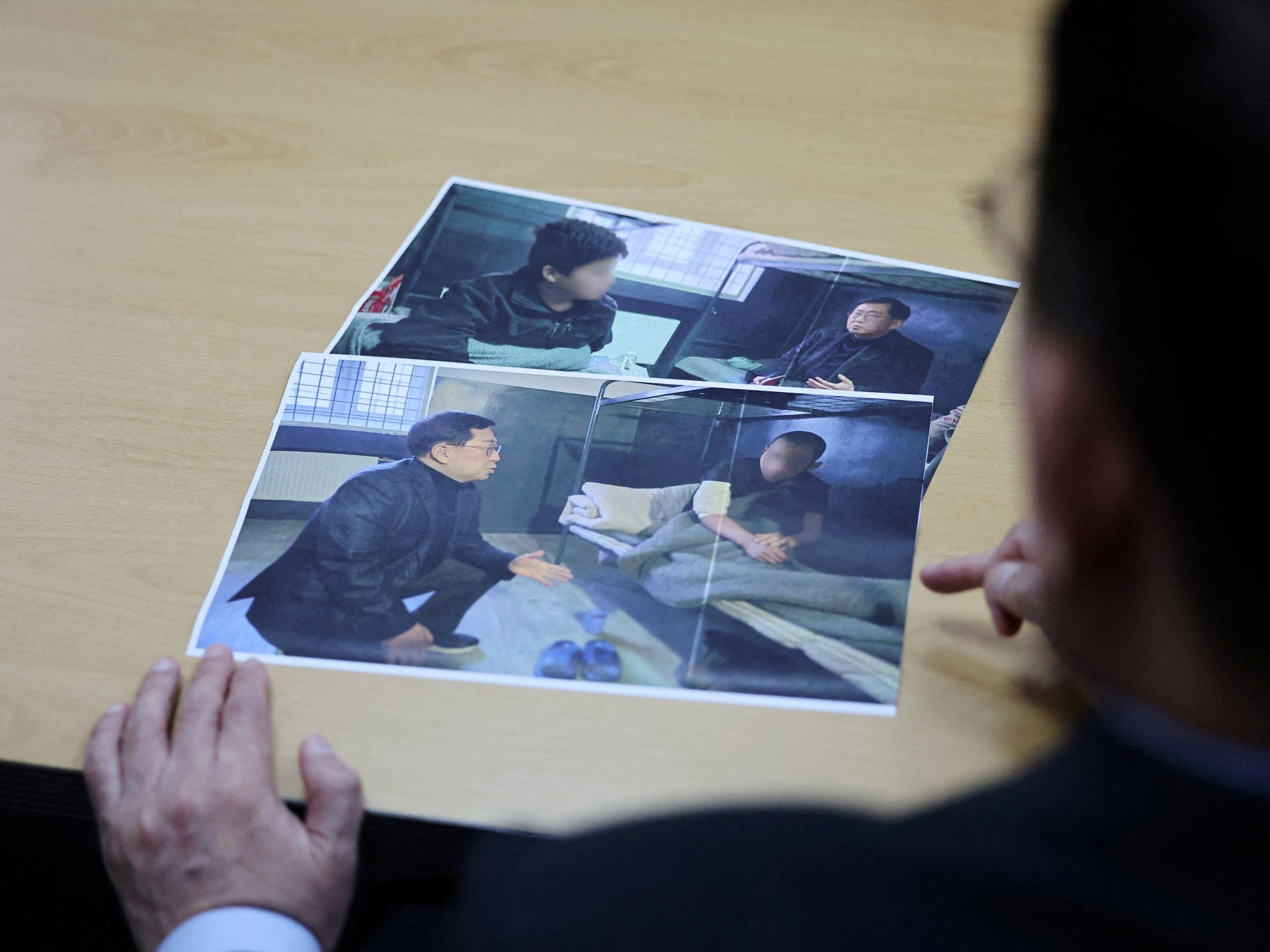
Geopolitical & Core Developments
Tensions between Seoul and Kyiv have escalated sharply as South Korea prepares to withdraw additional personnel from its embassy in Ukraine, following an earlier recall of its ambassador. The diplomatic rift emerged after Ukrainian President Volodymyr Zelenskyy publicly disclosed details surrounding a sensitive prisoner-of-war (POW) transfer involving third-party negotiations and sensitive regional actors. South Korean authorities characterized the disclosure as an uncoordinated breach of diplomatic protocol, forcing Seoul to reevaluate the physical security of its diplomatic contingent and recalibrate its operational stance in the Ukrainian capital.
South Korea had previously walked a cautious diplomatic tightrope, aligning with Western-led sanctions against the Russian Federation while strictly limiting its assistance to humanitarian aid, non-lethal military gear, and financial support. Ukrainian officials had persistently lobbied Seoul to authorize direct transfers of advanced munitions, particularly 155mm artillery shells and state-of-the-art surface-to-air defense platforms. The unexpected public disclosure of the prisoner transfer, which reportedly involved sensitive regional intelligence contacts and delicate security balances regarding North Korean military developments, triggered immediate alarm in Seoul's Ministry of Foreign Affairs, culminating in this calculated diplomatic withdrawal.
[Global Trade](/news/european-energy-crisis-fuel-inflation-trade-impact) & Economic Ripples
The deterioration of diplomatic relations carries notable economic and commercial implications, particularly for international reconstruction consortia, industrial supply chains, and technology transfers. South Korean industrial conglomerates, known as chaebols, had positioned themselves as foundational contractors for post-war infrastructure reconstruction in Ukraine, focusing on energy grid modernization, high-speed rail, and heavy civil engineering. A diplomatic freeze jeopardizes memoranda of understanding signed between Ukrainian ministries and South Korean industrial majors.
Furthermore, the dispute disrupts global defense supply chains. South Korea has become one of the fastest-growing arms exporters globally, supplying NATO members such as Poland and Romania with K2 Black Panther tanks, K9 Thunder howitzers, and Chunmoo rocket systems to backfill equipment donated to Ukraine. While direct export controls to active conflict zones remain officially restricted, heightened diplomatic friction could diminish Seoul's willingness to accelerate backfill production or facilitate secondary transfers of ammunition components. On commodity markets, agricultural supply chains may see minor friction, as maritime logistics firms and grain export agreements rely on stable consular and maritime coordination channels.
International Reactions & Diplomatic Stances
The unexpected diplomatic rupture has prompted subdued concern across Western capitals and multilateral organizations. European Union officials and NATO leadership, who have consistently viewed South Korea as a vital democratic partner in the Indo-Pacific supporting the rules-based international order, are encouraging quiet bilateral dialogue to resolve the dispute without disrupting broader coordinated sanctions regimes.
In Kyiv, presidential administration officials have defended their disclosures as transparent public diplomacy necessary to maintain international momentum and demonstrate tactical operational breakthroughs against invading forces. Conversely, analysts in Seoul emphasize that the Yoon Suk Yeol administration faces intense domestic scrutiny regarding foreign policy entanglements. South Korean opposition lawmakers have warned against being drawn into wider European hostilities, citing acute intelligence concerns regarding Moscow's strengthening defense pact with Pyongyang.
Strategic Outlook & Future Scenarios
The near-term trajectory points toward prolonged diplomatic cooling between Seoul and Kyiv. South Korea is expected to maintain essential consular capabilities through a skeleton crew while redirecting primary communication lines to third-party diplomatic hubs in Warsaw or Brussels. Any formal reconciliation will require bilateral security guarantees and confidential diplomatic protocols regarding future intelligence and prisoner exchanges.
Looking ahead, the diplomatic distance may weaken Ukraine's leverage to secure high-tier South Korean military equipment, forcing European capitals to absorb greater production burdens for advanced artillery and missile defense systems. If Moscow seeks to exploit the fissure by offering assurances regarding its technology transfers to North Korea, Seoul may double down on its cautious posture, ultimately preserving its security bandwidth for Northeast Asian deterrence.
Join Our Official WhatsApp Channel
Receive live commodity alerts, policy changes, and commercial intelligence directly on WhatsApp.