
Southeast Asia Haze Crisis Threatens Regional Trade and Supply Chains
Recurrent transboundary haze from agricultural burning threatens Southeast Asian economies, compelling regional policymakers to reconsider cross-border corporate liability and supply chain regulations.
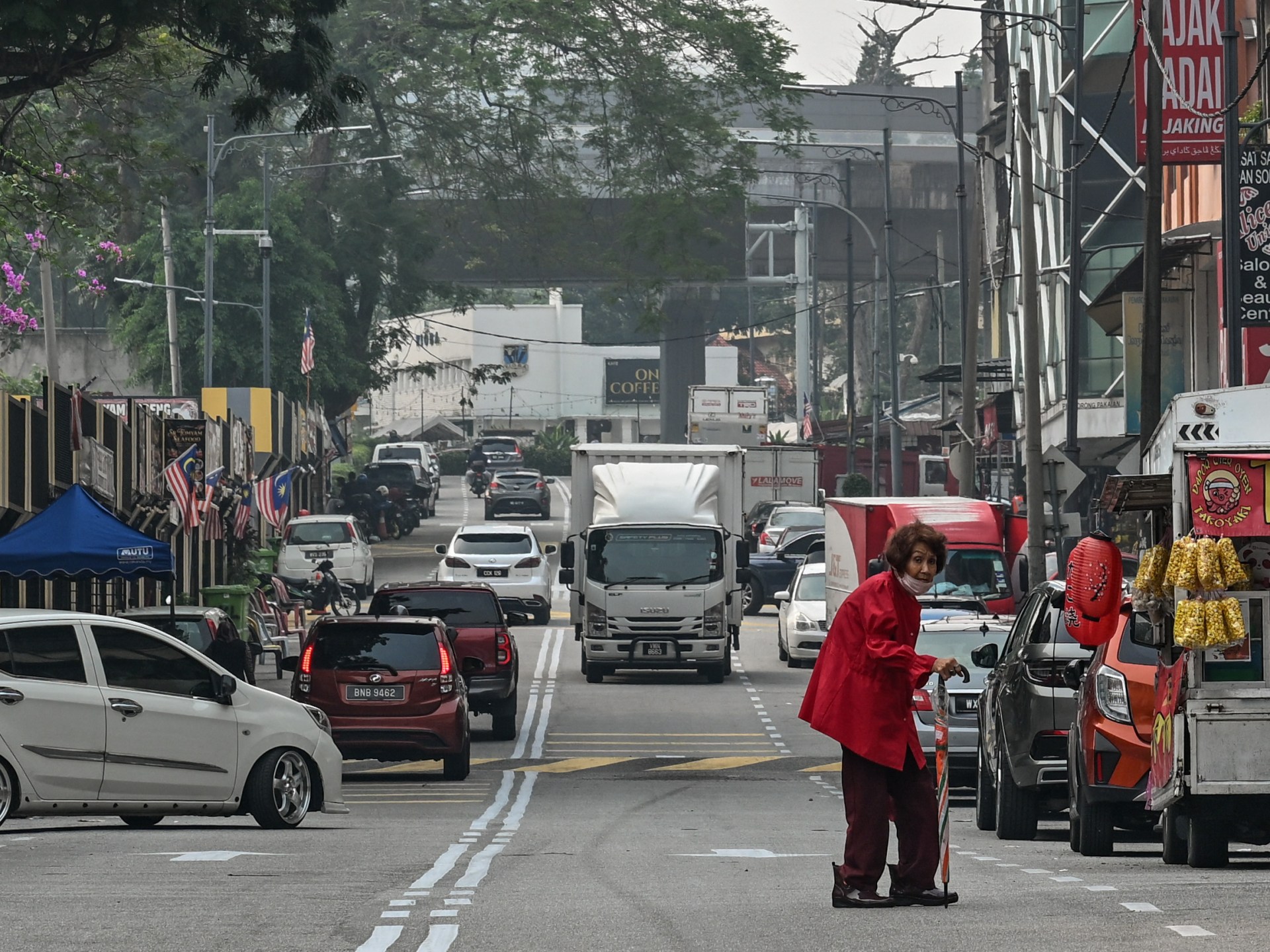
Geopolitical & Core Developments
For decades, Southeast Asia has confronted a recurrent environmental and geopolitical rupture triggered by transboundary haze. Rooted in slash-and-burn agricultural techniques primarily utilized to clear peatlands and tropical forests for palm oil and pulpwood plantations, the seasonal smog blankets vast swathes of Indonesia, Malaysia, Singapore, and southern Thailand. Despite bilateral pacts and regional frameworks, the incentive structure underpinning regional agribusiness continues to favor cheap, illegal land clearing over sustainable cultivation.
The 2002 ASEAN Agreement on Transboundary Haze Pollution was historically heralded as a landmark multilateral instrument. However, enforcement remains constrained by the bloc's foundational doctrine of non-interference. As prevailing winds disperse toxic particulate matter across national borders, diplomatic tensions consistently flare between Jakarta, Kuala Lumpur, and Singapore. The absence of an effective legal mechanism to hold multinational conglomerates and plantation owners accountable across sovereign jurisdictions has perpetuated a cycle of seasonal friction, leaving downstream nations to absorb significant ecological and public health burdens.
Global Trade & Economic Ripples
The economic consequences of transboundary haze extend well beyond local healthcare costs, delivering measurable shocks to international trade, commodities, and logistics. Palm oil, a staple vegetable oil underpinning global food processing, cosmetics, and biofuels, sits at the nexus of the crisis. Escalating international scrutiny and consumer-market demands for certified sustainable palm oil (CSPO) place non-compliant producers at risk of exclusion from Western markets, particularly under the European Union Deforestation Regulation (EUDR).
Concurrently, critical logistics corridors face acute disruptions. Reduced visibility across the Malacca Strait—one of the world's primary maritime choke points handling roughly a quarter of global seaborne trade—forces commercial vessels to alter operational speeds, increasing transit times and maritime insurance premiums. In aviation, persistent haze leads to widespread flight cancellations and diversions, disrupting regional passenger traffic, cargo consolidation, and high-value supply chains centered around regional hubs in Singapore and Kuala Lumpur. Regional tourism, retail sales, and labor productivity additionally register severe aggregate contractions during peak burning episodes.
Related Intelligence: Albanian Civil Unrest Escalates Amid Violent Clashes and Political Gridlock
International Reactions & Diplomatic Stances
Regional governance bodies and multilateral institutions have reiterated calls for structural reforms. Singapore has previously sought to leverage domestic legislation, specifically the Transboundary Haze Pollution Act, which permits civil and criminal liability against foreign commercial entities responsible for smoke entering Singaporean airspace. However, extraterritorial enforcement remains legally complex and politically sensitive, frequently meeting resistance over territorial sovereignty.
Environmental monitors, international financial institutions, and ESG-focused credit rating agencies are increasingly integrating haze-related climate risks into corporate sovereign debt profiles. Analysts note that while ASEAN ministers convene regular working groups to review hot spot data and satellite tracking systems, the failure to impose uniform cross-border penal codes dilutes collective deterrent capabilities. Bilateral dialogue frequently devolves into reciprocal accusations regarding land ownership, concession mapping opacity, and cross-border corporate shell structures.
Strategic Outlook & Future Scenarios
The trajectory of Southeast Asia’s haze crisis depends on whether member states transition from voluntary accords to enforceable financial liabilities. Forward-looking scenarios point toward increased regulatory friction if regional authorities fail to align concessions mapping with public registries. Continued climate variability, exacerbated by El Niño cycles, threatens to amplify the severity of drought periods, intensifying fire vulnerability across drained peatland ecosystems.
Upcoming ASEAN summits will face heightened pressure to address structural reform, particularly as global trading partners tighten due-diligence mandates on agricultural imports. If ASEAN does not institutionalize a polluter-pays framework that penalizes corporate perpetrators through financial sanctions, import embargoes, or multilateral fines, the economic externalities of cheap land clearance will continue to destabilize regional diplomatic ties and compromise Southeast Asia's standing within global green finance markets.
Join Our Official WhatsApp Channel
Receive live commodity alerts, policy changes, and commercial intelligence directly on WhatsApp.