
Venezuela Geopolitical Shift Redraws Global Energy Maps
Venezuela's leadership executes a stunning diplomatic about-face at the UN General Assembly, reshaping global energy trade and Latin American geopolitics.
Geopolitical & Core Developments
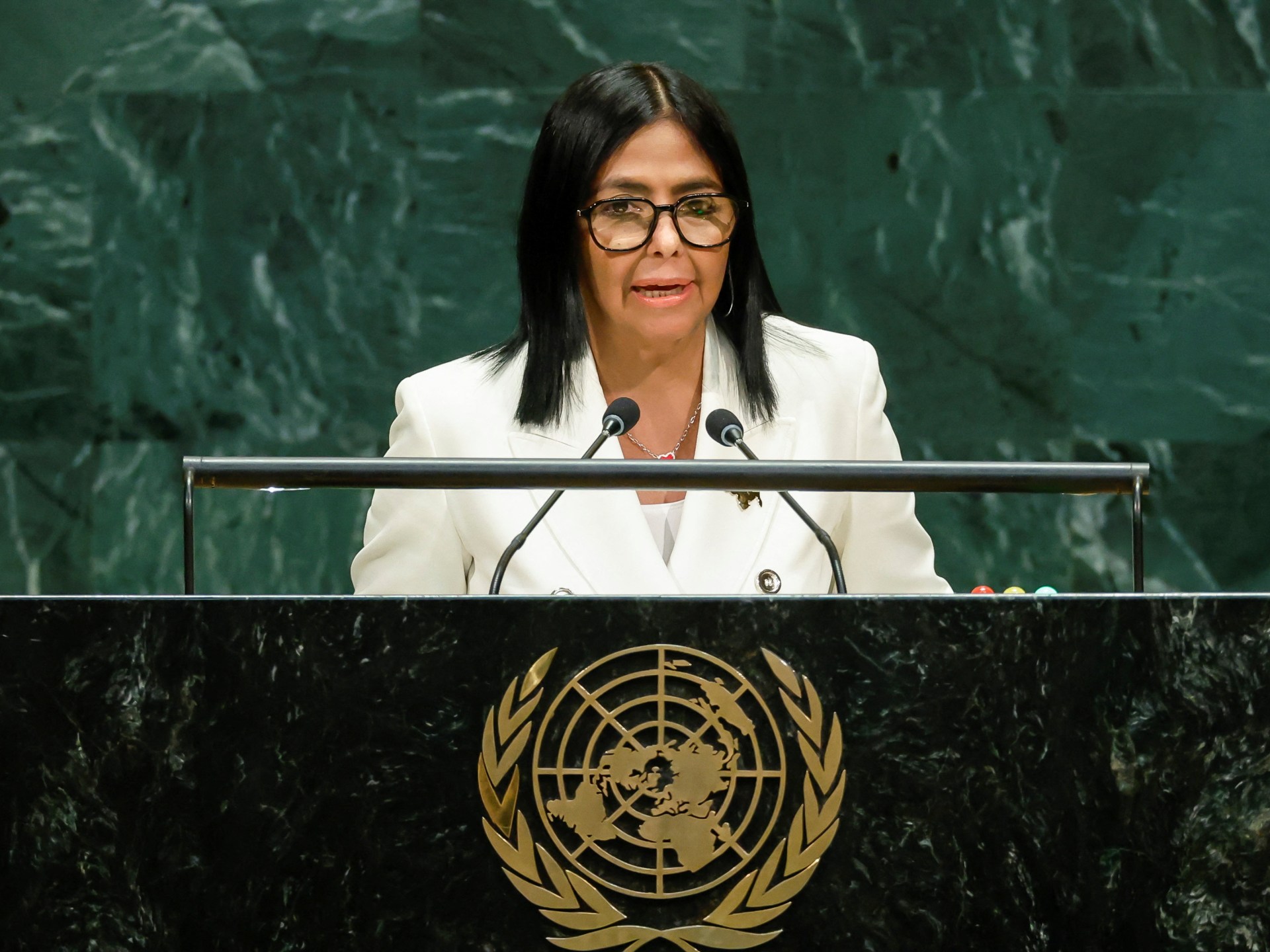
In a stunning diplomatic pivot at the United Nations General Assembly, Venezuelan interim leader Delcy Rodriguez delivered an address that upended decades of anti-Western rhetoric. Just seven years after standing at the same podium to vehemently denounce United States interventionism and warn against foreign-backed regime change, Rodriguez struck a conciliatory tone, explicitly thanking Washington for facilitating a managed political transition. This rhetorical about-face signals a profound realignment in Caracas, dismantling the ideological pillars of the Maduro era and establishing a pragmatic framework for re-engaging with Western capitals. State actors across the hemisphere are scrambling to interpret the sudden thaw, which follows months of clandestine backchannel negotiations brokered by regional intermediaries and multinational energy conglomerates.
The strategic stakes extend far beyond domestic governance, altering the balance of power within the Organization of Petroleum Exporting Countries (OPEC) and shifting hemispheric alliances. For years, Caracas relied heavily on non-Western partnerships to insulate its economy from comprehensive international sanctions. The new administration's willingness to normalize diplomatic channels with Washington and multilateral financial institutions marks the end of an era of isolationism. Analysts note that this transition was accelerated by acute domestic economic exhaustion and mounting pressure from military leadership, forcing a reluctant regime to trade ideological rigidity for institutional survival and economic rehabilitation.
[Global Trade](/news/trump-xi-jinping-us-summit-global-trade-geopolitics) & Economic Ripples
The immediate commercial consequence of Caracas's diplomatic pivot is the impending reintegration of vast Venezuelan heavy crude reserves into mainstream global energy markets. For over a decade, sanctions-hit Venezuelan production was forced into opaque, discounted shadow-fleet networks, distorting pricing benchmarks and complicating maritime insurance. The dismantling of these restrictions promises to normalize export flows, exerting downward pressure on medium-sour crude differentials globally. Major refining hubs along the US Gulf Coast, engineered specifically to process Venezuela’s heavy, sulfur-rich bitumen, are already preparing for a surge in direct tanker imports.
Beyond crude oil, international trade corridors through the Caribbean Sea are experiencing a rapid reassessment. Shipping and logistics firms anticipate heightened maritime traffic, necessitating upgrades to port infrastructure in Maracaibo and Puerto La Cruz. Furthermore, international mining conglomerates are positioning themselves for potential concession renegotiations regarding Venezuela's untapped gold, iron ore, and critical mineral deposits. As international banking institutions lift compliance flags, trade finance lines are reopening, facilitating the resumption of agricultural and industrial imports that had been throttled by a decade of financial blockade.
Related Intelligence: Venezuela Pledges Democratic Transition at UN Amid Global Energy Realignment
International Reactions & Diplomatic Stances
International response has been swift and cautiously optimistic, though marked by lingering skepticism from traditional leftist allies in Latin America. Washington has welcomed the UNGA address as a vindication of targeted diplomacy, indicating that a phased rollback of sectoral sanctions will proceed contingent upon verifiable democratic reforms and human rights guarantees. European Union officials echoed this sentiment, emphasizing the necessity of transparent electoral frameworks before full economic normalization can be codified.
Conversely, regional actors such as Cuba and Nicaragua have maintained a stony silence, acutely aware that the loss of subsidized Venezuelan oil shipments threatens their own macroeconomic stability. Multilateral bodies, including the International Monetary Fund and the World Bank, have dispatched technical assessment teams to evaluate the state of Venezuela's macroeconomic data and foreign debt architecture. Market analysts warn, however, that deep-seated institutional decay, hyperinflationary legacies, and complex international litigation by sovereign bondholders will complicate any rapid financial recovery.
Strategic Outlook & Future Scenarios
Looking ahead, the trajectory of Venezuela’s reintegration will depend heavily on upcoming bilateral summits between Caracas and Washington, as well as the successful renegotiation of legacy sovereign debt. Geopolitical friction points remain, particularly concerning foreign asset recovery and the legal status of nationalized multinational properties. However, the overarching commercial imperative favoring market stability and energy security is likely to override ideological objections.
As global commodity desks re-weight their portfolios to account for returning Venezuelan barrels, international energy geopolitics enters a volatile transitional phase. The coming months will test whether the interim administration can successfully balance domestic political factions while delivering the regulatory certainty demanded by foreign direct investors. Failure to manage this delicate equilibrium risks renewed domestic unrest, whereas successful execution will permanently redraw the energy map of the Americas.
Join Our Official WhatsApp Channel
Receive live commodity alerts, policy changes, and commercial intelligence directly on WhatsApp.