
Venezuela Energy Crisis Deepens Under Rodriguez as Nationwide Blackouts Spark Unrest
Severe power cuts across Venezuela have triggered intense public protests against interim President Delcy Rodriguez, intensifying economic instability and drawing heightened scrutiny from international commodity markets.
Geopolitical & Core Developments
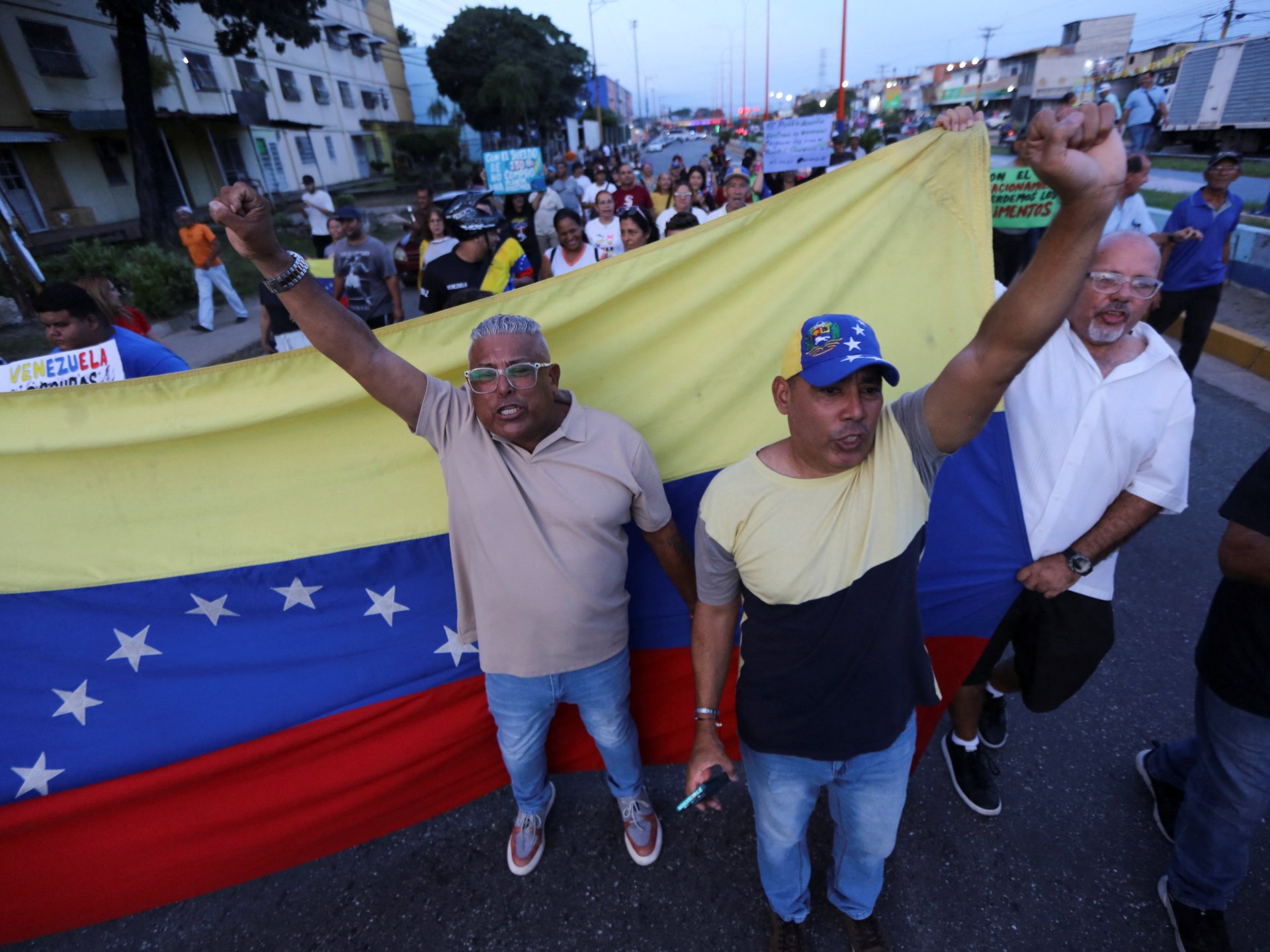
Venezuela is once again gripped by acute civil unrest as cascading, nationwide electrical blackouts paralyze daily life and stoke intense public fury against the administration of interim President Delcy Rodriguez. The collapse of the national power grid, stemming from decades of chronic underinvestment, institutional corruption, and a severe shortage of technical expertise, has left millions of citizens without electricity, running water, and basic municipal services for days at a time. Protests have erupted in major urban centers and marginalized barrios alike, testing the limits of state security apparatuses and exposing the fragile control exercised by the current government.
Interim President Rodriguez, who assumed power following a turbulent political transition, has increasingly relied on security forces to contain demonstrations, accusing foreign saboteurs and domestic opposition factions of orchestrating the infrastructure failures. However, independent engineers and labor unions dispute these claims, pointing instead to systemic neglect, obsolete transformer stations, and a depleted workforce within the state-owned energy monopoly, Corporacion Electrica Nacional (Corpoelec). As public infrastructure crumbles, the political legitimacy of the ruling apparatus faces its sternest test in years, complicating ongoing back-channel negotiations aimed at stabilizing the nation's governance framework.
Global Trade & Economic Ripples
The deterioration of Venezuela's domestic stability carries profound implications for global commodity markets, particularly the international petroleum trade. Although Venezuelan crude production has been heavily constrained by years of unilateral sanctions and operational decay, any prolonged paralysis of industrial zones and port facilities threatens the fragile recovery of the country's oil sector. Heavy crude exports, critical for specialized refineries along the United States Gulf Coast and various Asian destinations, face severe logistical bottlenecks as transport networks stall amid the widespread lack of electricity.
Furthermore, the energy crisis has exacerbated hyperinflationary pressures within the domestic economy, disrupting supply chains for agricultural goods and essential pharmaceuticals. International trading houses monitoring the region report heightened insurance premiums for vessels operating in Venezuelan territorial waters, reflecting rising perceived operational risks. As currency values fluctuate wildly against the US dollar, commercial counterparties are increasingly demanding cash-in-advance terms, virtually freezing conventional trade credit lines and further isolating Venezuelan enterprises from mainstream global commerce.
Related Intelligence: Flavio Bolsonaro's Surge Reshapes Brazil's Political and Economic Outlook
International Reactions & Diplomatic Stances
The deepening humanitarian and political crisis has drawn swift condemnation and concern from the international community. Officials at the United Nations have issued urgent appeals for restraint, emphasizing the imperative of protecting civilian rights and ensuring uninterrupted access to medical facilities during the blackouts. Regional powers, including Brazil and Colombia, have expressed alarm over potential cross-border migration surges, warning that sustained instability in Caracas could trigger another wave of displacement across South America.
Meanwhile, traditional trading partners and Western capitals are re-evaluating their diplomatic postures. Analysts note that while some nations advocate for targeted humanitarian exemptions to ease the suffering of the Venezuelan populace, others argue that maintaining strict financial and economic sanctions remains the only viable leverage to compel systemic political reforms. The Organization of American States has scheduled emergency consultations to assess the unfolding situation, seeking a unified multilateral response to what many observers characterize as a protracted structural collapse.
Strategic Outlook & Future Scenarios
Looking ahead, the trajectory of Venezuela remains precariously tied to the resilience of its fractured energy grid and the political calculus of the Rodriguez administration. In the short term, failure to restore reliable electricity generation risks igniting larger, more coordinated labor strikes that could completely halt remaining hydrocarbon extraction operations. Upcoming international energy summits will likely feature intense debates regarding the potential easing of sanctions in exchange for verifiable infrastructure rehabilitation and democratic concessions.
Geopolitical escalation points remain acute, with foreign intelligence agencies closely monitoring the posture of the military leadership. Should internal dissent within the armed forces mount alongside civilian protests, the current political order could face a sudden, systemic rupture. Conversely, a crackdown backed by foreign security allies could temporarily freeze political opposition, locking the nation into a prolonged state of economic stagnation and diplomatic isolation with enduring consequences for Latin American geopolitical stability.
Join Our Official WhatsApp Channel
Receive live commodity alerts, policy changes, and commercial intelligence directly on WhatsApp.