
South Sudan Aid Crisis Deepens as Humanitarian Funding Collapses
South Sudan faces a deepening humanitarian crisis as shrinking international funding and continuous arrivals from Sudan threaten to cut off life-saving aid for over one million people by October.
Geopolitical & Core Developments
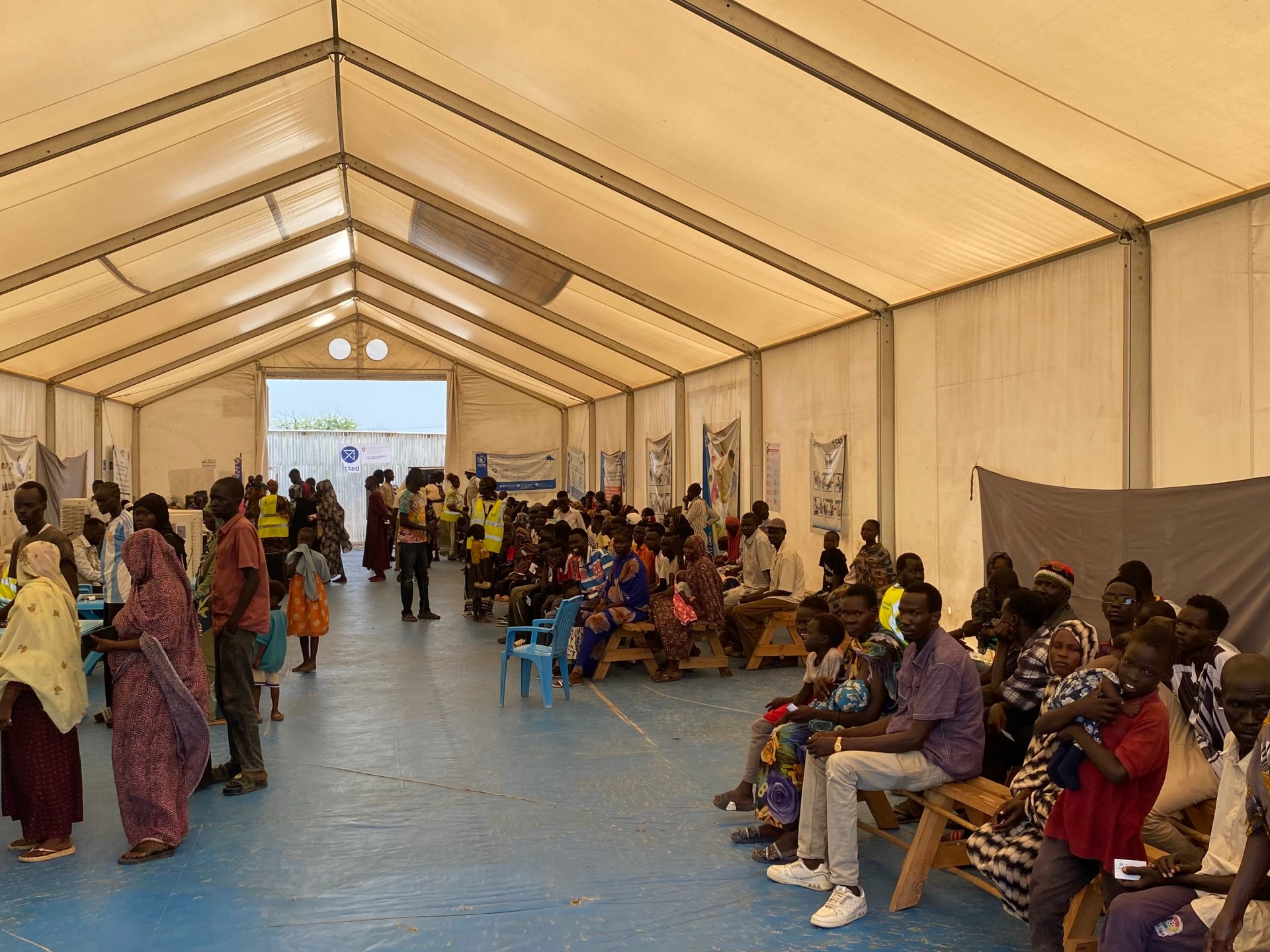
The humanitarian architecture in South Sudan is facing an unprecedented collapse as converging crises threaten the stability of the world's youngest nation. According to recent reports from the United Nations and international relief agencies, more than one million vulnerable people could lose access to life-saving food assistance and medical support by October. This looming catastrophe is driven by a steep decline in international donor funding, compounded by the relentless influx of refugees and returnees fleeing the devastating civil conflict in neighboring Sudan. Since the outbreak of war in Khartoum in April 2023, hundreds of thousands of individuals have crossed the border into northern South Sudan, placing an unbearable strain on already depleted local resources and fragile infrastructure. State actors and regional bodies find themselves struggling to manage a multi-layered emergency characterized by internal displacement, intercommunal violence, and severe climatic shocks that have undermined domestic agricultural yields.
Global Trade & Economic Ripples
While South Sudan is not a primary driver of global manufacturing supply chains, its macroeconomic instability carries significant weight within East African regional trade corridors and international commodity markets. As a critical oil-producing state, ongoing domestic instability and humanitarian strains directly jeopardize petroleum output, which constitutes the vast majority of government revenue and export earnings. Any disruption in production capacity tightens regional energy availability and impacts bilateral trade agreements with neighboring states like Kenya, Uganda, and Sudan. Furthermore, the acute food deficit drives up localized commodity prices, inflationary pressures, and currency devaluation, eroding purchasing power across the Horn of Africa. International shipping lanes and transit routes through the Red Sea and East African ports face secondary pressures as logistical networks are redirected to manage emergency relief operations, increasing operational overheads for multinational logistics providers.
Related Intelligence: Yemeni Government Counteroffensive Threatens Critical Red Sea Trade Routes
International Reactions & Diplomatic Stances
Multilateral organizations and foreign ministries have issued urgent appeals for immediate financial intervention to avert a catastrophic collapse of basic services. The United Nations World Food Programme and the Office for the Coordination of Humanitarian Affairs have repeatedly warned that premature funding cuts force agonizing triage decisions, reducing rations for populations already experiencing emergency levels of food insecurity. Western governments and donor nations, constrained by competing domestic fiscal priorities and fatigue from protracted global crises, have faced sharp criticism from humanitarian advocates for failing to meet revised UN appeal targets. Meanwhile, regional diplomatic bodies such as the Intergovernmental Authority on Development continue to press for sustained political engagement to resolve the root causes of displacement in Sudan while urging international partners to ring-fence humanitarian budgets from broader geopolitical reallocations.
Strategic Outlook & Future Scenarios
The trajectory of South Sudan's aid crisis remains precariously tied to the diplomatic resolution of the conflict in Sudan and the willingness of international donors to replenish emergency coffers. In the absence of a comprehensive ceasefire and renewed financial commitments, international monitors warn of mass displacement cascades, heightened regional insecurity, and increased migratory pressures toward North Africa and Europe. Upcoming multilateral summits and donor pledging conferences will serve as critical litmus tests for the international community's capacity to manage concurrent global emergencies. Failure to secure immediate bridging funds risks institutionalizing chronic famine conditions across the region, transforming a temporary displacement shock into a permanent geopolitical vulnerability that will reverberate through global commodity and security frameworks for years to come.
Join Our Official WhatsApp Channel
Receive live commodity alerts, policy changes, and commercial intelligence directly on WhatsApp.