
Flavio Bolsonaro's Surge Reshapes Brazil's Political and Economic Outlook
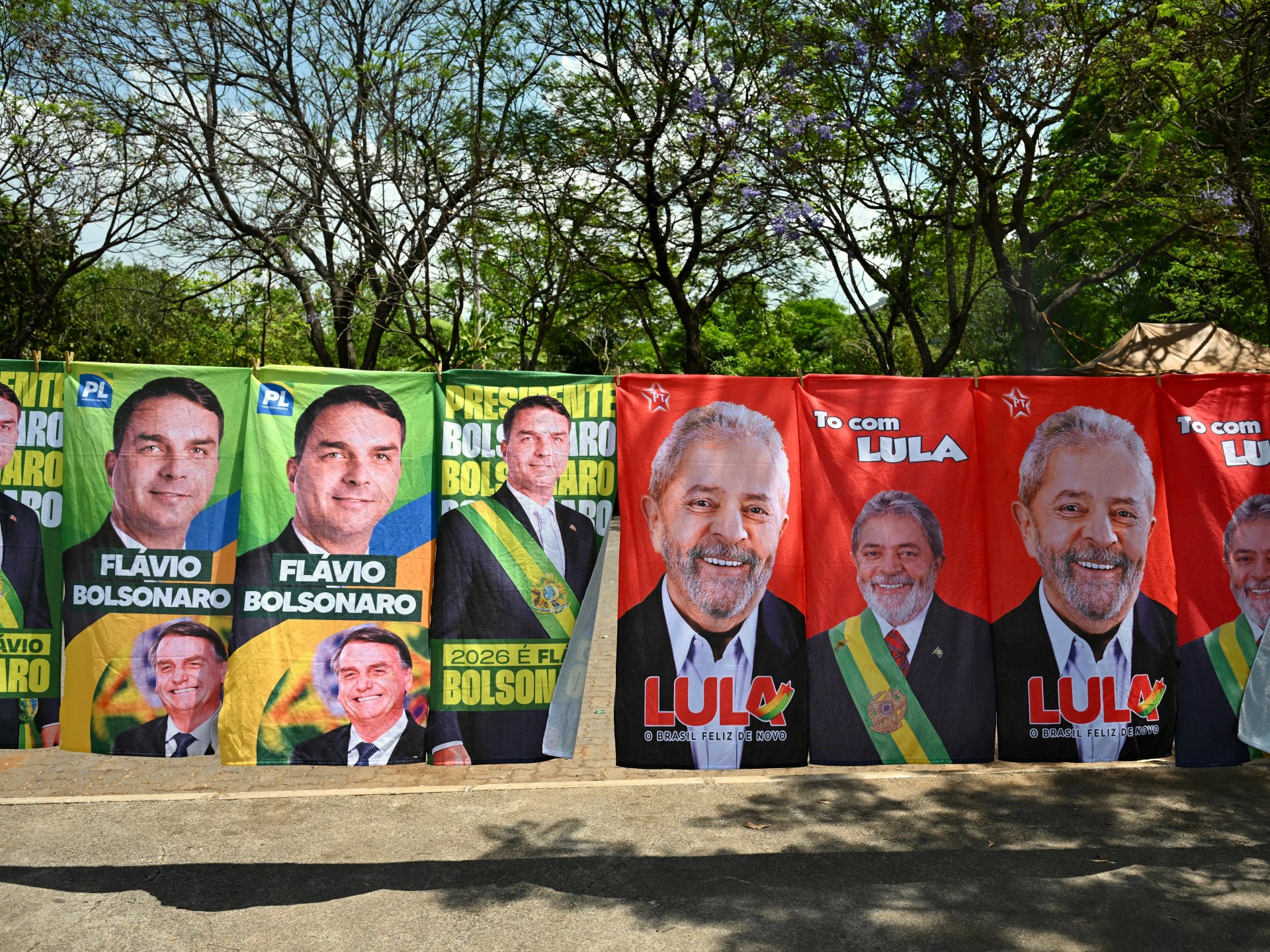
Flavio Bolsonaro's stronger-than-expected electoral performance signals a major shift in Brazilian politics, driven by economic dissatisfaction and a late right-wing surge that threatens to reshape regional trade dynamics.
Geopolitical & Core Developments
The recent electoral performance of Flavio Bolsonaro in Brazil has fundamentally altered the nation's political trajectory, sending ripples across Latin America's diplomatic and economic landscapes. Outperforming pre-election polling margins, the right-wing resurgence materialized in the final weeks of the campaign, propelled by a potent combination of populist momentum, strategic voter mobilization, and widespread disillusionment with the political establishment. State actors across the region are closely monitoring the shift, as the consolidation of right-wing factions in Brazil—Latin America’s largest economy—traditionally alters multilateral alignment within regional blocs such as Mercosur. The timeline of this political pivot accelerated amid mounting public scrutiny over administrative corruption and domestic financial controversies, which opposition figures leveraged to galvanize conservative constituencies. Strategic stakes remain high as legislative and executive branches prepare for contentious policy debates that could redefine Brazil's internal governance and its posture toward international partners.
Global Trade & Economic Ripples
Beyond domestic politics, the unexpected electoral strength of the Bolsonaro faction introduces significant variables into global commodity markets and international trade flows. Brazil remains a powerhouse exporter of agricultural commodities, including soybeans, beef, and iron ore, alongside critical energy reserves. Foreign investors and commodity traders are evaluating the potential implications for regulatory frameworks, environmental compliance, and export tariffs. A shift toward nationalist or market-skeptic economic policies could influence foreign direct investment (FDI) inflows and currency valuations, particularly the Brazilian real, which remains sensitive to political instability. Furthermore, international shipping lanes originating from South American ports could face indirect pressures if trade negotiations stall or if domestic fiscal reforms encounter legislative gridlock, affecting global supply chain predictability for key foodstuffs and industrial raw materials.
Related Intelligence: French Nationwide Protests Disrupt Markets and Test State Authority
International Reactions & Diplomatic Stances
International markets and foreign capitals have responded with measured caution to the Brazilian electoral realignment. Multilateral organizations, including financial institutions monitoring emerging markets, have emphasized the necessity of fiscal discipline and institutional stability. Neighboring South American governments have expressed a desire for continued regional cooperation, though underlying ideological tensions between Brasilia and neighboring leftist administrations are expected to resurface. Market analysts from major global financial institutions note that foreign portfolio investors are adopting a wait-and-see approach, hedging against currency volatility while pricing in the possibility of prolonged political friction. Diplomatic missions in Brasilia are actively reassessing bilateral trade agreements and environmental dialogues, anticipating potential shifts in Brazil's negotiating posture at upcoming global climate and economic forums.
Strategic Outlook & Future Scenarios
Looking ahead, the trajectory of Brazilian politics will hinge on the consolidation of congressional alliances and the management of ongoing economic pressures, including inflation and public debt. Upcoming legislative sessions will serve as an immediate test of the Bolsonaro faction's ability to pass structural reforms or obstruct opposing agendas. Geopolitical escalation points may emerge if foreign policy directives pivot away from multilateral consensus toward bilateral negotiations, particularly concerning trade pacts with Western economies and Asian partners such as China. As international summits approach, Brazil's leadership will be scrutinized for its commitment to global economic stability, making the domestic political consolidation a critical focal point for global strategists and commodity market participants alike.
Join Our Official WhatsApp Channel
Receive live commodity alerts, policy changes, and commercial intelligence directly on WhatsApp.