
Kosovo Political Crisis Deepens Amid Protests and Snap Election Prospects
Kosovo is gripped by political paralysis and street protests following high-profile war crimes convictions, elevating the risk of snap elections and destabilizing the Western Balkans.
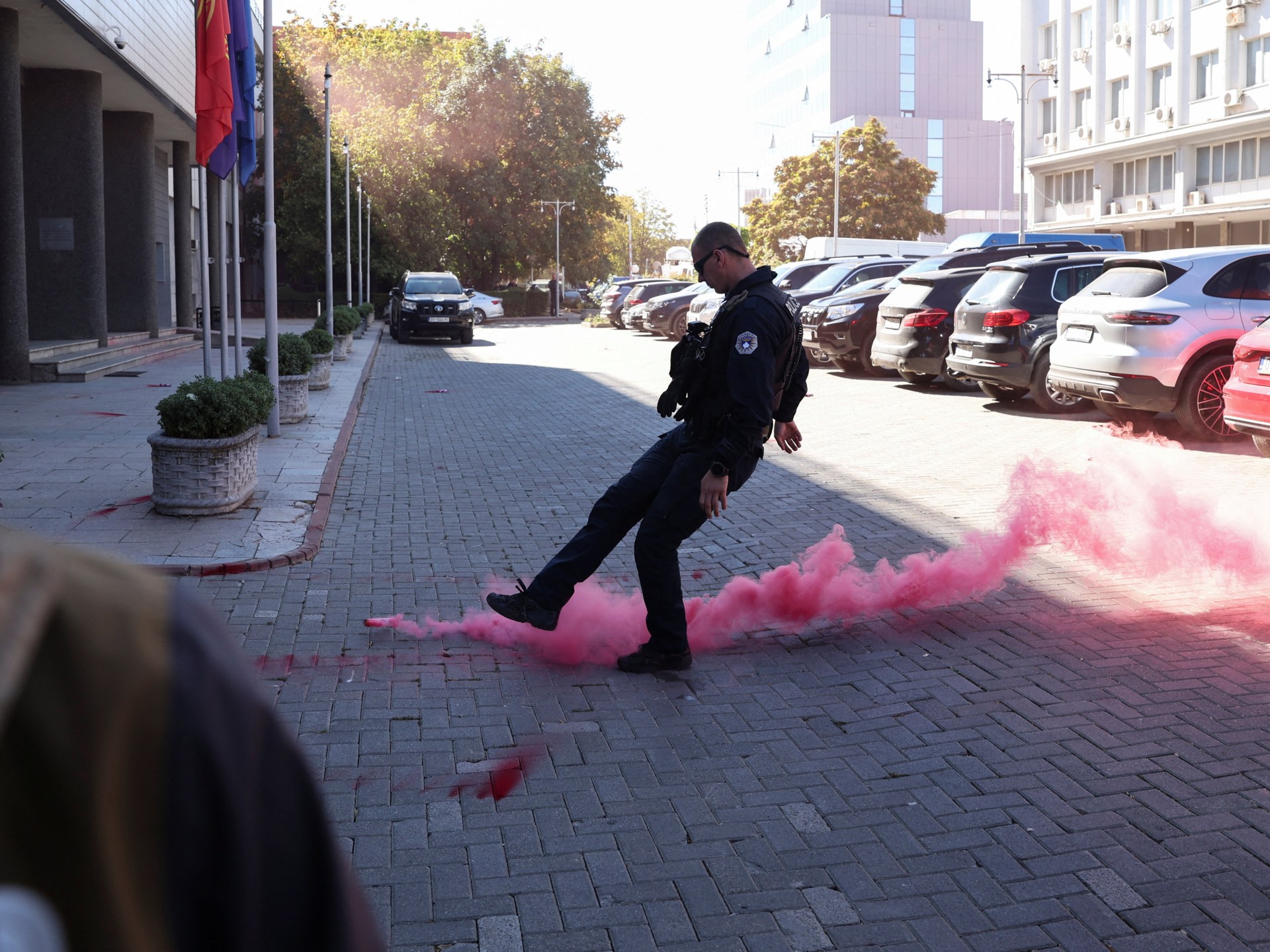
Geopolitical & Core Developments
Kosovo stands at a critical domestic and diplomatic crossroads as mounting street protests intersect with a paralyzing political deadlock. The immediate catalyst stems from the recent war crimes convictions of former Kosovo Liberation Army leaders by the Kosovo Specialist Chambers in The Hague. These judicial outcomes have sent shockwaves through the domestic political establishment, triggering large-scale demonstrations organized by veterans' associations and nationalist factions who view the verdicts as an attack on the foundational narrative of the state's independence.
Simultaneously, the ruling coalition and fractured opposition parties remain deadlocked over crucial legislative agendas, rendering parliament functionally inactive. This institutional paralysis has accelerated discussions regarding the dissolution of the assembly and the calling of early parliamentary elections. For a young republic still navigating the complexities of state-building, an election cycle amidst high emotional and political polarization threatens to deepen societal fractures and stall vital governance reforms required for European integration.
Global Trade & Economic Ripples
While Kosovo's direct footprint in global commodity markets remains modest, the deepening political crisis carries substantial economic ramifications for the wider Western Balkans. Regional trade corridors, including critical overland transit routes connecting Central Europe to the Aegean and Black Sea ports, are vulnerable to spillover instability, border slowdowns, and potential blockades if protests escalate along major arterial highways.
Furthermore, investor confidence across the Western Balkans faces renewed headwinds. Foreign direct investment into nascent energy projects, mining infrastructure, and light manufacturing hubs in Kosovo risks being deferred as multinational corporations reassess sovereign risk profiles. International financial institutions, including the European Bank for Reconstruction and Development, are closely tracking whether domestic political turbulence will delay public infrastructure spending and structural economic modernization programs vital for regional market integration.
Related Intelligence: France Suspends High Schools Amid Escalating Civil Unrest and Clashes
International Reactions & Diplomatic Stances
Western capitals and multilateral institutions have responded to the unfolding crisis with deep apprehension, urging immediate restraint and constructive dialogue. The European Union, which facilitates the normalization dialogue between Pristina and Belgrade, has issued joint statements emphasizing that the rule of law must be respected without compromising democratic stability. Brussels has cautioned that prolonged political gridlock will severely obstruct Kosovo's progress toward EU candidate status.
Meanwhile, United Nations officials have called for calm, urging political leaders to channel grievances through institutional mechanisms rather than street mobilization. Market analysts from major financial houses note that while international intervention will likely prevent systemic financial contagion, persistent governance uncertainty will maintain a risk premium on borrowing costs for sovereign debt issuers throughout the broader southeastern European region.
Strategic Outlook & Future Scenarios
Over the medium term, Kosovo's trajectory hinges on whether political elites can forge a consensus to manage an orderly electoral transition or whether the current deadlock devolves into protracted civil unrest. The scheduled upcoming diplomatic summits between Western Balkan leaders and EU representatives will serve as critical pressure points for enforcing institutional compliance and de-escalating nationalist rhetoric.
Geopolitical escalation points remain centered on potential friction along the northern municipalities, where ethnic Serb communities maintain separate administrative structures. Any coordinated unrest overlapping with nationwide protests over the Hague tribunal verdicts could draw a more assertive posture from international peacekeeping forces. Consequently, foreign policy strategists view the coming months as a decisive test of democratic resilience and institutional maturity for the state.
Join Our Official WhatsApp Channel
Receive live commodity alerts, policy changes, and commercial intelligence directly on WhatsApp.