
Vatican Continuity Assured as Pontiff Resumes State Duties Following Surgery
The Holy See has confirmed the pontiff resumed high-level governance duties following successful lung surgery, ensuring diplomatic continuity across Vatican international affairs.
Geopolitical & Core Developments
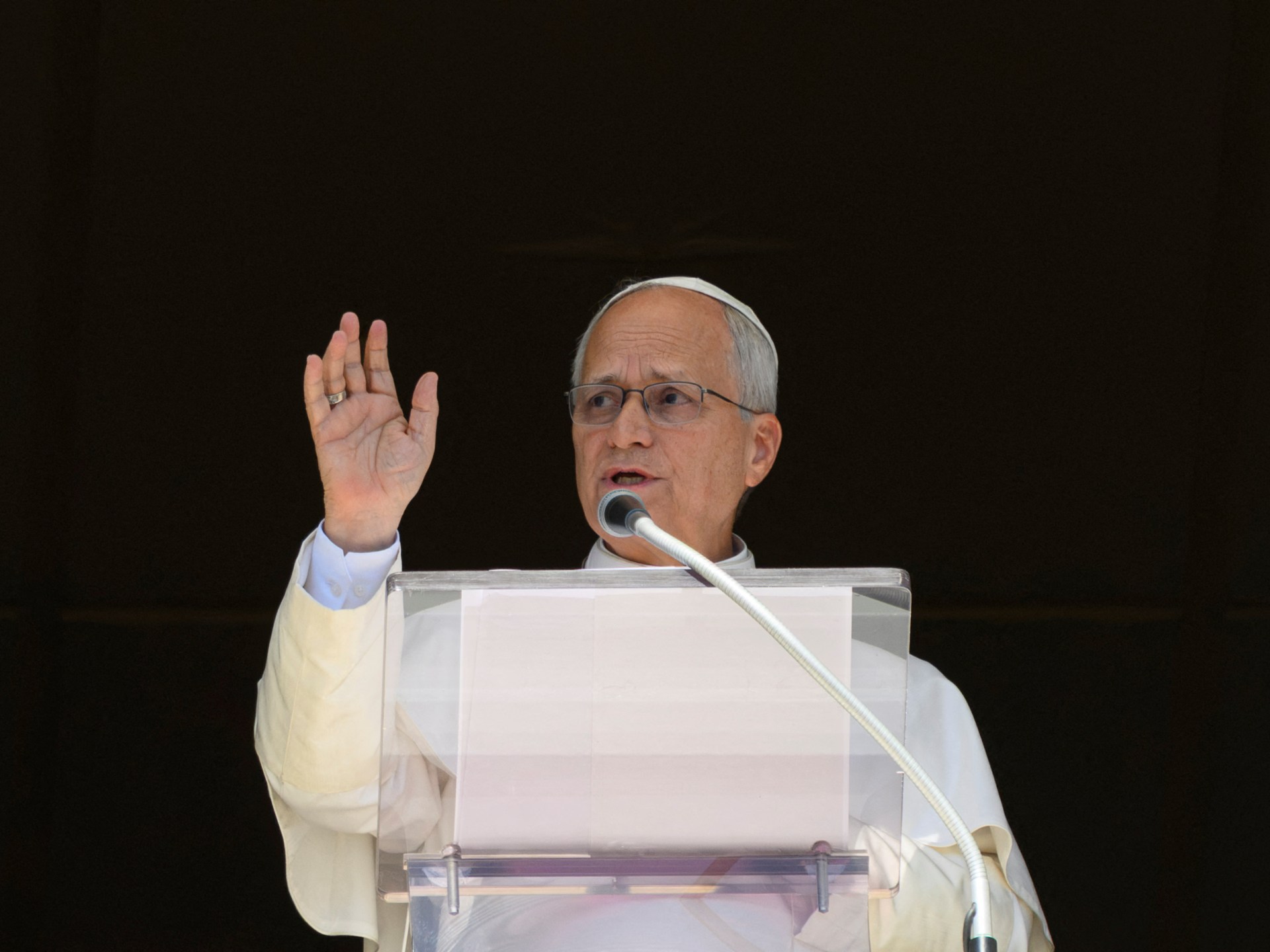
The Holy See announced that the supreme pontiff has formally resumed sovereign administrative duties and bilateral diplomatic engagements from his hospital suite, following a surgical intervention to excise a localized lung growth. Medical personnel overseeing the treatment confirmed the postoperative recovery is proceeding without clinical complications. Demonstrating institutional operational continuity, the Roman pontiff held working sessions with senior curial leadership, including the Vatican Secretariat of State, to review pressing multilateral dossiers and internal ecclesiastical administration.
Sovereign leadership stability inside the Holy See carries considerable weight across global geopolitical arenas. Unlike typical non-state religious entities, the Vatican maintains complete sovereign statehood, holding non-member permanent observer status at the United Nations and administering an extensive diplomatic corps. Apostolic Nuncios operate in over 180 countries, often acting as neutral liaisons in sensitive conflict resolution efforts. The resumption of active oversight mitigates potential administrative inertia across Holy See embassies during a period characterized by heightened instability across Eastern Europe, the Middle East, and sub-Saharan Africa.
Global Trade & Economic Ripples
While the direct operational authority of the Holy See does not manage commercial commodity exchanges, the institutional stability of the sovereign entity influences international sentiment, sovereign asset administration, and institutional investment policies. The Vatican controls substantial global real estate holdings, cultural assets, and an investment portfolio managed under strict ESG (Environmental, Social, and Governance) and ethical investment mandates via the Administration of the Patrimony of the Apostolic See (APSA) and the Institute for the Works of Religion (IOR).
Institutional continuity ensures ongoing adherence to the Holy See's responsible investment frameworks, which discourage sovereign and institutional funding in armaments, fossil-fuel-intensive extraction projects, and speculative financial instruments. Furthermore, the Vatican remains a vocal proponent of stabilizing grain corridors and vital maritime logistics channels in the Black Sea and the Red Sea. Uninterrupted diplomatic efforts from the Vatican diplomatic corps ensure continued humanitarian pressure to keep agricultural supply chains operational, protecting emerging economies across North Africa and the Levant from price spikes in foundational agricultural commodities like wheat and fertilizer.
Related Intelligence: US-Iran Standstill Tests Global Energy Corridors and Diplomatic Restraint
International Reactions & Diplomatic Stances
Bilateral reactions to the pontiff's convalescence and operational return were swift across major capitals and multilateral organizations. The Secretary-General of the United Nations conveyed formal diplomatic greetings, emphasizing the essential moral authority and neutral mediation capacity the Holy See provides to global multilateral diplomacy. European leaders, particularly in Rome, Paris, and Madrid, underscored the significance of stable Vatican governance amidst contentious continental debates surrounding migration, defense integration, and economic cohesion.
Washington and Beijing also monitored developments through diplomatic channels. In the United States, bilateral ties remain focused on coordinated foreign assistance and humanitarian mediation. In Beijing, where the provisional agreement on the appointment of Catholic bishops remains subject to periodic review, stability in the Secretariat of State provides predictability for bilateral communication frameworks established between the Holy See and Chinese authorities.
Strategic Outlook & Future Scenarios
The strategic trajectory for the Holy See centers on maintaining momentum across key international initiatives scheduled for the upcoming quarters. Foremost among these is the Vatican's ongoing engagement with upcoming United Nations climate negotiations, where the Holy See advocates for aggressive carbon-reduction targets, climate loss-and-damage financing mechanisms, and equitable technological transfers to developing nations.
Looking forward, curial analysts anticipate the pontiff will progressively assume a full public schedule while delegating certain routine protocol matters to senior prelates. Vatican foreign policy will sustain its focus on negotiated settlements in protracted conflicts, humanitarian relief funding, and international treaty compliance regarding disarmament. The demonstrated resilience of institutional structures preserves the Vatican's unique standing as an indispensable intermediary in global statecraft.
Join Our Official WhatsApp Channel
Receive live commodity alerts, policy changes, and commercial intelligence directly on WhatsApp.