
US-Iran Standstill Tests Global Energy Corridors and Diplomatic Restraint
Washington's temporary suspension of military action against Iran preserves fragile regional balances, though analysts warn subsequent strategic choices could disrupt global energy security and international shipping corridors.
Geopolitical & Core Developments
The prolonged confrontation between the United States and the Islamic Republic of Iran has entered a fragile interlude following signals from Washington that direct offensive actions remain deferred prior to critical legislative elections. The strategic pause reflects a delicate calibration by American defense planners who must weigh tactical strikes against the certainty of asymmetric retaliation across the broader Middle East. Despite the absence of immediate kinetic engagements, both nations remain locked in an escalating cycle of deterrence along vital maritime boundaries, including the Persian Gulf and the Bab el-Mandeb strait.
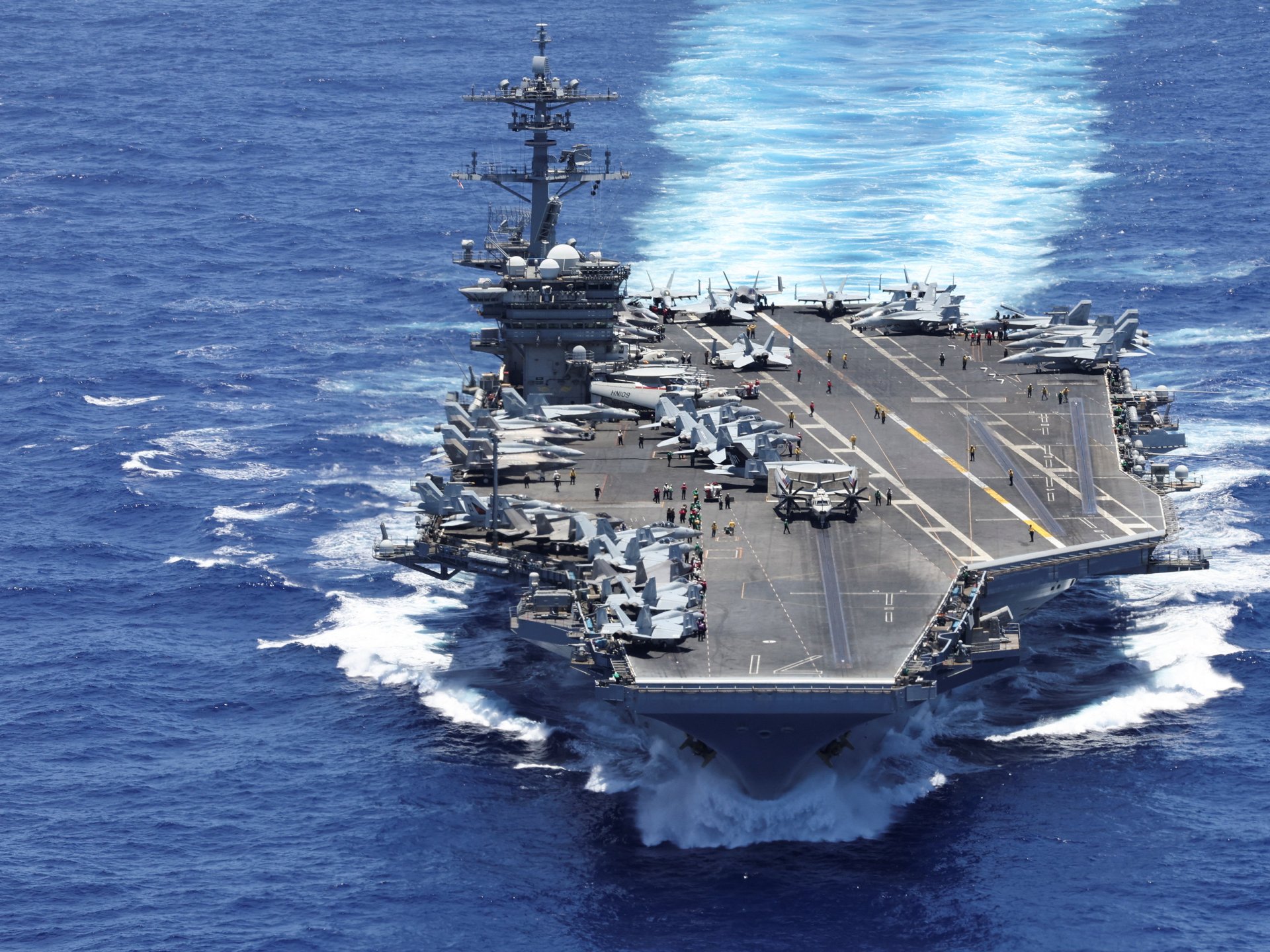
Tehran continues to expand its ballistic missile inventories and leverage aligned regional proxy networks to establish layered defense depths. Simultaneously, the United States Central Command maintains elevated carrier strike group deployments and enhanced air defense integration across partner states. The core diplomatic friction centers on non-proliferation compliance, maritime interdiction mandates, and proxy funding networks, leaving institutional diplomats with severely constrained avenues to establish binding de-escalation frameworks.
Global Trade & Economic Ripples
The ongoing impasse generates persistent volatility across international commodity desks and maritime freight corridors. The Strait of Hormuz, an arterial maritime bottleneck through which approximately one-fifth of global petroleum flows, remains the epicenter of commercial anxiety. Any disruption or miscalculation in these waters immediately drives Brent and West Texas Intermediate benchmark crude prices upward, adding friction to downstream refining and industrial production.
Commercial maritime operators face compounding operational costs, driven by spiked war-risk insurance premiums and precautionary rerouting through longer logistical circuits. Containerized freight rates, bulk dry transit fees, and petrochemical transport margins are directly influenced by this heightened military posturing. In global currency markets, prolonged tensions bolster safe-haven demand for the United States dollar, while exerting inflationary pressures on import-dependent developing economies reliant on hydrocarbon supplies.
Related Intelligence: Ivory Coast Accelerates Climate-Resilient Cocoa Research to Protect Global Supply
International Reactions & Diplomatic Stances
Multilateral bodies and sovereign governments have issued measured appeals urging tactical restraint and adherence to the United Nations Convention on the Law of the Sea. European diplomatic entities continue to pursue diplomatic channels designed to preserve nuclear oversight mechanisms, warning that direct military conflict would fatally dismantle remaining non-proliferation monitoring regimes.
Regional stakeholders, including members of the Gulf Cooperation Council, have adopted pragmatic dual-track postures: strengthening localized integrated missile defense architectures while sustaining discrete backchannel dialogues with Tehran to avoid cross-border blowback. Market analysts at leading institutional brokerages emphasize that while financial markets have partially priced in elevated geopolitical risk, an actual kinetic disruption to export terminals would precipitate an acute global supply deficit that spare operational capacities could struggle to bridge.
Strategic Outlook & Future Scenarios
The trajectory of the US-Iran confrontation post-elections hinges on several discrete escalation branches. Analysts outline three primary scenarios: a sustained low-intensity war involving cyber operations and covert proxy skirmishes; an expanded economic enforcement campaign targeting Iranian crude exports through secondary sanctions; or targeted retaliatory strikes against strategic infrastructure should regional deterrence collapse.
Upcoming multilateral assemblies and regional security forums will provide critical indicators of whether backchannel containment efforts can yield sustainable maritime security protocols. In the absence of a comprehensive diplomatic breakthrough, the structural standoff guarantees that global supply chains, international shipping lanes, and energy markets will remain vulnerable to sudden strategic recalibrations from both capitals.
Join Our Official WhatsApp Channel
Receive live commodity alerts, policy changes, and commercial intelligence directly on WhatsApp.