
Mexico Yucatan Water Contamination Sparks Environmental and Agribusiness Dispute
Severe groundwater pollution from industrial pig farming in Mexico's Yucatan Peninsula has triggered legal scrutiny, threatening regional agricultural exports and challenging compliance with international trade environmental standards.
Geopolitical & Core Developments
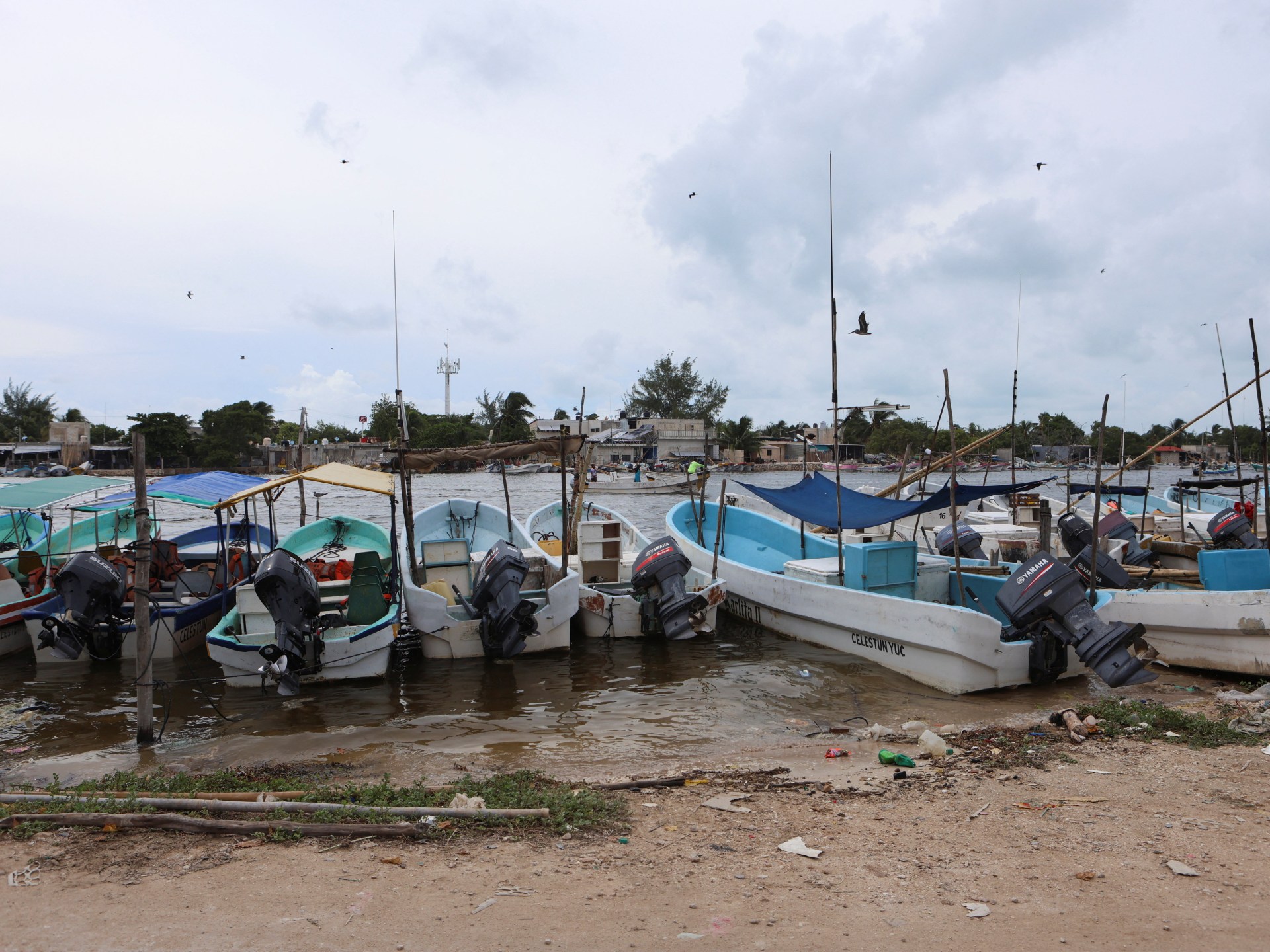
A comprehensive field investigation published by Greenpeace Mexico has exposed severe groundwater contamination across the Yucatan Peninsula, tracing elevated concentrations of faecal coliforms and toxic nitrates directly to industrial pork mega-farms and untreated municipal runoff. The findings have ignited an intense conflict between civil society groups, Indigenous Mayan communities, and corporate agribusinesses in southeastern Mexico.
The Yucatan Peninsula relies on an interconnected, highly porous limestone karst aquifer that represents the sole source of drinking water for over two million residents and supports globally unique cenote ecosystems. Over the past decade, multinational and domestic livestock conglomerates expanded intensive pork farming across the region, capitalizing on proximity to Atlantic shipping lanes and expanding export demand across Asia and North America. Local communities and environmental advocates argue that federal and state authorities granted concessions without conducting mandatory prior consultations with Indigenous populations or performing adequate environmental impact assessments. Legal challenges have advanced to Mexico's Supreme Court, which previously suspended operations at select facilities, yet enforcement remains fractured, precipitating diplomatic and regulatory fallout.
[Global Trade](/news/us-midterm-elections-geopolitical-impact-global-trade) & Economic Ripples
The contamination crisis carries material implications for international agricultural supply chains and trade compliance. Mexico ranks among the world's leading exporters of pork, shipping substantial tonnage to Japan, China, the United States, and South Korea. Heightened oversight or court-mandated moratoria on mega-farms in the Yucatan could disrupt domestic production volumes, tighten regional protein supplies, and drive up pork wholesale futures in Latin American markets.
Furthermore, the issue exposes Mexico to potential dispute proceedings under Chapter 24 of the United States-Mexico-Canada Agreement (USMCA), which mandates that signatory nations enforce domestic environmental laws and prevent trade-distorting ecological degradation. Independent oversight bodies, including the Commission for Environmental Cooperation (CEC), may be petitioned to review Mexico's oversight of industrial hog waste management. Additionally, the degradation of the regional aquifer threatens Yucatan's high-value eco-tourism and hospitality sector, which contributes billions annually to Mexico's foreign currency reserves.
Related Intelligence: JCP Transfer-Only Policy for Islamabad High Court Challenged in Petition
International Reactions & Diplomatic Stances
Multilateral bodies and non-governmental organizations have expressed mounting concern over the public health hazards and environmental justice implications of the Greenpeace report. United Nations special rapporteurs on human rights to safe drinking water and sanitation have repeatedly warned that unchecked industrial agriculture in fragile ecosystems infringes on basic civil protections and Indigenous sovereignty.
In response, Mexico's Ministry of Environment and Natural Resources (SEMARNAT) acknowledged the vulnerability of the Yucatan aquifer, signaling plans for enhanced monitoring and tighter wastewater discharge thresholds. However, industry trade associations, including the Mexican Organization of Pork Producers, defend their operational standards, asserting that modern facilities implement advanced biodigesters and comply with prevailing environmental regulations. They argue that untreated municipal wastewater and inadequate municipal infrastructure remain the primary drivers of localized contamination.
Strategic Outlook & Future Scenarios
The trajectory of the dispute will depend heavily on forthcoming rulings from Mexico's federal judiciary and the regulatory posture of the incoming federal administration. If judicial authorities issue blanket suspensions or mandate retroactive environmental audits across the peninsula, agribusiness operators will face substantial capital expenditure requirements to upgrade waste-treatment technology or relocate processing infrastructure to mainland regions.
In the medium term, failure to resolve the crisis risks triggering formal formal consultations under the USMCA environmental framework, raising the specter of targeted agricultural trade penalties. The situation underscores the broader global friction between rapid export-oriented agribusiness expansion and the imperative to safeguard critical natural infrastructure, establishing a significant legal and commercial precedent for emerging market agro-industrial sectors.
Join Our Official WhatsApp Channel
Receive live commodity alerts, policy changes, and commercial intelligence directly on WhatsApp.