
US Arrests Teen Over Hindu Temple Plot Amid Rising Diplomatic Sensitivities
United States authorities have arrested an Illinois teenager for planning a targeted attack on a Hindu temple. The incident underscores escalating concerns over anti-immigrant extremism and potential diplomatic repercussions between Washington and New Delhi.
Geopolitical & Core Developments
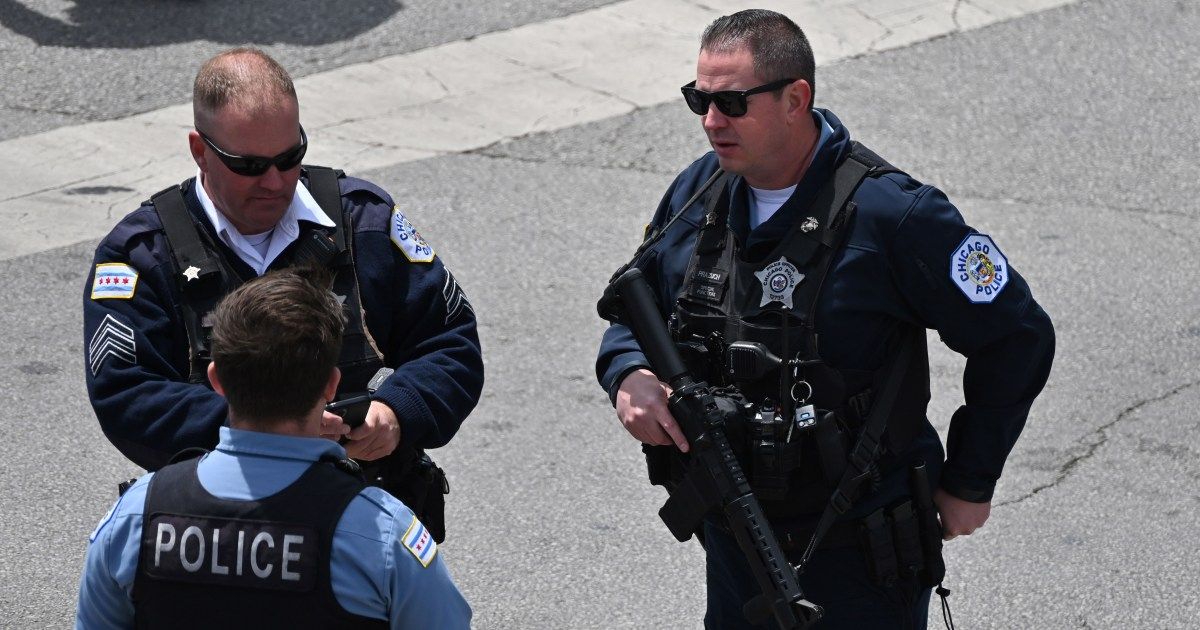
Federal law enforcement authorities in the United States have taken an Illinois teenager into custody following an intelligence-driven operation that uncovered a planned violent assault against a Hindu temple. Court documents and investigative briefs indicate that the suspect expressed explicit anti-Indian animus, openly communicating intentions to inflict mass casualties on Indian-origin worshippers. The suspect was apprehended before executing the operational phase of the attack, with law enforcement seizing actionable planning material and tracking online communications that detailed tactical preparations.
This domestic counterterrorism intervention arrives during an increasingly delicate chapter in bilateral relations between the United States and India. Strategic alignment through multilateral frameworks such as the Quadrilateral Security Dialogue (Quad) has accelerated economic and defense cooperation, yet domestic social volatility in Western nations remains a friction point. Rising reports of vandalism against places of worship and racially charged incidents targeting the extensive South Asian diaspora have intensified pressure on New Delhi to demand rigorous protections for its citizens and persons of Indian origin residing abroad.
Global Trade & Economic Ripples
While the immediate security event was localized, the broader trajectory of ethnically motivated threats introduces subtle but consequential variables into international commercial ties. The Indian diaspora in North America represents one of the highest-earning, highly skilled demographic segments, occupying vital technical, financial, and executive positions across critical global supply chains, enterprise software, and international trade infrastructure.
Escalations in domestic hostility or anti-immigrant sentiment could impact high-skilled labor mobility corridors. Bilateral trade between the United States and India—which exceeded 190 billion dollars in goods and services recently—relies heavily on frictionless immigration pathways, cross-border corporate deployments, and academic exchange. Heightened risk perceptions could increase corporate security expenditures for multinationals, complicate human capital acquisition strategies, and influence enterprise decisions regarding regional headquarters and expatriate personnel allocation.
Related Intelligence: Syrian Court Hands Down Capital Sentences Over Deadly Coastal Clashes
International Reactions & Diplomatic Stances
Civil rights organizations, diaspora advocacy networks, and international observers have moved swiftly to voice alarm over the alleged plot. The Hindu American Foundation and civil rights coalitions called for comprehensive federal hate-crime investigations, urging municipal and national law enforcement agencies to reinforce protection measures around vulnerable communal and religious sites.
In New Delhi, diplomatic officials have monitored the proceedings closely. The Ministry of External Affairs has routinely underscored that the safety of Indian nationals and the diaspora remains a priority in its diplomatic discourse with Western partners. Observers note that while state-level coordination between Washington and New Delhi across maritime, energy, and defense spheres remains robust, public diplomacy could become strained if domestic threats against South Asian communities appear to proliferate without systemic policy interventions by federal authorities.
Strategic Outlook & Future Scenarios
Moving forward, international analysts anticipate deeper integration of civil protection and hate-crime surveillance within bilateral consular dialogues. Law enforcement agencies in the United States, Canada, and parts of Europe are likely to face heightened scrutiny regarding their proactive intelligence capabilities against domestic violent extremism targeting immigrant communities.
Strategically, should domestic radicalization continue along xenophobic lines, it could complicate multilateral alignment, offering geopolitical adversaries opportunities to criticize Western social stability and rule-of-law metrics. In the medium term, Washington and New Delhi will seek to isolate these security challenges from broader trade negotiations and strategic defense pacts, relying on swift legal accountability and heightened homeland security measures to reassure diaspora stakeholders and global investors alike.
Join Our Official WhatsApp Channel
Receive live commodity alerts, policy changes, and commercial intelligence directly on WhatsApp.