
Albanian Prime Minister Rejects Resignation Demands Amid Spreading Civil Unrest
Albanian Prime Minister Edi Rama has refused demands to step down as student-led anti-government demonstrations intensify across Tirana and provincial cities, raising concerns over Balkan stability and institutional reforms.
Geopolitical & Core Developments
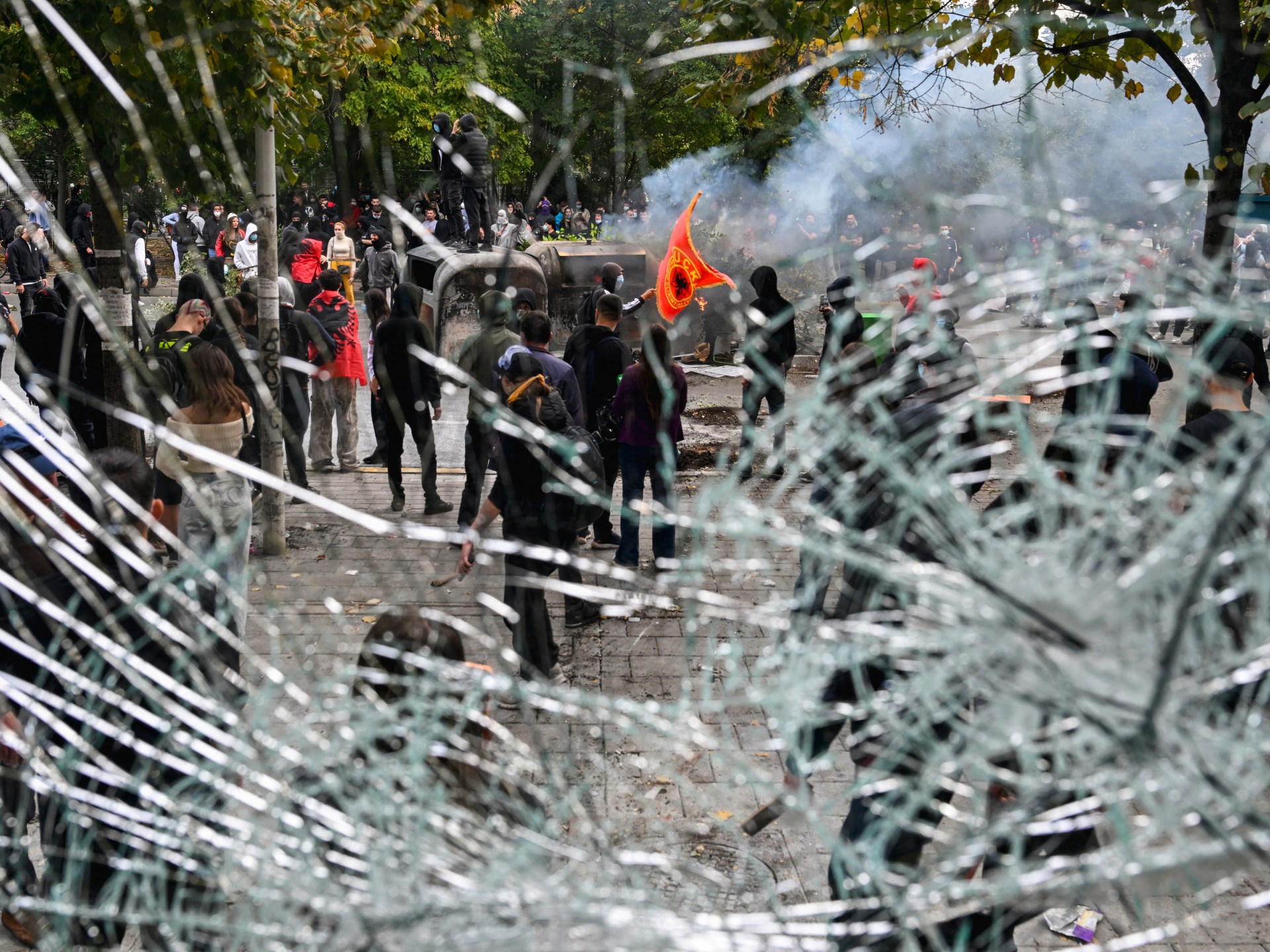
Albanian Prime Minister Edi Rama has categorically dismissed escalating calls for his resignation as widespread student demonstrations entered their third consecutive day, spreading from the capital city of Tirana to key regional hubs including Durres, Shkodra, and Elbasan. Addressing the nation, Rama condemned the disruptive nature of the demonstrations, framing the blockades of critical thoroughfares and public squares as engineered chaos that undermines democratic governance.
The unrest, initially triggered by contentious university fee structures, substandard campus infrastructure, and demands for enhanced academic resources, has rapidly transformed into a broader civil grievance movement. Demonstrators have broadened their platform to target entrenched institutional corruption, rising living costs, and high youth emigration rates. Despite police deployments and repeated executive appeals for dialogue, student assemblies have rejected bilateral negotiations, demanding immediate legislative action and the direct repeal of controversial education policies before entering mediation.
Global Trade & Economic Ripples
While Albania represents a modest segment of aggregate global trade, prolonged domestic instability carries direct economic ramifications for the Western Balkans and southern Adriatic transport corridors. The ongoing civil disruption poses friction points for freight transport moving between the Port of Durres—Albania's principal maritime gateway—and landlocked neighboring economies, including North Macedonia and Kosovo. Delays along transit arteries elevate logistics costs and introduce lead-time variance across local supply chains.
Furthermore, the unrest introduces volatility into Albania's foreign direct investment inflows, particularly across critical infrastructure, energy generation, and real estate development. International consortiums participating in regional energy integration projects, including cross-border power interconnections and hydrocarbon transit initiatives, are closely monitoring the political climate. Unhedged sovereign risk exposure may lead institutional lenders to demand higher risk premiums on forthcoming Albanian sovereign debt issuances, placing pressure on the national currency, the lek, against the euro.
Related Intelligence: French Football Federation Demands Political Neutrality Amid Widespread Student Protests
International Reactions & Diplomatic Stances
Multilateral institutions and regional diplomatic missions have urged restraint and transparent engagement between the government and civil society. European Union representatives in Tirana underscored the imperative of upholding the fundamental right to peaceful assembly, while simultaneously calling on protesters to avoid actions that compromise public order and transit infrastructure. Brussels maintains an elevated stake in Albania's governance trajectory, given the country's ongoing accession negotiations and requirement to meet strict institutional benchmarks under the EU rule-of-law acquis.
Diplomatic envoys from Western capitals have refrained from commenting directly on demands for the prime minister's resignation, treating the crisis as an internal constitutional process. However, non-governmental monitoring organizations and regional policy analysts have noted that persistent institutional gridlock and public distrust risk damaging Tirana's international credibility. International human rights monitors have cautioned law enforcement agencies against disproportionate crowd control measures as demonstrations gain momentum.
Strategic Outlook & Future Scenarios
The immediate trajectory of the crisis hinges on the Rama administration's capacity to deliver credible fiscal concessions without compromising the state budget. Should the executive offer targeted subsidies or substantive overhauls of the tertiary education framework, momentum behind the demonstrations could decelerate, permitting a gradual normalization of civil activity.
Conversely, an uncompromising stance from state authorities risks unifying disparate opposition factions, organized labor syndicates, and broader civil society groups behind the student vanguard. Such an escalation could paralyze the national legislature and trigger calls for early parliamentary elections. Over the medium term, prolonged instability threatens to delay administrative milestones required for European integration, complicating Tirana's diplomatic standing and delaying strategic capital allocation across the Western Balkan market.
Join Our Official WhatsApp Channel
Receive live commodity alerts, policy changes, and commercial intelligence directly on WhatsApp.