
US Supreme Court Weighs Trump Immigration Crackdown as Markets Brace for Labor Shocks
The US Supreme Court's decision to review Donald Trump's ICE detention policy sets the stage for a landmark legal showdown with wide-ranging economic and labor market repercussions.
Geopolitical & Core Developments
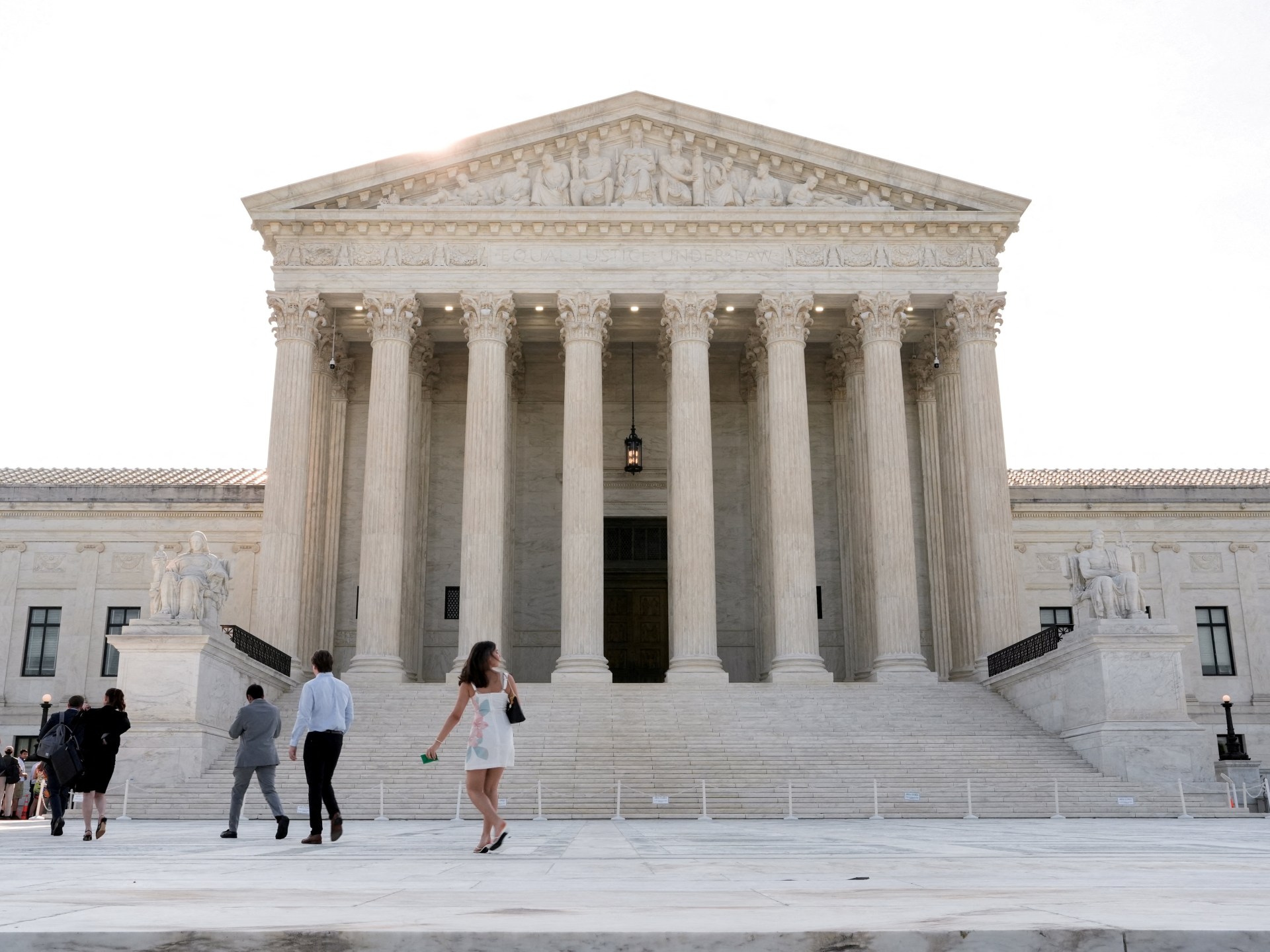
The United States judicial landscape has become the primary arena for high-stakes political and economic conflict as the Supreme Court agreed to take up the legality surrounding Donald Trump’s sweeping Immigration and Customs Enforcement (ICE) detention policy. The case represents a pivotal moment in the ongoing national debate over executive authority, federal enforcement powers, and administrative overreach. At the core of the legal challenge is the administration's aggressive utilization of extended detention frameworks to execute mass deportation strategies. Civil rights organizations and state-level challengers argue that the policy violates statutory limits and constitutional due process protections, while federal defenders maintain that the executive branch holds broad discretionary authority to secure national borders and enforce immigration statutes without judicial interference. This impending ruling will not only define the legal boundaries of presidential authority in immigration matters but will also set a crucial constitutional precedent regarding the separation of powers between the executive branch and federal judiciary.
Global Trade & Economic Ripples
While ostensibly a domestic legal dispute, the Supreme Court's review of the ICE detention framework carries immediate and profound implications for global trade, commodity pricing, and domestic labor markets. Industries heavily reliant on migrant labor—particularly agriculture, construction, hospitality, and light manufacturing—face severe operational disruptions depending on the final judicial determination. A reaffirmation of broad detention and deportation powers threatens to tighten domestic labor supplies significantly, driving up wage inflation and consequently increasing production costs across key commodity sectors. Higher operational costs within the United States agricultural supply chain directly influence global grain, livestock, and soft commodity pricing. Furthermore, commercial corridors connecting North American trading partners face potential logistical friction as labor availability fluctuates, altering cross-border supply chain efficiencies and impacting investor confidence in labor-intensive enterprises.
Related Intelligence: Israel Supreme Court Advises Arab Leader to Withdraw Election Bid
International Reactions & Diplomatic Stances
International observers, foreign ministries, and multilateral trade organizations are closely monitoring the litigation, recognizing its potential to influence bilateral relations and regional stability. Neighboring states and key emigration countries across Latin America have expressed diplomatic concerns over the humanitarian and economic ramifications of escalated US enforcement measures. Economic analysts and international credit rating agencies have factored potential US labor market tightening into broader macroeconomic forecasts, noting that sudden shifts in workforce demographics could alter domestic consumption patterns and monetary policy trajectories. Multilateral labor rights bodies have similarly voiced apprehension, emphasizing that judicial outcomes in the world's largest economy frequently establish influential standards for global migration governance and human rights compliance.
Strategic Outlook & Future Scenarios
As oral arguments approach, government stakeholders, corporate strategists, and institutional investors are preparing for multiple divergent scenarios. A ruling that upholds the administration's aggressive enforcement policies would likely embolden executive authorities to expand similar regulatory crackdowns, institutionalizing a more restrictive domestic economic environment. Conversely, a decision that curtails ICE detention powers would force a strategic realignment of federal immigration enforcement and require legislative intervention to address structural labor deficits. Whichever path the Supreme Court selects, the ultimate decision will serve as a defining economic and political watershed, shaping the operational landscape for domestic businesses and international trading partners alike well into the next decade.
Join Our Official WhatsApp Channel
Receive live commodity alerts, policy changes, and commercial intelligence directly on WhatsApp.