
Trump Avoids Endorsing Netanyahu Amid High-Stakes Geopolitical Tensions
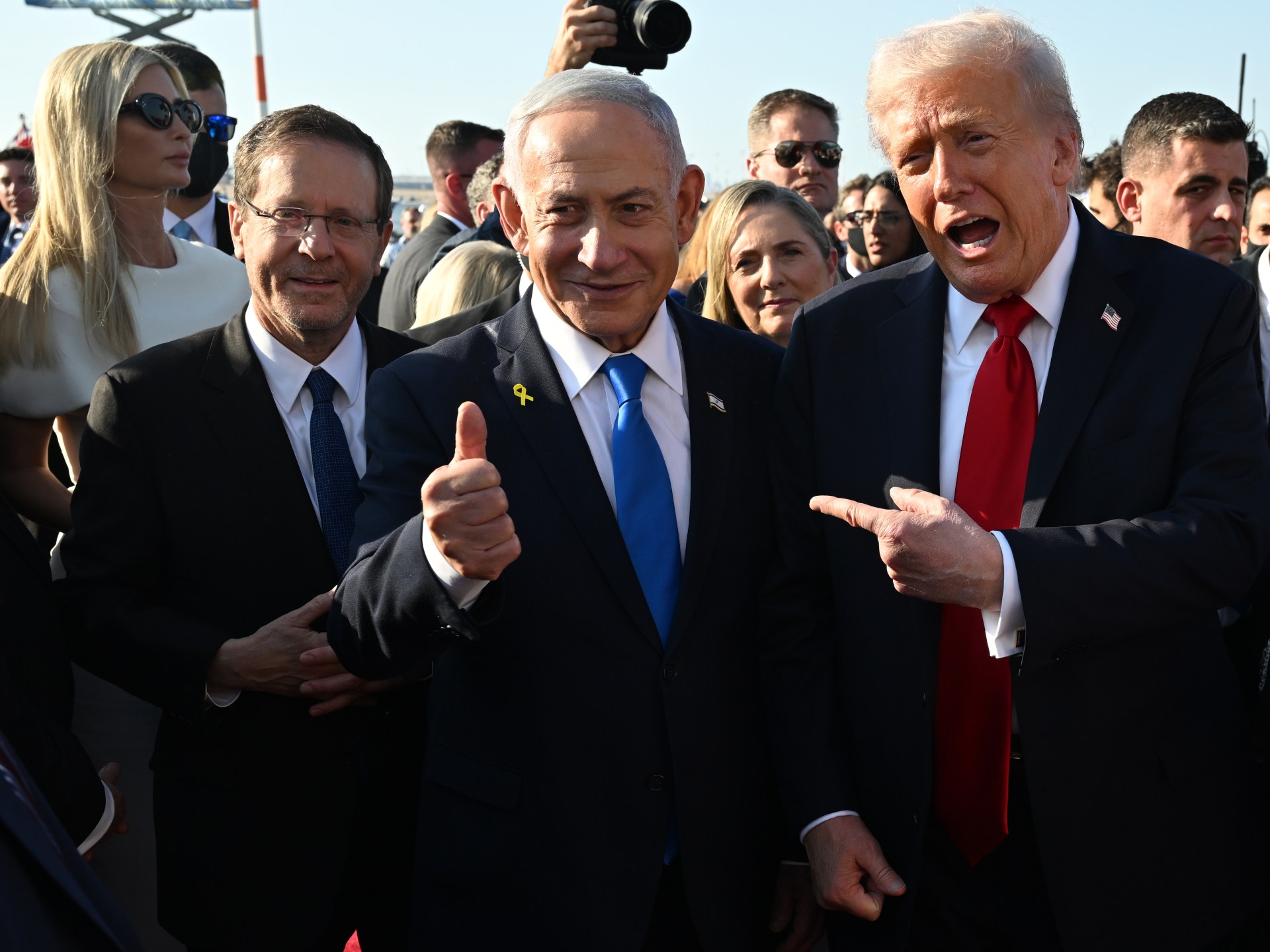
Former US President Donald Trump avoided a direct endorsement of Israeli Prime Minister Benjamin Netanyahu in a recent interview, sparking intense scrutiny across diplomatic and commodity markets.
Geopolitical & Core Developments
The complex diplomatic matrix binding Washington and Tel Aviv faced a subtle yet significant tremor following recent remarks by former US President Donald Trump. In a wide-ranging interview with Time magazine, Trump noticeably withheld a direct endorsement of Israeli Prime Minister Benjamin Netanyahu, even as he defended the embattled leader against domestic and international criticisms regarding intelligence failures connected to the October 7 attacks. This calculated ambiguity from a key American political figure has reverberated across international capitals, complicating the already fragile strategic calculations governing the Middle East.
The exchange highlights an underlying friction within transatlantic and regional alliances. While Netanyahu has historically cultivated strong ties with American conservative leadership, the refusal to offer an unqualified endorsement signals potential fractures in future coalition-building. State actors across the Middle East are closely monitoring these rhetorical shifts, evaluating whether future US administrations might alter military aid, diplomatic cover at the United Nations, or regional security architectures. The timeline of these declarations intersects critically with ongoing military campaigns in Gaza and Lebanon, elevating the stakes for regional stability and deterrence frameworks.
Global Trade & Economic Ripples
Beyond diplomatic parlors, the shifting rhetoric between Washington and Jerusalem casts a long shadow over international commodity markets, particularly global energy supplies. The Middle East remains the heartbeat of global petroleum logistics, and any perceived instability in US-Israel relations directly impacts risk premiums embedded in crude oil futures. Traders on major exchanges in London and New York continue to factor geopolitical risk into Brent and WTI pricing models, acutely aware that prolonged conflict or shifting diplomatic alignments could jeopardize vital shipping lanes, including the Bab el-Mandeb strait and the Suez Canal.
Supply chains handling petrochemicals, refined fuels, and industrial inputs face persistent volatility as shipping conglomerates constantly reassess maritime routes to avoid potential retaliatory strikes or regional escalations. Furthermore, currency markets are experiencing heightened sensitivity; safe-haven assets such as the US dollar and Swiss franc fluctuate in response to escalating rhetoric, while regional currencies face downward pressure. Investors are systematically re-evaluating capital allocation across emerging markets in the Middle East and North Africa, demanding higher yields to offset elevated geopolitical exposure.
Related Intelligence: Gaza Mass Burial Underscores Deepening Humanitarian Crisis Amid Regional Instability
International Reactions & Diplomatic Stances
Global bodies and multilateral institutions have reacted to the evolving diplomatic landscape with cautious diplomacy. Representatives at the United Nations have emphasized the urgent need for cohesive international pressure to secure humanitarian access and revive stalled ceasefire negotiations. European Union foreign policy desks have noted the divergence in political messaging from the United States, privately expressing concern that mixed signals from American political leaders could prolong diplomatic gridlock.
Market analysts and geopolitical risk consultancies have issued revised assessment notes to institutional clients, interpreting Trump's remarks as a tactical repositioning rather than an absolute break in US-Israel strategic consensus. However, credit rating agencies have warned that protracted regional instability, compounded by unpredictable political trajectories in Washington and Tel Aviv, could trigger sovereign credit rating downgrades for vulnerable economies heavily reliant on tourism, foreign investment, and stable energy imports.
Strategic Outlook & Future Scenarios
Looking ahead, the trajectory of US-Israel relations will likely hinge on upcoming electoral milestones, legislative developments in Washington, and the potential expansion of diplomatic summits aimed at architectural security in the Middle East. Should political leadership in the US shift toward a more conditional approach regarding foreign military assistance, Netanyahu's government may face severe domestic pressure to alter its military and diplomatic strategies.
Conversely, a hardening of regional alliances could precipitate further economic sanctions on non-state actors and state sponsors of instability, altering trade flows across the Levant and the Gulf. International investors and multinational corporations must maintain robust contingency planning, factoring in sudden regulatory shifts, maritime transit disruptions, and currency devaluations as standard operational parameters in an increasingly volatile global economy.
Join Our Official WhatsApp Channel
Receive live commodity alerts, policy changes, and commercial intelligence directly on WhatsApp.