
Israel Supreme Court Advises Arab Leader to Withdraw Election Bid
Israel's Supreme Court has advised an Arab party leader to drop an election bid following a Central Elections Committee ban, intensifying debates over minority political representation and democratic integrity.
Geopolitical & Core Developments
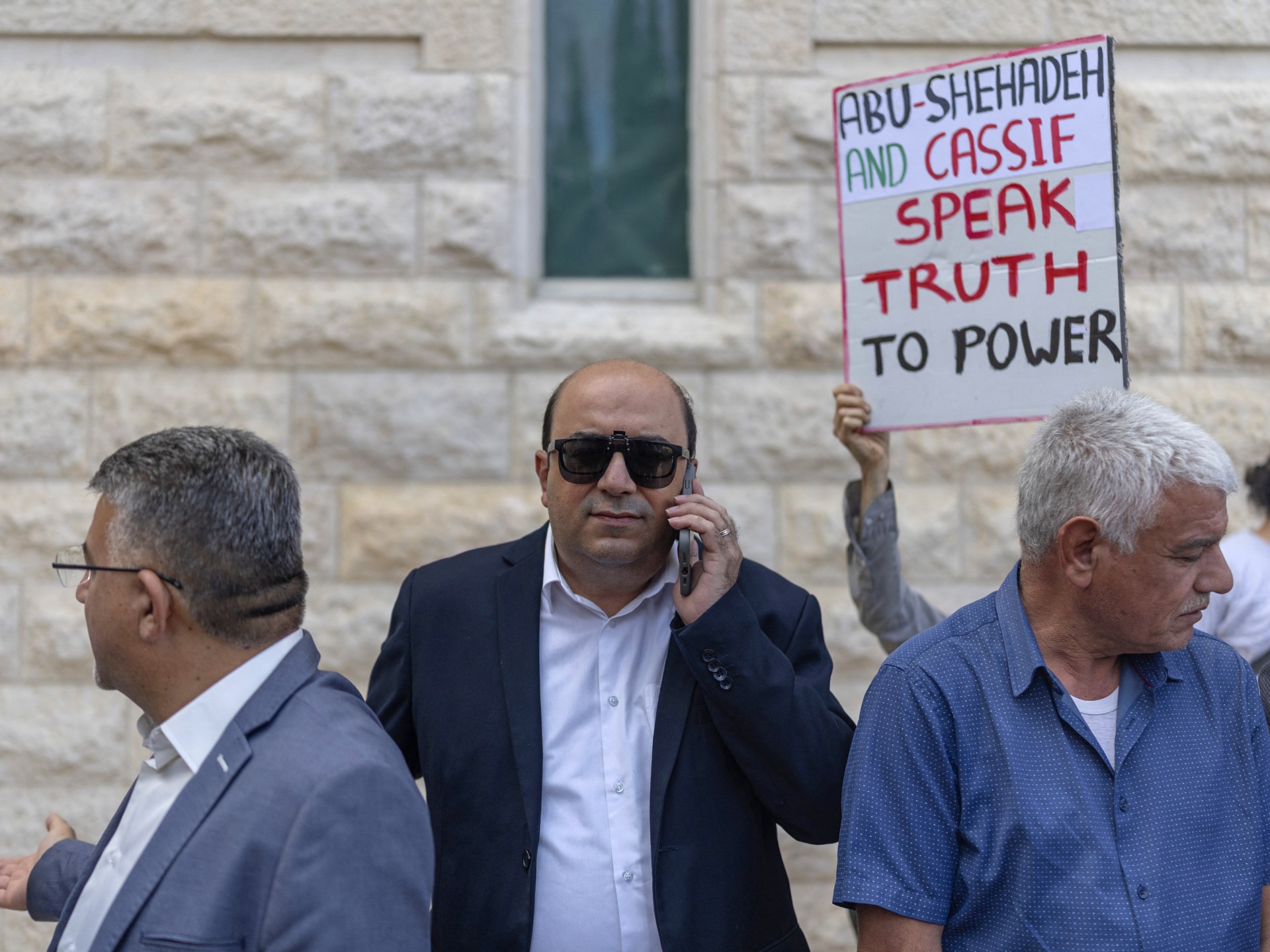
The political landscape of the Middle East faces renewed institutional friction following recent judicial maneuvers in Israel. Israel's Supreme Court has advised a prominent Arab party leader to withdraw an upcoming parliamentary election bid, navigating a complex legal and constitutional minefield. This development follows a contentious decision by the Central Elections Committee, which voted to bar both main Arab political lists and two specific candidates from participating in the national legislative elections.
The disqualification decisions underscore deep-seated polarization within the Israeli political establishment regarding the boundaries of political expression and the eligibility of minority representatives. Critics argue that these administrative bars disenfranchise the Arab minority, which constitutes approximately twenty percent of Israel's citizenry. Conversely, proponents of the bans cite constitutional provisions concerning state loyalty and security parameters. As legal battles unfold before the highest court, the core tenets of Israeli democracy, minority enfranchisement, and the balance of power between the judiciary and the legislature hang in a delicate equilibrium, setting a precedent that will shape domestic politics for years to come.
Global Trade & Economic Ripples
While the Supreme Court's deliberations are fundamentally domestic legal matters, heightened political uncertainty in Israel inevitably sends ripples through regional economic networks and international trade corridors. Israel remains a vital nexus for technology innovation, venture capital, and advanced manufacturing in the Eastern Mediterranean. Prolonged governmental instability or civil unrest can impact investor sentiment, foreign direct investment inflows, and currency valuations such as the Israeli New Shekel (ILS).
Furthermore, broader regional stability is intrinsically tied to global energy markets, particularly concerning offshore natural gas reserves in the Eastern Mediterranean basin, such as the Leviathan and Tamar fields. Any escalation of internal political strife or associated regional tensions risks complicating multilateral energy export agreements with neighboring states and European partners who are actively seeking diversified energy supplies amid ongoing global supply chain realignments. Commodity traders and institutional investors monitor these legal-political flashpoints closely to gauge potential disruptions to regional commercial logistics and maritime security lanes.
Related Intelligence: Pakistan Army Rejects Compromise on Terrorism Amid Regional Tensions
International Reactions & Diplomatic Stances
The judicial proceedings and electoral bans have drawn cautious attention from the international community, including diplomatic corps, human rights organizations, and multilateral monitoring bodies. Western allies and international legal experts emphasize the critical importance of inclusive democratic processes and the protection of minority voting rights as foundational elements of bilateral partnerships.
While foreign ministries typically characterize internal judicial reviews as matters of domestic sovereignty, multilateral bodies have privately and publicly expressed concern over measures that could narrow the scope of political pluralism. Regional actors and international observers note that the exclusion of major demographic segments from the formal legislative process risks deepening social fragmentation, potentially complicating ongoing normalization accords and regional diplomatic frameworks that rely on domestic political stability for sustainable implementation.
Strategic Outlook & Future Scenarios
Looking ahead, the final rulings issued by Israel's Supreme Court will serve as a critical watershed for the nation's political trajectory. Should the court uphold the electoral bans, analysts anticipate heightened civic mobilization, potential protests, and a protracted crisis of legitimacy among Arab Israeli communities. Conversely, a judicial reversal of the Central Elections Committee decisions would reaffirm the judiciary's role as a check against majoritarian political overreach.
For international markets and strategic planners, these scenarios underscore the volatile nature of Eastern Mediterranean geopolitics. Upcoming diplomatic summits, regional security dialogues, and bilateral trade negotiations will necessarily factor in the stability of Israel's governing institutions and the cohesion of its social fabric. Navigating these interconnected political and economic risks requires constant vigilance from global commodity traders, institutional investors, and foreign policy architects alike.
Join Our Official WhatsApp Channel
Receive live commodity alerts, policy changes, and commercial intelligence directly on WhatsApp.