
UK Detention of Veteran Human Rights Barrister Escalates Civil Liberties Standoff
The arrest of 94-year-old human rights barrister Margaret Owen OBE over Palestine Action support underscores rising legal and corporate tensions in the UK.
Geopolitical & Core Developments
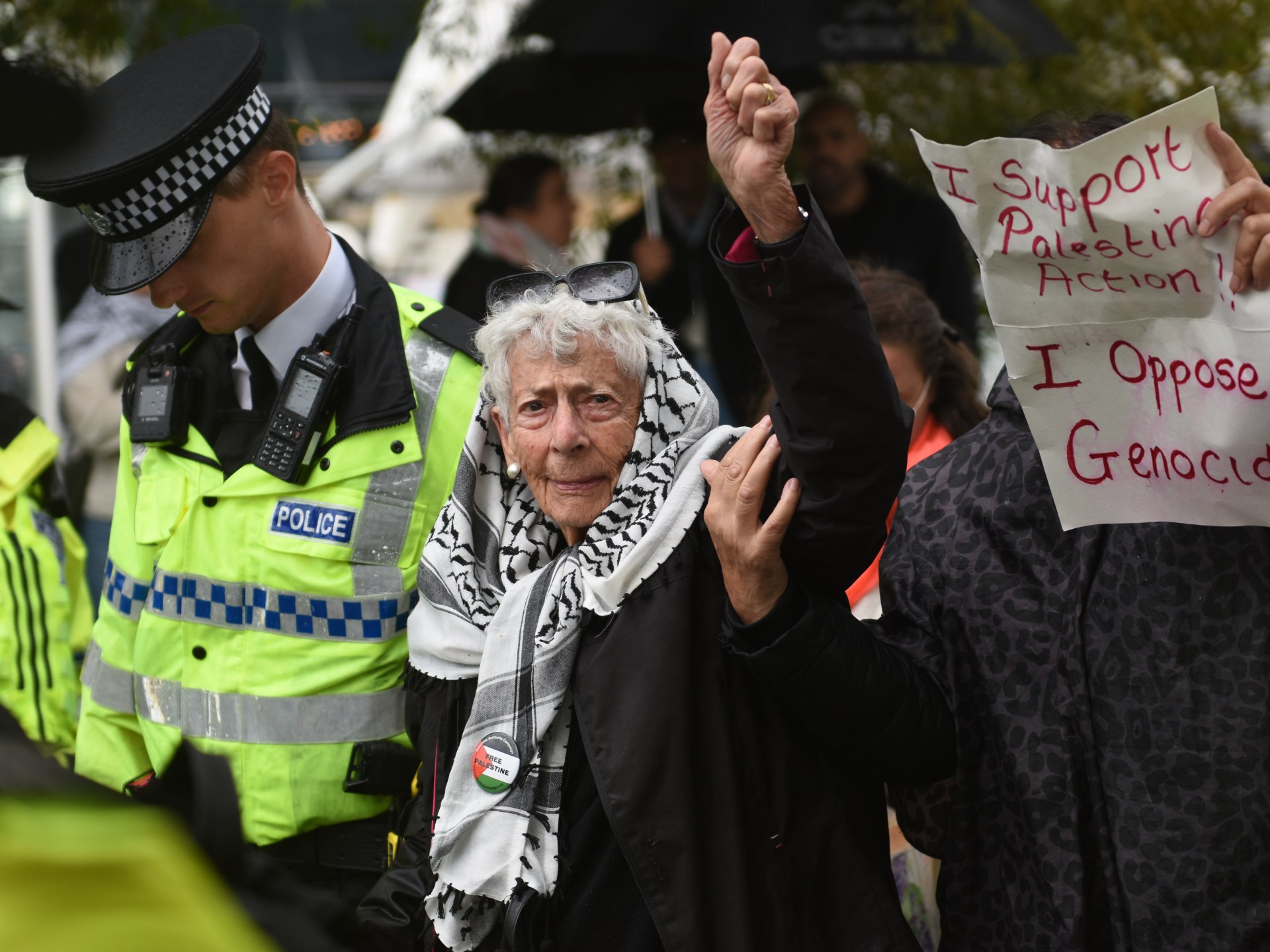
The arrest of 94-year-old human rights barrister and OBE recipient Margaret Owen in London has ignited a fierce domestic and international debate regarding the boundaries of dissent, civil liberties, and national security enforcement in the United Kingdom. Owen, a celebrated legal figure renowned for her decades-long defense of women's rights and international human rights law, was detained following her vocal support for Palestine Action, a direct-action network targeting defense facilities and supply chains associated with arms manufacturing.
The detention of such a prominent and elderly legal practitioner marks a significant inflection point in how British authorities handle civil disobedience connected to ongoing Middle Eastern conflicts. State security agencies and metropolitan police forces have increasingly utilized stringent counter-terrorism and public order legislation to preempt direct actions against defense manufacturing sites. This policy, however, has drawn sharp criticism from legal scholars and human rights organizations who argue that the criminalization of solidarity campaigns infringes upon fundamental democratic rights and established norms of peaceful protest.
Global Trade & Economic Ripples
While ostensibly a domestic legal and human rights controversy, the crackdown on Palestine Action and its supporters carries direct implications for global trade, particularly within the defense manufacturing, aerospace, and advanced engineering sectors. Palestine Action has consistently targeted facilities owned by multinational defense contractors, including Elbit Systems, which supply critical avionics, drone technology, and defense systems to international military buyers.
Disruptions at these manufacturing hubs threaten to create logistical bottlenecks and compliance challenges for global supply chains. Defense contractors operating in the UK are facing elevated security overheads, insurance premium adjustments, and heightened scrutiny from institutional investors adhering to Environmental, Social, and Governance (ESG) frameworks. Furthermore, international shipping lanes and technology transfer pipelines are increasingly vulnerable to secondary compliance risks as regulatory bodies evaluate the ethical provenance of components destined for conflict zones. Commodity markets dealing in specialized metals, rare-earth elements, and aerospace alloys are monitoring these developments closely, as prolonged facility blockages could impact regional manufacturing outputs and contract fulfillment timelines.
Related Intelligence: UK Blames Iran for RAF Base Incident as Middle East Tensions Spike
International Reactions & Diplomatic Stances
The detention has reverberated beyond British borders, drawing commentary from international legal observers, civil society networks, and foreign policy analysts. United Nations special rapporteurs and global human rights bodies have reiterated calls for member states to protect civic space and uphold the right to peaceful assembly, noting that the suppression of advocacy groups creates an unstable environment for foreign investment and legal certainty.
Domestically, the incident has exposed deep political fault lines. The connection of Owen—a respected establishment figure and acquaintance of prominent political families—to the protest movement has amplified media scrutiny. Market analysts and political risk consultants suggest that the aggressive policing strategy may paradoxically draw greater international attention to the corporate ties binding British industry to foreign military operations, complicating diplomatic efforts to project stability and rule-of-law adherence to international trading partners.
Strategic Outlook & Future Scenarios
Looking ahead, the trajectory of legal prosecutions against activists and supporters of Palestine Action will likely set a crucial precedent for corporate accountability and protest rights across Western economies. Upcoming parliamentary debates and judicial reviews regarding public order legislation will determine whether the UK adopts a more restrictive approach to civil disobedience or recalibrates its enforcement mechanisms.
For global corporations and institutional investors, the primary risk involves navigating complex reputational and regulatory landscapes where geopolitical activism intersects with commercial operations. As multinational supply chains face mounting pressure from both state regulators and activist networks, firms must enhance risk assessment protocols to anticipate logistical disruptions, legal challenges, and shifting compliance mandates in the global marketplace.
Join Our Official WhatsApp Channel
Receive live commodity alerts, policy changes, and commercial intelligence directly on WhatsApp.