
Pakistan Adjusts Fuel Tariffs As Petrol Rises And Diesel Dips
The Pakistani government has revised petroleum prices, raising petrol by Rs3.26 per litre while reducing high-speed diesel by Rs1.01 per litre under fresh OGRA notifications.
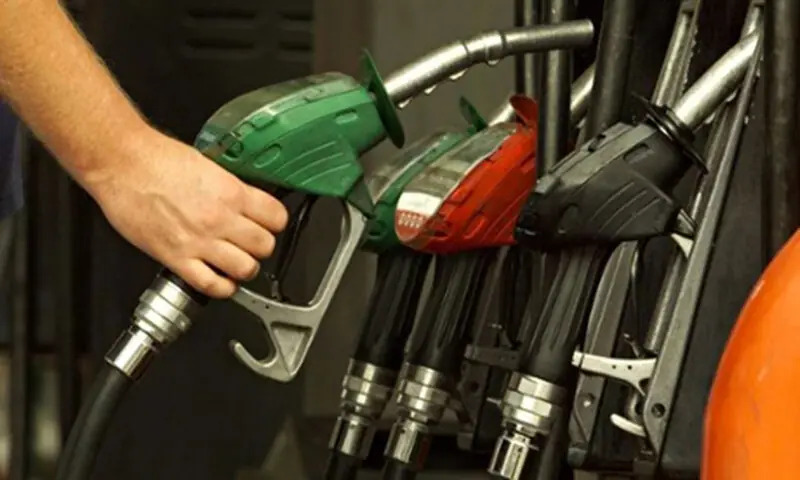
The Core Development
The federal government, following recommendations from the Oil and Gas Regulatory Authority (OGRA), has announced a fresh revision in petroleum product prices for the fortnightly review period. According to the official notification issued by the Ministry of Energy, the price of petrol has been increased by Rs3.26 per litre, pushing consumer costs upward across major metropolitan centers and retail outlets nationwide. Conversely, the price of high-speed diesel (HSD)—a critical fuel powering heavy transport, agriculture machinery, and logistics—has witnessed a slight downward adjustment, reduced by Rs1.01 per litre.
This bi-monthly pricing mechanism factors in international Brent crude oil fluctuations, premium costs incurred on refined product imports, and the prevailing exchange rate of the Pakistani Rupee against the US Dollar. The adjustments reflect ongoing fiscal calibrations agreed upon under broader macroeconomic frameworks, ensuring domestic price stabilization aligns reasonably with global energy market trends while safeguarding government tax collection targets through petroleum levies.
Commercial & Economic Implications
The upward tick in petrol prices carries immediate ramifications for urban commuters, private vehicle owners, and commercial fleet operators dependent on gasoline. Petrol serves as the primary fuel source for motorcycles and private cars, meaning any upward adjustment directly squeezes middle-income household budgets already grappling with persistent inflationary pressures. The incremental cost adds to daily operational expenses for ride-hailing services, delivery networks, and individual service providers.
On the other hand, the marginal relief in high-speed diesel pricing offers a minor reprieve to the agricultural and freight sectors. Diesel is deeply intertwined with the country's supply chain dynamics; it powers tractors, tube wells, cargo trucks, and inter-city transport networks. While a reduction of Rs1.01 per litre is modest, industry analysts note that stabilizing diesel costs helps prevent cascading inflationary shocks across food items and manufactured goods transported via heavy vehicles. However, macroeconomic observers caution that cumulative energy costs remain high, keeping core inflation sensitive to future global commodity swings.
Related Intelligence: French Student Protests Trigger Crisis Meetings and Commercial Uncertainty
Stakeholder Perspectives & Market Reactions
Trade bodies, transport associations, and consumer rights advocates have expressed mixed reactions to the latest fortnightly pricing notification. Representatives of public transport unions argued that while the diesel price cut is a welcome gesture, its impact on operational relief is negligible when weighed against soaring spare parts prices, toll taxes, and previous cumulative fuel hikes. Transporters reiterated demands for a more structured, long-term tariff relief policy to protect commercial operators from erratic fortnightly volatility.
Meanwhile, retail petroleum dealers operating under various oil marketing companies noted that volume sales remain constrained by declining purchasing power. Association representatives highlighted that fuel consumption patterns have plateaued as consumers optimize travel routes and shift toward fuel-efficient vehicles or alternative commuting modes. Economic experts observing the notifications emphasize that the government continues to navigate a delicate balancing act between meeting International Monetary Fund revenue conditions and shielding vulnerable economic segments from severe energy shocks.
Forward Outlook & Key Watchpoints
As Pakistan enters the upcoming fortnightly review cycle, market participants will closely monitor international crude oil trajectories, geopolitical developments in major energy-producing regions, and foreign exchange reserves stability. The sustainability of minor diesel reductions will depend largely on rupee-dollar parity movements. Policymakers face continued pressure to rationalize energy taxation structures to enhance industrial competitiveness while maintaining necessary fiscal discipline.
Join Our Official WhatsApp Channel
Receive live commodity alerts, policy changes, and commercial intelligence directly on WhatsApp.