
US Supreme Court to Review Trump Administration Transparency Dispute Over DOGE
The US Supreme Court has agreed to hear an expedited challenge over whether Elon Musk's Department of Government Efficiency must disclose internal records under federal transparency laws.
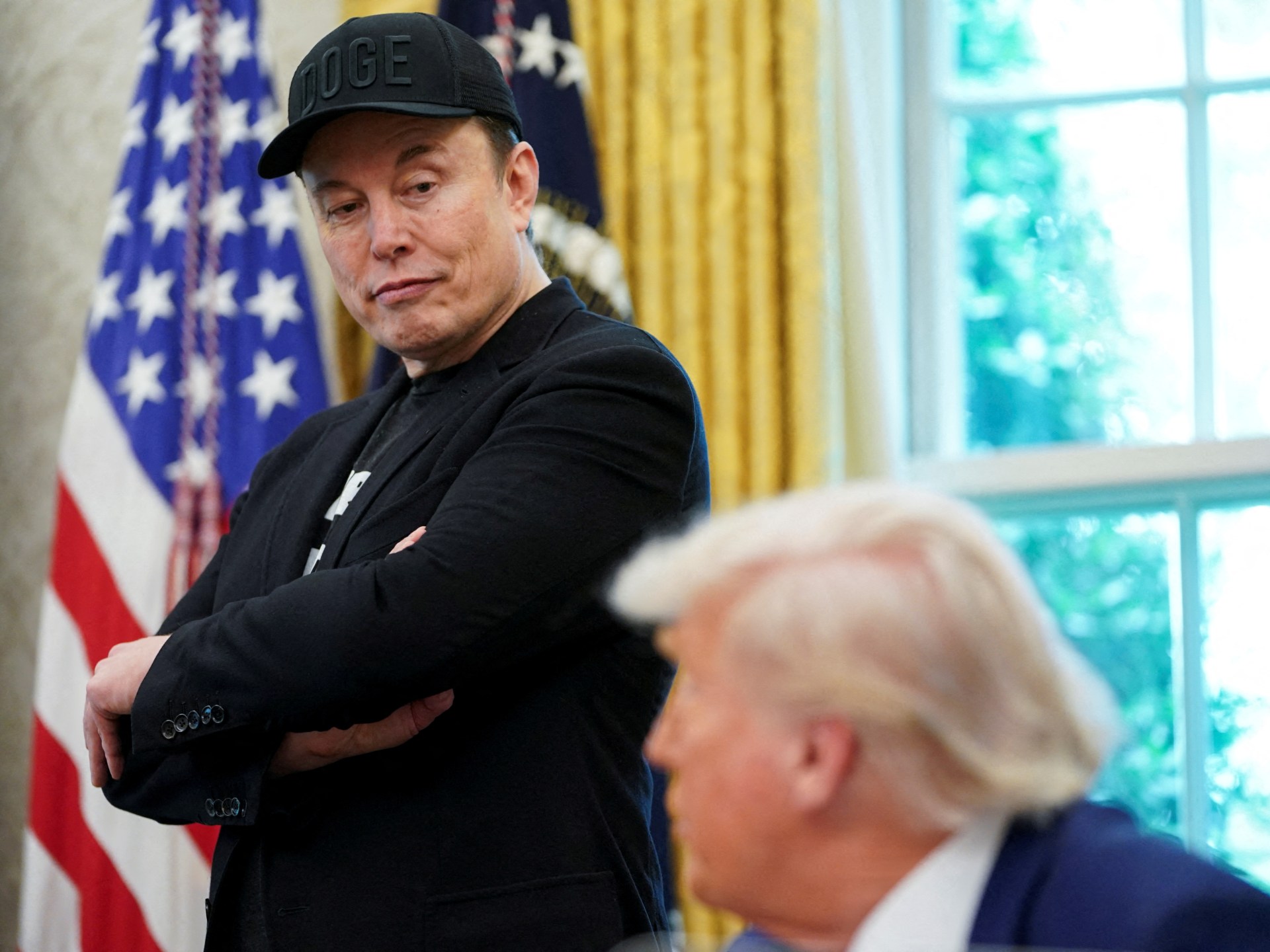
Geopolitical & Core Developments
The United States Supreme Court has intervened in a constitutional and administrative battle over government transparency, agreeing to review whether the Department of Government Efficiency (DOGE), led by billionaire Elon Musk, is exempt from federal public disclosure mandates. The case stems from lawsuits brought by government watchdog groups seeking internal communications, personnel frameworks, and advisory recommendations produced by the initiative established under President Donald Trump's administration.
The White House contends that DOGE operates purely as an advisory mechanism outside traditional executive branch departments, meaning its records fall outside the scope of the Freedom of Information Act (FOIA). Legal challengers argue that the entity exercises quasi-governmental powers, directs administrative restructuring across federal agencies, and exercises de facto executive authority without standard democratic checks and balances. The judicial review places the separation of powers into sharp focus, establishing a legal precedent for how sovereign executive authority interacts with privatized administrative reform.
Global Trade & Economic Ripples
While rooted in domestic legal interpretation, the operational mandate of DOGE carries direct ramifications for international commerce, global trade routes, and international commodity flows. The entity has targeted sweeping budget reductions and administrative consolidation across agencies that regulate maritime transport, international trade compliance, and defense procurement. Regulatory turbulence in Washington inevitably cascades into global markets, impacting capital allocation and foreign corporate sentiment.
International energy and manufacturing supply chains are particularly sensitive to shifts in federal agency remits. Reductions or delays in export-import licensing, environmental reviews, or customs agency modernization could disrupt bulk commodity clearances and global freight logistics. Furthermore, institutional instability or abrupt policy cancellations by advisory bodies without statutory oversight create unpredictability for foreign direct investment into US infrastructure, advanced manufacturing, and strategic technology sectors, prompting global funds to recalibrate sovereign risk exposure.
Related Intelligence: White House Shakeup Fuels Diplomatic Scrutiny Over US Strategic Continuity
International Reactions & Diplomatic Stances
Allied governments and multilateral institutions are monitoring the case as a litmus test for the predictability of US policy execution. European Union officials and trade representatives have privately voiced concern over whether deregulation and federal restructuring could run counter to established bilateral regulatory harmonization, standard-setting frameworks, and trans-Atlantic trade pacts.
Market analysts and constitutional legal scholars across G7 capitals observe that a ruling favoring blanket exemption would set an unprecedented model for outsourcing public administration to non-statutory bodies. Conversely, transparency advocates warn that shielding state-directing advisory councils undermines standard international anti-corruption norms established under the OECD and United Nations conventions on public governance. Sovereign credit rating agencies have highlighted institutional durability and governance consistency as structural components supporting US sovereign debt dynamics.
Strategic Outlook & Future Scenarios
The Supreme Court is expected to hear oral arguments in the coming months, with a final ruling anticipated before the close of its current term. The verdict presents two distinct operational trajectories for international stakeholders. A decision upholding total administrative opacity would empower DOGE to accelerate federal overhauls without public scrutiny, leading to sudden procurement cancellations, agency restructuring, and potential friction with international trading partners.
Conversely, if the high court determines that DOGE meets the threshold of a government agency subject to disclosure laws, internal plans regarding regulatory reforms, contract audits, and public spending cutbacks will become public record. Such transparency would grant global businesses and trade counterparties early visibility into structural realignments across American trade infrastructure, regulatory regimes, and global supply chain partnerships.
Join Our Official WhatsApp Channel
Receive live commodity alerts, policy changes, and commercial intelligence directly on WhatsApp.