
UK National Security Adviser Faces Scrutiny Over Palestine Action Post
British police are reviewing social media posts by the spouse of Prime Minister Keir Starmer's National Security Adviser expressing support for Palestine Action, complicating London's defense diplomacy.
Geopolitical & Core Developments
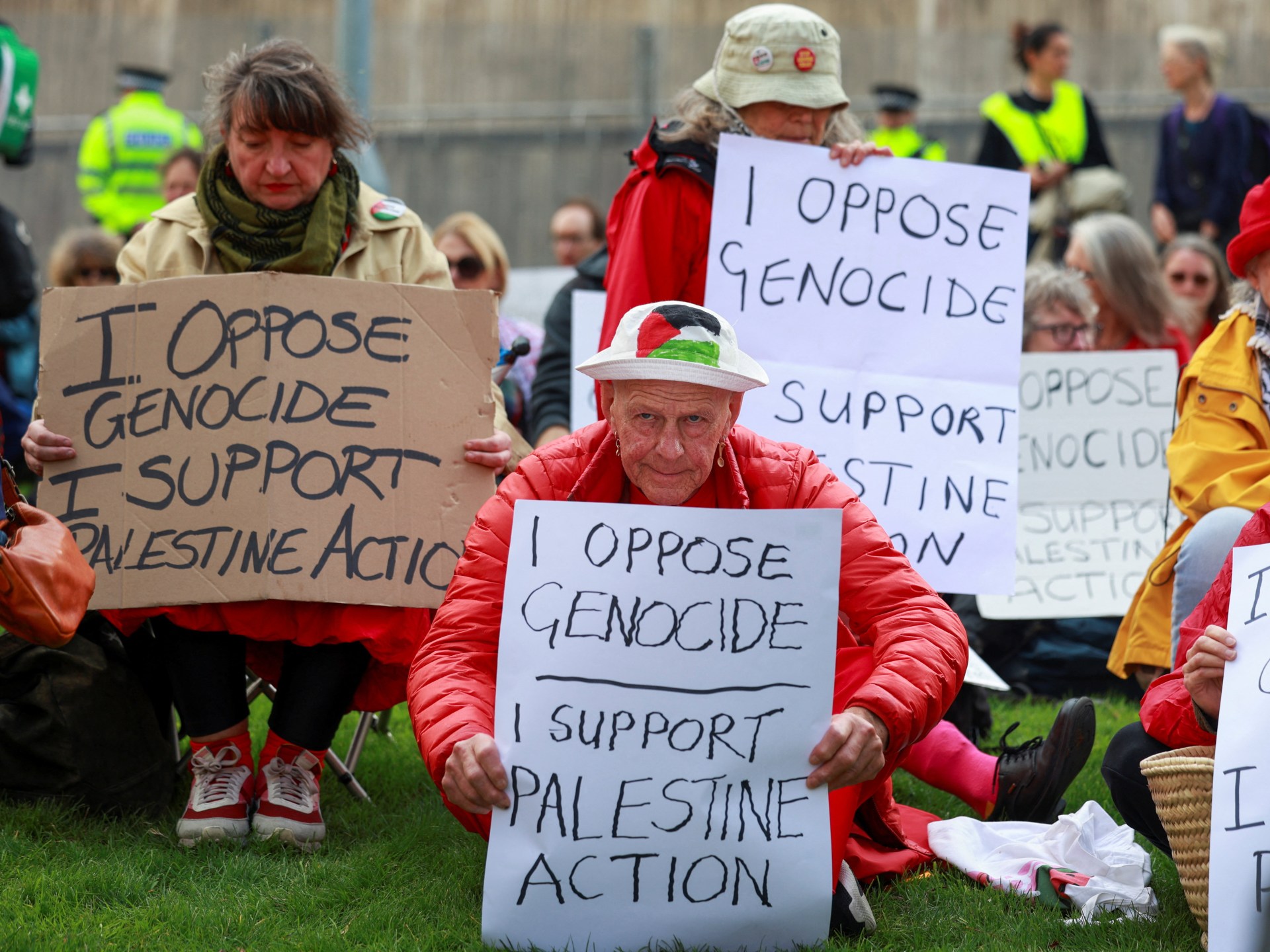
A political and security controversy has emerged in the United Kingdom following confirmation that British police are reviewing online statements made by writer Sarah Helm, spouse of the UK Prime Minister's National Security Adviser, Jonathan Powell. Helm's public posts expressed sympathy with direct-action group Palestine Action, an activist network known for aggressive civil disobedience campaigns targeting corporate defense infrastructure across Britain. The incident introduces sharp domestic friction into Prime Minister Keir Starmer's administration, exposing institutional vulnerabilities at the highest echelon of British foreign policy apparatus.
Palestine Action has repeatedly targeted facilities linked to Israeli defense contractor Elbit Systems, alongside associated logistics providers, component manufacturers, and institutional financial backers across the UK and mainland Europe. The group's disruptive methods—involving property damage, facility occupations, and transport blockades—have positioned it under heightened surveillance by domestic intelligence agencies. Powell, a seasoned diplomatic envoy instrumental in historical peace negotiations who was appointed to coordinate cross-departmental security strategy, now faces intense pressure from conservative opposition lawmakers and defense think tanks questioning potential conflicts of interest within Whitehall.
Global Trade & Economic Ripples
While the controversy centers on domestic political optics, the underlying friction reflects mounting operational risks for international defense supply chains and corporate physical security. The targeted infrastructure includes high-precision aerospace components, drone electronics, and specialized optics integral to Western allied military procurement. Continuous direct-action interventions have forced multinational defense conglomerates to dramatically scale up asset protection, perimeter security, and insurance coverage across European operations, elevating overhead costs in an already tight fiscal environment.
Furthermore, institutional investors and commercial real estate funds managing industrial manufacturing parks are increasingly recalibrating risk premiums. Threats of supply chain interruptions from civil sabotage introduce localized logistics bottlenecks, occasionally delaying the export of dual-use technologies and precision hardware through major European shipping hubs. While sovereign bond yields and foreign exchange markets remain insulated from the immediate political dispute, heightened political scrutiny regarding UK defense exports risks compounding delays for pending export credit facilities and strategic procurement licenses.
Related Intelligence: Government Slashes Petrol Price While Maintaining High-Speed Diesel Rates
International Reactions & Diplomatic Stances
The episode has prompted swift reactions from diplomatic observers and international security analysts. Israeli diplomatic officials have consistently urged European partners to enforce stringent legal measures against domestic groups targeting allied defense contractors, emphasizing the legal obligations of host states to secure corporate facilities against unauthorized physical breach. Within the UK, parliamentary opposition members have demanded clarifications regarding Powell's vetting processes, arguing that any perceived ambiguity toward illicit direct action undermines the credibility of the UK National Security Council.
Conversely, legal advocacy groups and civil liberties organizations have cautioned against the disproportionate criminalization of political discourse, arguing that expressing sympathy with activist movements falls within protected freedom of expression under international human rights frameworks. The Metropolitan Police have maintained a measured public posture, confirming that assessments of the material are conducted strictly in accordance with statutory guidelines governing incitement and public order offenses.
Strategic Outlook & Future Scenarios
The medium-term trajectory of this dispute hinges on the formal outcome of the police assessment and the subsequent political fallout within Downing Street. Should the inquiry escalate into formal proceedings, Downing Street will face acute pressure to restructure oversight within the National Security Secretariat to insulate international intelligence coordination from domestic political liabilities.
Beyond personnel implications, the development highlights a broader structural challenge facing Western democracies: managing deep domestic polarization over Middle Eastern foreign policy while maintaining robust strategic alliances and defense manufacturing commitments. As European governments review public order legislation and infrastructure protection mandates ahead of scheduled NATO procurement summits, London's management of this internal diplomatic vulnerability will serve as a bellwether for allied resilience against asymmetric domestic operational disruptions.
Join Our Official WhatsApp Channel
Receive live commodity alerts, policy changes, and commercial intelligence directly on WhatsApp.