
US Push for Saudi F-35 Fighter Sale Sparks Regional Geopolitical Shift
The United States is deliberating the sale of advanced F-35 fighter jets to Saudi Arabia, a move tied to historic normalization pacts that threatens to reshape Middle Eastern defense parity and global energy alignments.
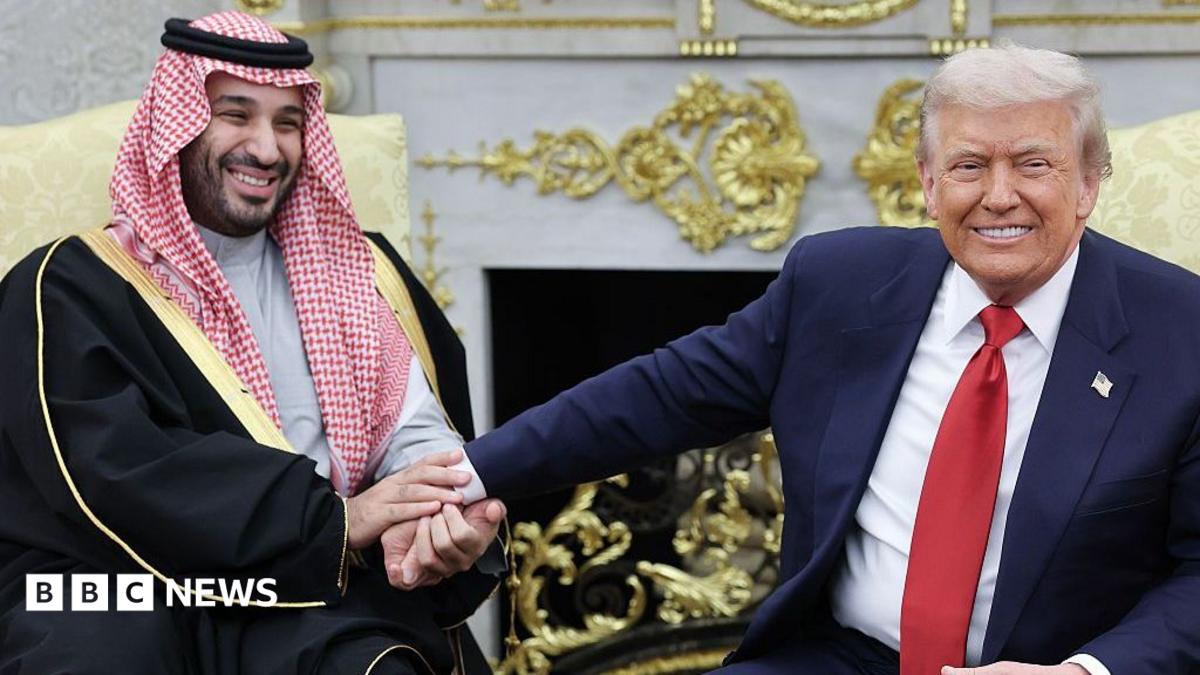
Geopolitical & Core Developments
The diplomatic maneuvering surrounding the potential transfer of Lockheed Martin F-35 Lightning II fifth-generation multirole stealth fighters to the Kingdom of Saudi Arabia marks a critical juncture in Middle Eastern security architecture. For years, Riyadh has aggressively lobbied Washington for access to the platform to modernize the Royal Saudi Air Force and counterbalance regional threats, predominantly posed by Iran and its non-state proxies. However, the proposed transaction is not a conventional arms export; it is intricately bound to high-stakes trilateral negotiations aimed at securing formal diplomatic normalization between Saudi Arabia and Israel, alongside a bilateral US-Saudi civil nuclear framework and a formal mutual defense treaty.
The strategic stakes are heightened by Washington's determination to constrain Beijing's burgeoning footprint in the Gulf. US defense officials have conditioned advanced military tech transfers on stringent safeguards, demanding that Riyadh restrict its integration of Chinese telecommunications infrastructure, specifically Huawei 5G networks, and halt sensitive military cooperation with China. Navigating this geopolitical matrix requires balancing Saudi sovereign defense ambitions against Washington's technological protectionism and existing statutory commitments.
Global Trade & Economic Ripples
The economic dimensions of an F-35 acquisition extend far beyond the immediate multi-billion-dollar transaction for US defense primes such as Lockheed Martin, Pratt & Whitney, and Northrop Grumman. An upgraded Saudi air wing directly influences the security calculus governing global energy transit routes. Saudi Arabia remains the linchpin of global crude supplies and leader of the OPEC+ alliance; fortifying its sovereign defense shields critical energy infrastructure—such as the Abqaiq processing facilities and Ras Tanura terminals—against asymmetric drone and ballistic missile threats.
Furthermore, bolstering Gulf aerial deterrence carries profound implications for maritime commerce across the Red Sea and the Strait of Hormuz, choke points through which approximately twenty percent of international petroleum and trillions of dollars in maritime container trade transit annually. Market analysts emphasize that securing these corridors reduces shipping war-risk premiums and curtails inflationary pressures across global supply chains. Strategically, anchoring Saudi defense capabilities to US hardware also reinforces the primacy of the petrodollar, countering alternative efforts to settle international hydrocarbons in non-Western currencies.
Related Intelligence: Pakistan Reaffirms Defense Pledge to Saudi Arabia Amid Deepening Economic Ties
International Reactions & Diplomatic Stances
The prospect of delivering stealth capabilities to Riyadh has elicited polarized reactions across global capitals. In Washington, Capitol Hill remains deeply divided. Lawmakers across both parties have raised concerns regarding human rights records, the legacy of the Yemen conflict, and the risk of sophisticated avionics falling under espionage exposure. Central to legislative pushback is the US statutory obligation to preserve Israel's Qualitative Military Edge, a doctrine codified into US law requiring that any arms sale to regional nations must not compromise Israel's technical military superiority.
While Israeli defense officials have expressed private trepidation regarding parity in regional airspace, political leadership under Prime Minister Benjamin Netanyahu remains incentivized by the generational prospect of formal normalization with Riyadh. In Tehran, the Iranian Foreign Ministry has repeatedly condemned the proposed arms transfer as a destabilizing catalyst that fuels a regional arms race and expands Western military hegemony. Meanwhile, Beijing has maintained that Gulf security should be preserved through inclusive regional dialogues rather than exclusive bilateral defense pacts designed to establish foreign spheres of influence.
Strategic Outlook & Future Scenarios
The trajectory of the F-35 sale will largely depend on the broader architecture of a comprehensive US-Saudi pact and the resolution of the Gaza crisis, which remains a prerequisite for Saudi leadership to normalize ties with Israel. Any formal agreement will face stringent scrutiny in the US Senate, where a two-thirds majority would be required to ratify a formal defense treaty, alongside separate approvals under the Arms Export Control Act.
Should Washington fail to deliver the stealth platform, Riyadh is likely to diversify its strategic procurement. The Kingdom could expand existing orders for European platforms such as the Eurofighter Typhoon, or accelerate collaborative defense initiatives with emerging powers, including deeper procurement from Chinese state-owned manufacturers. In the immediate term, multilateral forums and defense summits will center on risk-mitigation protocols, including software partitioned access and end-use monitoring. The eventual outcome will dictate whether the Gulf transitions into a unified, US-backed air defense collective or enters a fragmented era of multipolar defense procurement.
Join Our Official WhatsApp Channel
Receive live commodity alerts, policy changes, and commercial intelligence directly on WhatsApp.