
Pakistan Reaffirms Defense Pledge to Saudi Arabia Amid Deepening Economic Ties
Pakistan's military leadership has pledged to go to any extent to defend Saudi Arabia, reinforcing a strategic partnership critical to Pakistan's sovereign balance sheet, bilateral investments, and national energy security.
The Core Development
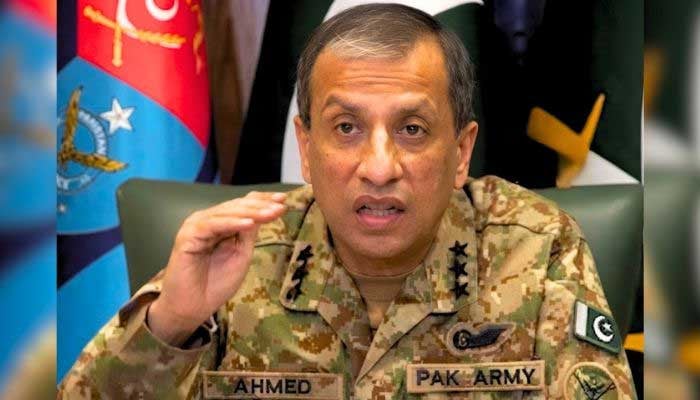
The Director General of Inter-Services Public Relations (ISPR) has formally declared that Pakistan will go to any extent to ensure the defense, security, and territorial integrity of the Kingdom of Saudi Arabia. The military spokesperson highlighted the deep-rooted, historic security architecture connecting Islamabad and Riyadh, reaffirming that the defense of the Holy Land remains an inviolable priority for Pakistan's armed forces. This strategic reassurance comes amid ongoing diplomatic, defense, and economic consultations between the two sovereign nations, consolidating decades of shared security cooperation governed by bilateral defense agreements dating back to 1982.
The military command emphasised that the defense collaboration encompasses continuous operational cooperation, extensive joint training missions, intelligence coordination, and strategic advisory deployments. This declaration follows a sequence of high-level military and governmental exchanges aimed at modernizing bilateral security frameworks in response to shifting regional dynamics. By asserting an absolute defense commitment, Pakistan signals steadfast continuity in its institutional doctrine, confirming that Riyadh retains the full conventional deterrence capability of Pakistan as a strategic partner.
Commercial & Economic Implications
Beyond the geopolitical signaling, the military commitment has immediate structural ramifications for Pakistan's financial stability and domestic commercial landscape. Saudi Arabia functions as a cornerstone creditor and energy supplier for Pakistan. The macroeconomic equilibrium of the country depends heavily on Saudi financial intervention, particularly the rollover of 3 billion dollars placed on deposit with the State Bank of Pakistan (SBP), alongside deferred-payment oil financing mechanisms. The reinforcement of military alignment removes sovereign risk premiums associated with bilateral finance, guaranteeing liquidity injections that prevent drastic foreign exchange volatility.
For wholesale merchants, commercial distributors, and retail operators in Pakistan, foreign exchange stability is the single most critical variable dictating operational viability. Currency depreciation instantly inflates the landed cost of imported intermediate inputs, packaging supplies, and petroleum products. The assurance of Saudi economic patronage preserves import predictability for supply chains, helping mitigate imported inflationary shocks. Furthermore, over 2.7 million Pakistani expatriates residing in the Kingdom generate more than 6.5 billion dollars in annual remittances. Sustained bilateral harmony directly protects this vital inflow of expatriate capital, which provides liquidity to domestic consumer spending and sustains retail sales across secondary and tertiary consumer markets.
Related Intelligence: Deadly Blast at Kohat Police Lines Heightens Security and Economic Concerns
Stakeholder Perspectives & Market Reactions
Financial markets and corporate leadership have responded constructively to the reaffirmed defense doctrine. Equities on the Pakistan Stock Exchange (PSX) exhibited sustained interest across commercial banking, energy, and cement sectors, with market analysts attributing resilience to diminished geopolitical ambiguity and strengthened economic backing from the Gulf. Corporate leaders argue that national defense guarantees represent the prerequisite foundation for attracting large-scale sovereign wealth capital.
Leadership within the Federation of Pakistan Chambers of Commerce and Industry (FPCCI) and major wholesale trade bodies noted that foreign capital deployment requires uncompromised state-to-state trust. Observers emphasize that strategic defense ties are currently opening doors for Saudi commitments under the Special Investment Facilitation Council (SIFC), notably the planned Saudi Aramco investments in domestic fuel distribution networks, a projected greenfield oil refinery, and equity acquisitions in the Reko Diq copper-gold project. Trade associations maintain that these macroeconomic stabilizers will ease supply-side pressure on domestic enterprise, keeping borrowing costs manageable and consumer sentiment buoyant.
Forward Outlook & Key Watchpoints
In the immediate term, policy watchers and institutional investors will monitor official follow-up delegations scheduled between Riyadh and Islamabad. Key metrics to track include the timeline for finalized Saudi equity investments through the SIFC, particularly within the energy and mining sectors, and the execution of joint industrial ventures involving defense production units such as Heavy Industries Taxila (HIT) and Pakistan Aeronautical Complex (PAC).
Additionally, observers will track the formal renewals of State Bank deposit facilities and potential expansions in bilateral currency-swap frameworks. Should bilateral defense alignment translate into accelerated foreign direct investment, Pakistan's external balance will stabilize significantly, lowering supply-chain bottlenecks and reinforcing commercial purchasing power across all wholesale and retail distribution corridors over the coming quarters.
Join Our Official WhatsApp Channel
Receive live commodity alerts, policy changes, and commercial intelligence directly on WhatsApp.