
UN Panel Accuses US of Potential War Crimes in Iran Strikes
United Nations human rights experts have identified credible grounds indicating that unacknowledged US strikes on civilian sites in southern Iran breached the laws of war, escalating regional tensions and threatening critical maritime energy corridors.
Geopolitical & Core Developments
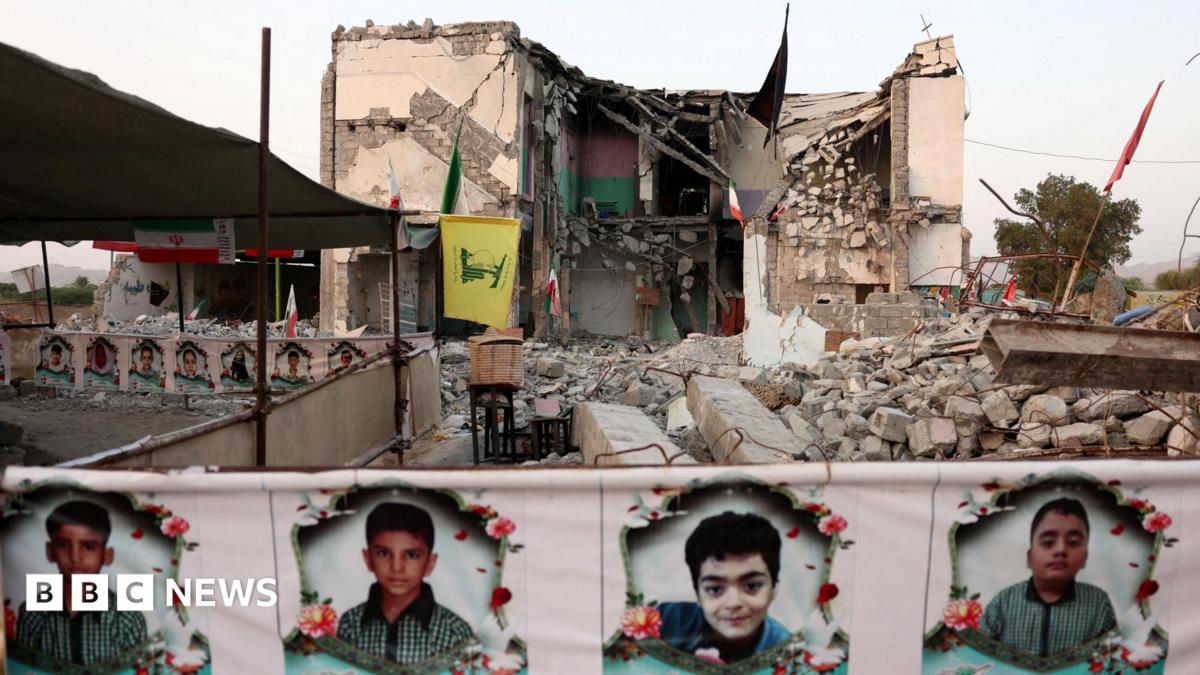
A panel of United Nations human rights experts has determined that there are credible grounds to believe the United States committed war crimes during military strikes carried out inside Iran earlier this year. The findings center on lethal operations conducted in February that struck civilian infrastructure, specifically a primary school in the southern municipality of Minab and a municipal sports complex in Lamerd. Washington has steadfastly maintained operational silence, refusing to publicly acknowledge or verify its involvement in the deadly kinetic actions.
The strikes represent a perilous departure from traditional containment strategies, crossing established thresholds by striking deep inside sovereign Iranian territory. According to international legal investigators, targeting educational and recreational facilities devoid of verified military utility represents a severe violation of international humanitarian law, particularly the foundational principles of distinction, proportionality, and precaution codified under the Geneva Conventions. The timing of the strikes coincides with an increasingly volatile confrontation across the Middle East, marked by asymmetric maritime engagements, cross-border missile exchanges, and proxy combat that have systematically undermined regional security architectures.
Global Trade & Economic Ripples
The strategic and diplomatic fallout carries acute consequences for international commodity flows and global trade logistics. Both Minab, situated in Hormozgan province, and Lamerd, located in Fars province, sit in critical geographic proximity to the Strait of Hormuz—the maritime chokepoint through which approximately one-fifth of global petroleum consumption passes daily.
In the immediate wake of the UN revelations, international commodity desks recorded heightened risk premiums on prompt Brent crude contracts and regional liquefied natural gas shipments. Maritime underwriters have begun reassessing vessel threat profiles across the Persian Gulf and the Gulf of Oman, prompting upward adjustments to war-risk premiums for commercial tankers. The prospect of retaliatory strikes poses severe operational challenges for international shipping conglomerates, which are already contending with extended transit routes, logistical bottlenecks, and elevated bunker fuel expenditures stemming from ongoing maritime disruptions throughout the Red Sea corridor.
Related Intelligence: Canada Backs Groundbreaking European Union Associate Membership Proposal to Deepen Ties
International Reactions & Diplomatic Stances
The panel's assessment has triggered acute diplomatic friction across multilateral institutions. Iranian officials in Tehran issued vehement condemnations, characterizing the strikes as state-sponsored terrorism and formalizing requests for emergency deliberations at the United Nations Security Council, alongside potential filings before international legal tribunals in The Hague. Iranian diplomats argued that fatal strikes against primary education facilities demand multilateral accountability and punitive diplomatic measures.
In Washington, defense officials and the State Department have adhered to a posture of deliberate strategic ambiguity, declining to comment directly on specific clandestine operations targeting suspected regional security threats. European Union officials adopted a guarded tone, reaffirming the imperative for all sovereign states to strictly uphold international humanitarian law while privately urging diplomatic restraint to prevent an uncontrollable regional escalation. Multilateral watchdogs warned that unaddressed violations risk eroding the legal norms governing the conduct of modern warfare.
Strategic Outlook & Future Scenarios
The trajectory of US-Iran relations now depends on retaliatory calculus and diplomatic containment. Analysts expect Tehran to leverage the UN findings across multilateral bodies to consolidate diplomatic backing across the Global South and strengthen strategic alignment within the BRICS framework, where member states have frequently criticized unilateral Western military actions.
Simultaneously, legal momentum may accelerate demands within the UN Human Rights Council to establish an independent, formal commission of inquiry to document casualty registries and analyze forensic evidence. Should diplomatic avenues remain stalled, defense analysts warn of heightened vulnerabilities for energy infrastructure, offshore extraction platforms, and commercial shipping lanes across the Persian Gulf basin, ensuring that global commodity markets remain acutely sensitive to further kinetic escalation.
Join Our Official WhatsApp Channel
Receive live commodity alerts, policy changes, and commercial intelligence directly on WhatsApp.