
US Rejects Iranian Strait of Hormuz Proposal Amid Stalemate
Washington has rejected a recent Iranian proposal to reopen the strategic Strait of Hormuz, maintaining a tense stalemate that threatens global energy markets and Pakistani trade stability.
The Core Development
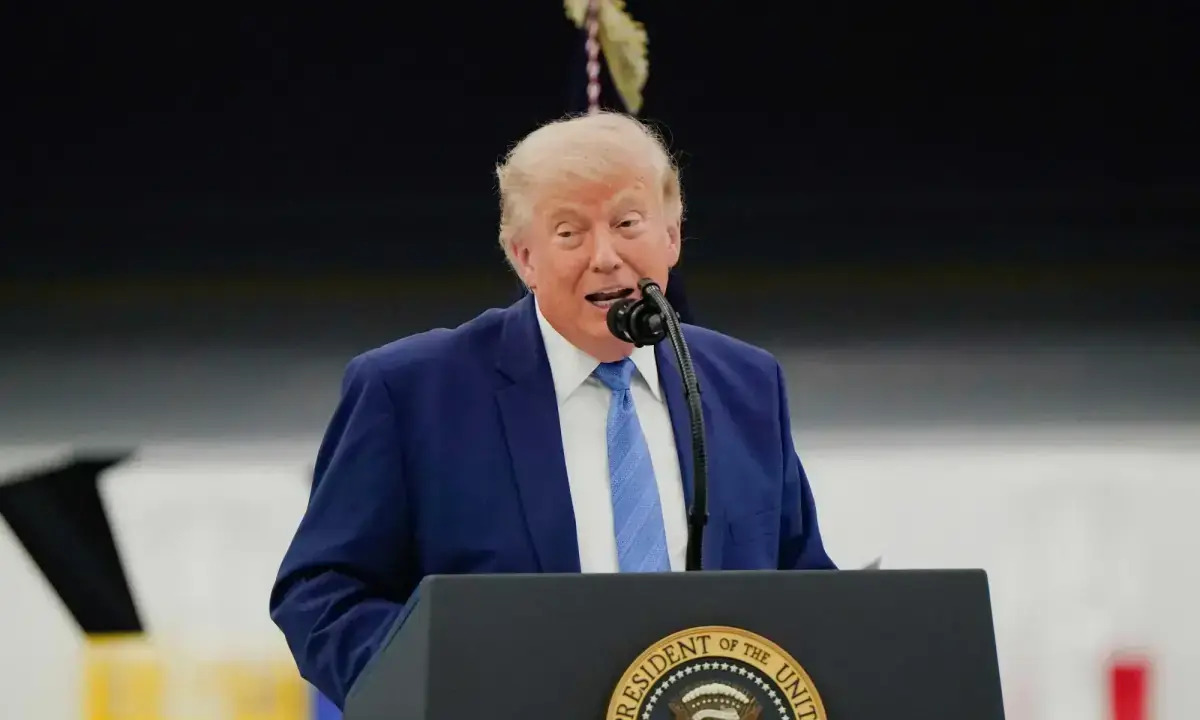
Tensions in the Middle East escalated further this week as diplomatic momentum suffered a severe setback at the United Nations General Assembly in New York. Iran reportedly put forward a comprehensive diplomatic initiative aimed at de-escalating the nearly seven-month-old conflict and reopening the vital Strait of Hormuz to international shipping. The proposal, transmitted to Washington through Qatari diplomatic channels, followed high-stakes discussions on Tuesday between Iranian Foreign Minister Abbas Araghchi and US President Donald Trump’s special envoy, Steve Witkoff. Despite initial optimism surrounding these backchannel mediation efforts, reports emerged within hours confirming that President Trump had summarily rejected the Iranian terms. The Strait of Hormuz remains a critical global chokepoint, handling a massive share of the world's petroleum transit, and its continued closure has paralyzed traditional maritime routes, reinforcing a deep geopolitical stalemate between Washington and Tehran.
Commercial & Economic Implications
For an import-dependent economy like Pakistan, the prolonged closure of the Strait of Hormuz carries severe macroeconomic and commercial repercussions. As a primary artery for global energy transport, any disruption or protracted standoff in these waters directly impacts international crude oil benchmarks. For Pakistani retail markets and wholesale distributors, soaring energy import bills translate swiftly into heightened transport costs, depressed industrial output, and compounding inflationary pressures. Local businesses face tightening margins as petroleum, oil, and lubricant (POL) prices fluctuate wildly, cascading down to everyday consumer goods, food distribution networks, and manufacturing overheads. Furthermore, supply chain bottlenecks threaten to inflate import tariffs and raw material costs, straining Pakistan's foreign exchange reserves as the country struggles to stabilize its external account balances amidst external shocks.
Related Intelligence: Gaza Housing Crisis Deepens Amid Protracted Conflict and Regional Instability
Stakeholder Perspectives & Market Reactions
Business councils, trade associations, and energy analysts in Pakistan have expressed deep apprehension over the breakdown in US-Iran negotiations. Representatives from key industrial chambers note that prolonged maritime insecurity in the Persian Gulf undermines regional trade corridors and dampens investor confidence across South Asia. Legal experts and policy commentators point out that the failure of current UN-brokered mediation highlights the fragility of contemporary international diplomacy, leaving emerging economies vulnerable to unilateral policy decisions made in Washington and Tehran. Meanwhile, domestic energy sector stakeholders are urging the government to diversify its petroleum procurement sources and reinforce strategic reserves to cushion local markets against sudden supply shocks resulting from the ongoing maritime standoff.
Forward Outlook & Key Watchpoints
As diplomatic channels face a temporary freeze following the rejection of the Hormuz plan, market participants and policymakers will monitor several critical indicators over the coming weeks. Key watchpoints include potential secondary mediation efforts by regional intermediaries such as Qatar and Oman, any shifts in US enforcement of maritime sanctions, and immediate movements in Brent crude futures. For Pakistan, maintaining economic resilience will depend heavily on adaptive fiscal management, aggressive energy conservation measures, and close observation of geopolitical developments in the Gulf to pre-empt inflationary spikes before they destabilize domestic retail markets.
Join Our Official WhatsApp Channel
Receive live commodity alerts, policy changes, and commercial intelligence directly on WhatsApp.