
Bangladesh Redraws Foreign Policy After Historic Uprisings
Bangladesh is fundamentally restructuring its foreign policy and regional trade alliances following the historic August 2024 political transition.
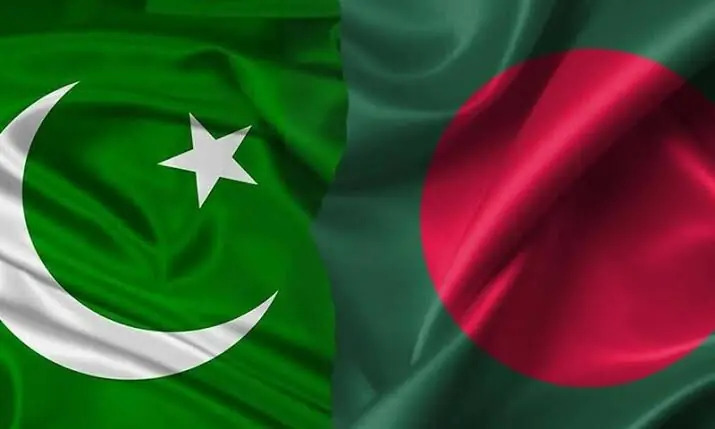
The Core Development
For fifty-four years, the trajectory of Bangladesh's foreign policy was inextricably linked to New Delhi. Rooted in the events of 1971, successive administrations—most notably the prolonged tenure of the Awami League under former Prime Minister Sheikh Hasina—fostered a deep bilateral relationship. This alignment manifested in deep institutional ties: Bangladeshi bureaucrats routinely trained in Indian administrative academies, security apparatuses coordinated closely on intelligence and border management, and critical trade logistics naturally gravitated toward Indian ports and transit networks.
However, this strategic proximity increasingly drew domestic criticism, with critics characterizing the arrangement as overly lopsided. The structural status quo was shattered in August 2024, when a massive, student-led uprising unseated the established government, creating an immediate political vacuum and a mandate for a thorough review of national sovereignty and external relations. Interim leadership and emerging political forces quickly signaled a departure from a singular foreign policy axis, seeking a more balanced, multi-vector diplomatic approach that engages regional and global powers on equal footing.
Commercial & Economic Implications
For Pakistan and the broader South Asian economic ecosystem, Dhaka's strategic recalibration introduces both opportunities and structural shifts in regional trade dynamics. Historically, commercial exchanges between Pakistan and Bangladesh faced logistical bottlenecks, restrictive visa regimes, and political friction, forcing trade through third-country ports and inflating transaction costs for wholesale distributors and retail importers.
As Bangladesh diversifies its diplomatic and economic partnerships, potential policy adjustments could streamline direct maritime routes and air cargo corridors between Karachi, Port Qasim, and Chattogram. Such improvements would directly lower shipping overheads for textile inputs, raw cotton, and agricultural commodities, easing inflationary pressures on domestic supply chains. Retail markets and industrial sectors dependent on regional trade are closely monitoring potential bilateral trade agreements that could liberalize tariff structures and foster competitive wholesale pricing across both nations.
Related Intelligence: Athens Explosion Triggers Security Review and Trade Route Scrutiny
Stakeholder Perspectives & Market Reactions
Business councils, trader associations, and industry bodies across the region have responded to Bangladesh's policy pivot with cautious optimism tempered by pragmatic assessment. Exporters in Pakistan's textile and manufacturing sectors view the political transition as an opening to revitalize bilateral commerce that has remained underutilized for decades. Chamber of commerce representatives emphasize the necessity of modernizing banking channels, resolving letter-of-credit hurdles, and establishing direct shipping links to capitalize on Dhaka's newly independent foreign posture.
Concurrently, regional policy analysts caution that structural economic integration will require time, careful diplomacy, and bureaucratic reform. Legal and trade experts note that while political will for diversification is high in Dhaka, translating diplomatic realignment into durable commercial frameworks necessitates robust bilateral treaties and investor protection guarantees.
Forward Outlook & Key Watchpoints
In the coming months, market participants and economic observers will closely monitor several key indicators to gauge the trajectory of Bangladesh's foreign policy and its economic fallout. Primary watchpoints include bilateral trade delegations between Islamabad and Dhaka, potential revisions to regional tariff agreements, and the operationalization of direct shipping and logistics corridors.
Additionally, the stability of Bangladesh's interim administration and its roadmap toward general elections will dictate the long-term institutionalization of this foreign policy shift. For Pakistani businesses, maintaining strategic agility and establishing early commercial contacts will be critical to leveraging emerging opportunities in a newly multipolar South Asian market.
Join Our Official WhatsApp Channel
Receive live commodity alerts, policy changes, and commercial intelligence directly on WhatsApp.